tech
How to Guess If Your Job Will Exist in Five Years
Will my job even exist in five years? Following the rise of Claude Code and ChatGPT, pretty much every white-collar worker I know has been asking themselves that question. AI can code like an engineer, write a business plan like a consultant, decorate like an interior designer, and answer medical questions better than a doctor. It can make up a shockingly catchy and shockingly filthy country tune, and croon it in a voice drenched in Tennessee whiskey. The realization that America might not need so many engineers, consultants, interior designers, doctors, and country singers in the future naturally follows. Searches for the phrase job apocalypse are spiking. Polls show that voters are beginning to freak out.
TL;DR
- AI's capabilities in coding, writing, design, and medicine are raising concerns about job displacement for white-collar workers.
- Historical precedent shows humans adapt to technological change, transforming their roles rather than becoming obsolete, unlike horses replaced by machines.
- The Jevons paradox suggests that technological efficiency gains can paradoxically lead to increased demand for resources, including human labor in new capacities.
- While some jobs may be automated, others like home health aides remain unaffected, and regulatory hurdles can slow AI's impact.
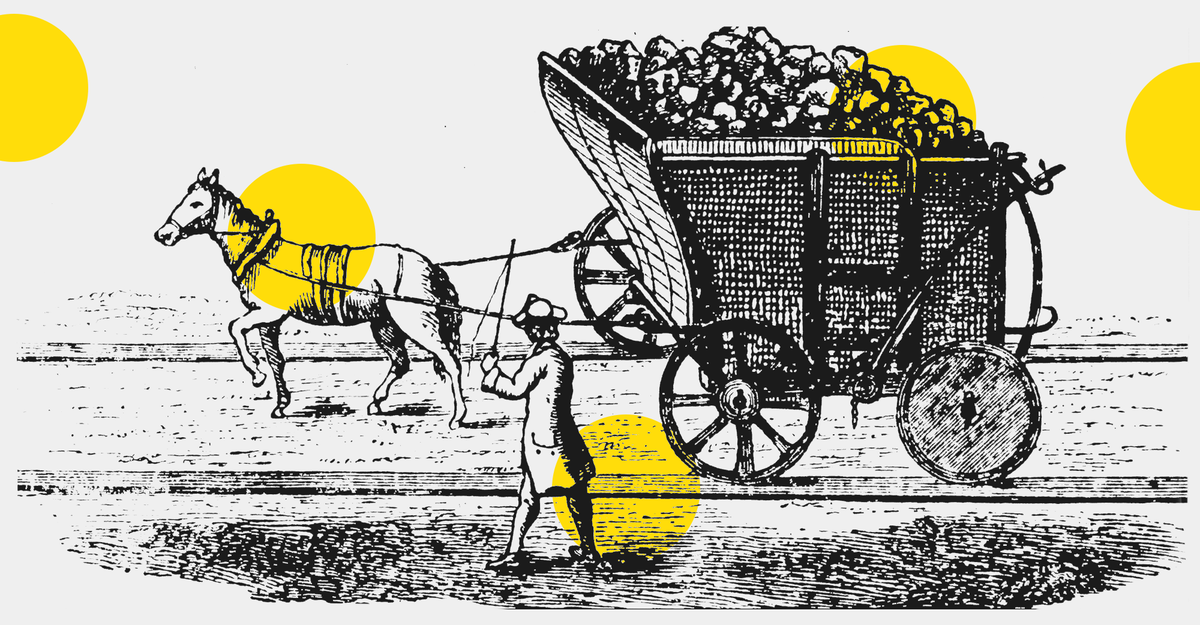
- Coal's historical importance as an energy source eventually waned with the advent of petroleum, indicating that even critical resources can be supplanted.
- The article questions whether humans will be like horses (replaced) or coal (indispensable resource) in the face of AI advancements.