economy
Less immigration leads to slower population growth, especially in cities
A drop in immigration is slowing U.S. population growth, with cities seeing the biggest impacts as the South continued to lead the nation in gains, according to new U.S. Census Bureau estimates released Thursday.
TL;DR
- U.S. population growth slowed significantly from 1.1% to 0.6% between July 2024 and July 2025.
- A decline in net international migration is the primary driver of this slowdown.
- Metro areas, especially large urban counties, experienced weaker growth and noticeable population declines.
- Cities along the Mexican border like Laredo, Yuma, and El Centro saw the steepest percentage-point declines in population growth rates.
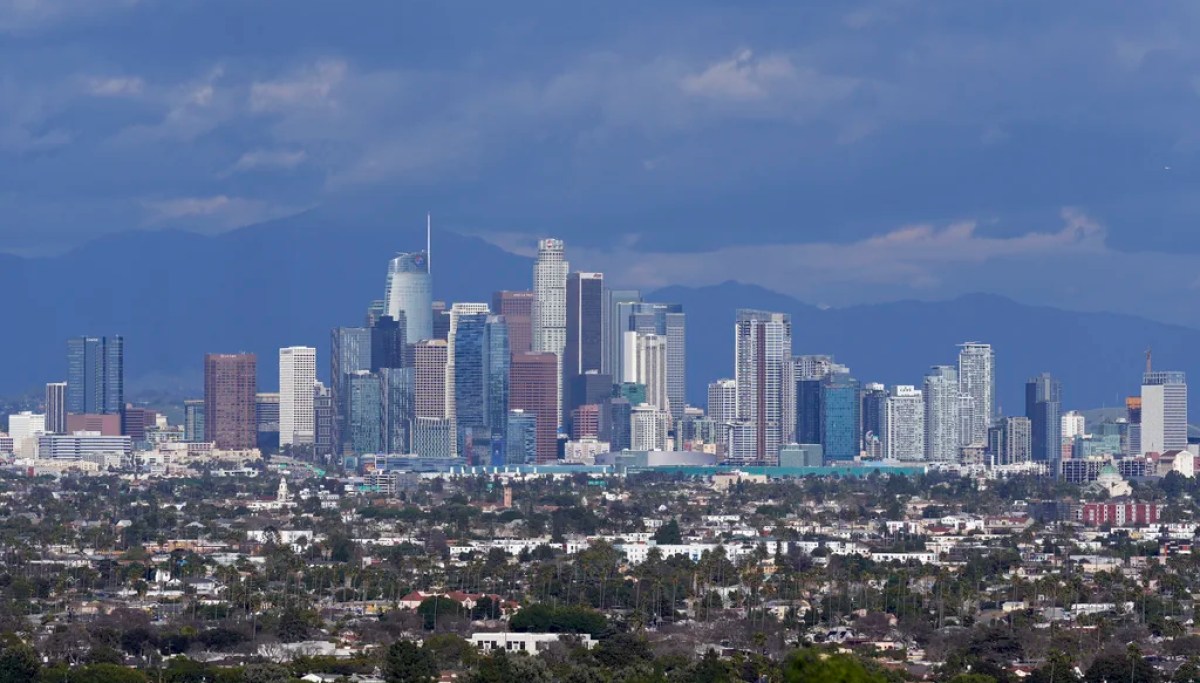
- Los Angeles experienced the greatest population decline, with New York also in the top 10.
- Pinellas County, Florida, was also significantly impacted, partly due to hurricanes.
- The South continued to lead the nation in population gains, with Florida, Georgia, and the Carolinas being key states.
- Fastest-growing metro areas included Houston, Dallas-Fort Worth, Atlanta, Phoenix, and Charlotte.
- The decline in migration coincides with the Trump administration's intensified efforts to curb immigration.
- Immigration plays a critical role in offsetting the U.S.'s low birth rate and aging population.
- Growth outside the South was uneven, with some Midwest and Northeast areas seeing slower gains or declines.
- Smaller and mid-sized metro areas are often outpacing larger cities due to domestic migration trends.