health
Making earwax melt and teeth rattle: the project returning music to our bodies
Listeners in the 17th and 18th centuries experienced music in a startlingly vivid – and physical – way. A fascinating academic project is wondering if we should let ourselves be much more moved, and get moving. Plus: a prime minister’s musical legacy?
TL;DR
- Modern classical music audiences are often expected to remain still and silent, suppressing natural physical and emotional responses.
- Historical accounts from the 17th and 18th centuries describe listeners experiencing music with profound physical and emotional intensity.
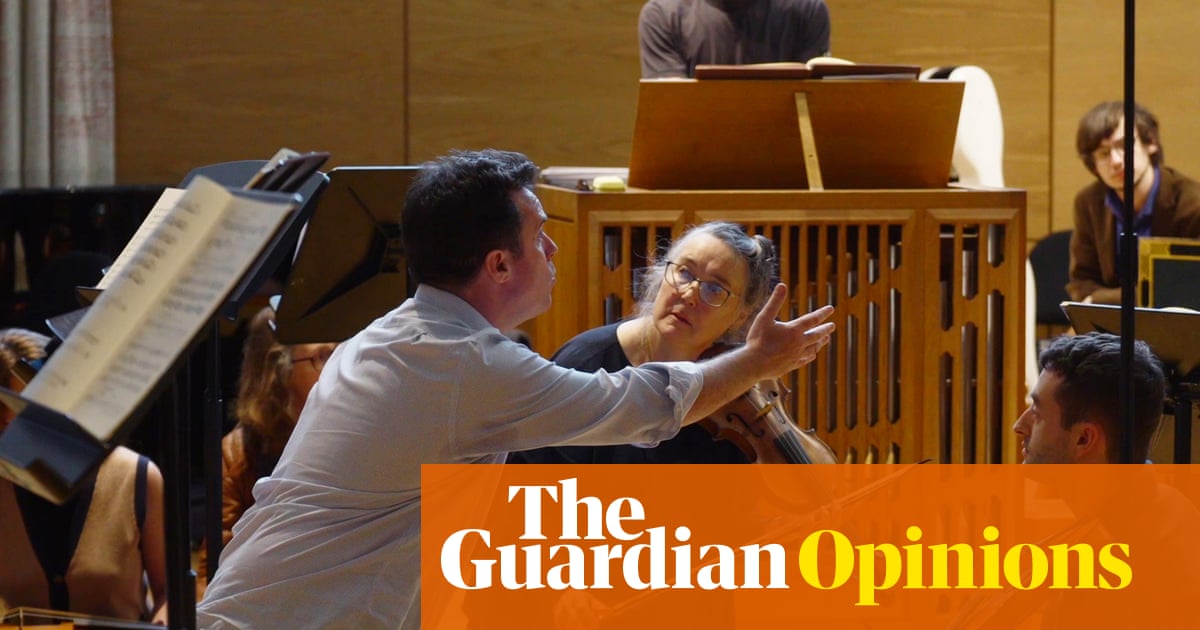
- A workshop focused on Bach's St John Passion encouraged performers to engage physically and emotionally with the music, leading to intense and connected experiences.
- The trend towards silence and stillness in classical music audiences began in the 19th century, potentially diminishing the impact of musical works.
- There is a desire to reintroduce embodied listening, where performers and audiences physically and emotionally engage with music, as a norm in the classical music world.
- Keir Starmer's appreciation for music education and composers like Shostakovich and Beethoven is noted, with hope that his successor will champion music education.
- The Orsino Ensemble's album of late-19th and early 20th-century French wind and piano music is recommended listening.