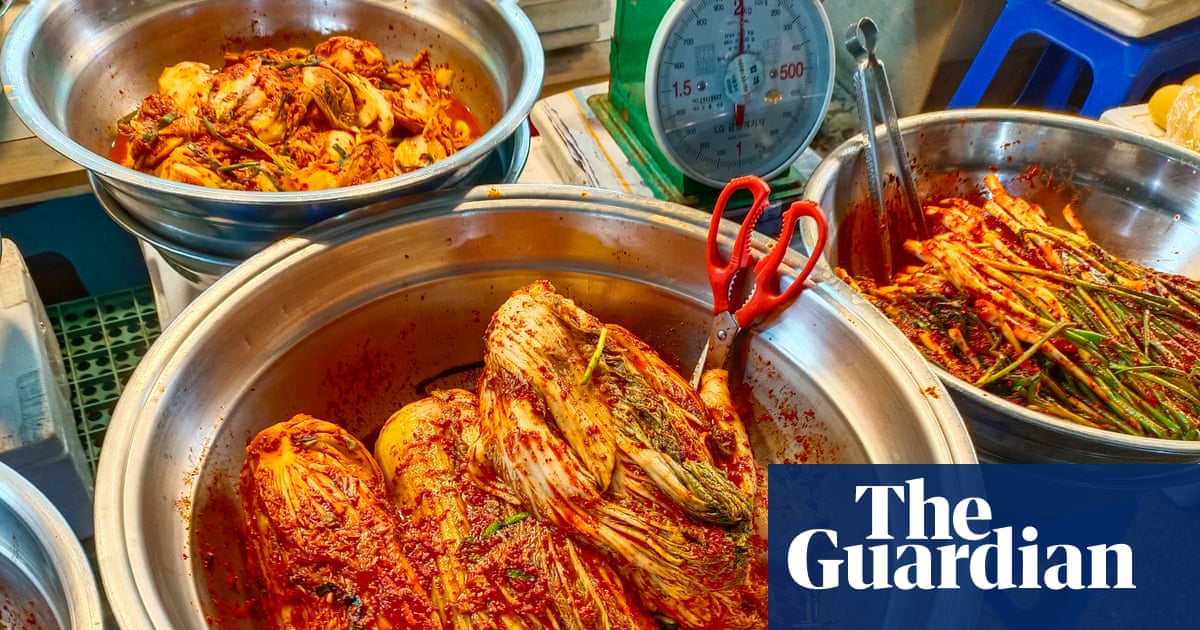
Kimchi, made in China: how South Korea’s national dish is being priced out at home
In the first 10 months of this year, South Korea imported $159m worth of kimchi, almost entirely from China, while exporting $137m
TL;DR
- South Korea is importing more kimchi than it exports, with cheaper Chinese products dominating the domestic market.
- Chinese kimchi sells for more than half the price of Korean-made kimchi, forcing local restaurants to switch to imports.
- Changing demographics, such as the rise in single-person households, have led to decreased home production and increased reliance on commercially produced kimchi.
- Climate change is disrupting cabbage farming, a key ingredient, leading to volatile price increases.
- The majority of South Korean kimchi manufacturers are small businesses that struggle to compete with China's industrial-scale production.
- Industry initiatives include voucher schemes to encourage restaurants to use Korean kimchi and petitions for increased scrutiny of import prices.
- The South Korean government is implementing measures to support the kimchi industry, including voluntary labeling, agricultural support, and research for extended shelf life.