When north and south winds collide, torrential rain falls in south-east Asia
The monsoon season is crucial for agriculture, making up 80% of annual rainfall, but also extremely destructive
TL;DR
- Monsoons are a pattern of wind and rainfall, with the name originating from the Arabic word for “season”.
- They are sometimes compared to a sea breeze where wind direction reverses due to temperature changes between land and sea.
- Meteorologists define monsoons by the seasonal movement of the intertropical convergence zone (ITCZ).
- Warm, moist air from tropical oceans evaporates, is carried over land by monsoon winds, rises, condenses, and falls as rain, forming cumulonimbus storm clouds.
- When the ITCZ is stationary, areas experience heavy storms, which are vital for agriculture, providing up to 80% of annual rainfall.
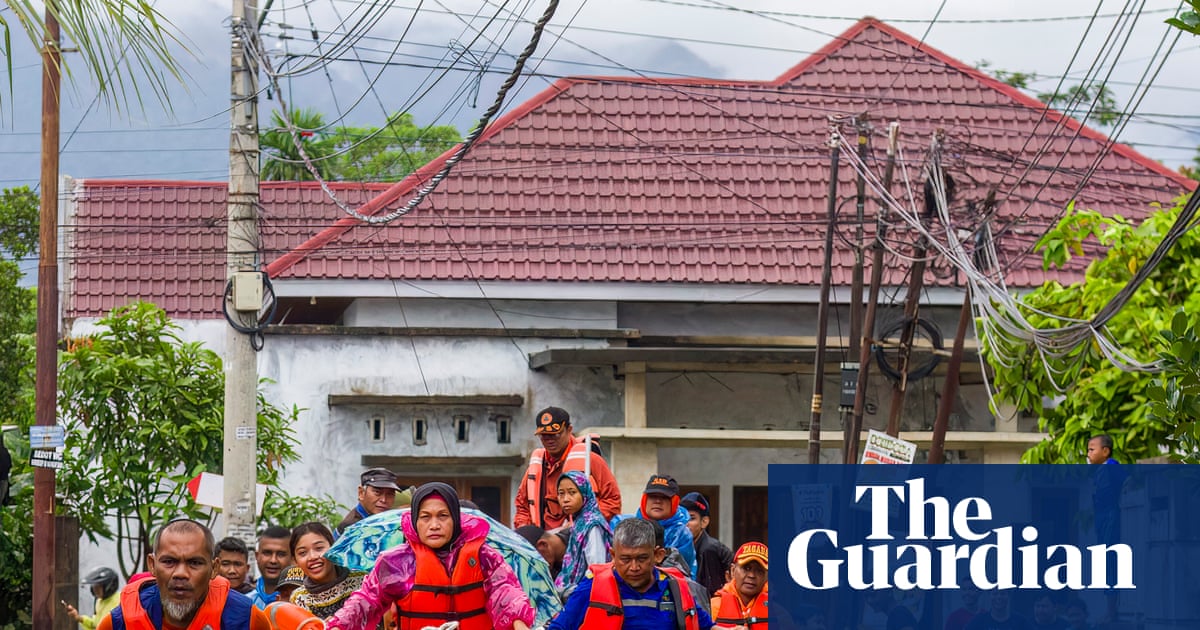
- Monsoons can also be destructive, leading to widespread flooding.
- Europe's rainfall is more evenly distributed, lacking the distinct wet and dry monsoon seasons and epic thunderstorms.