health
As Ebola kills thousands in DRC, a perfect storm is making the virus hard to stop
New species and regional instability are factors – but decisions made in the US and Britain are also costing lives
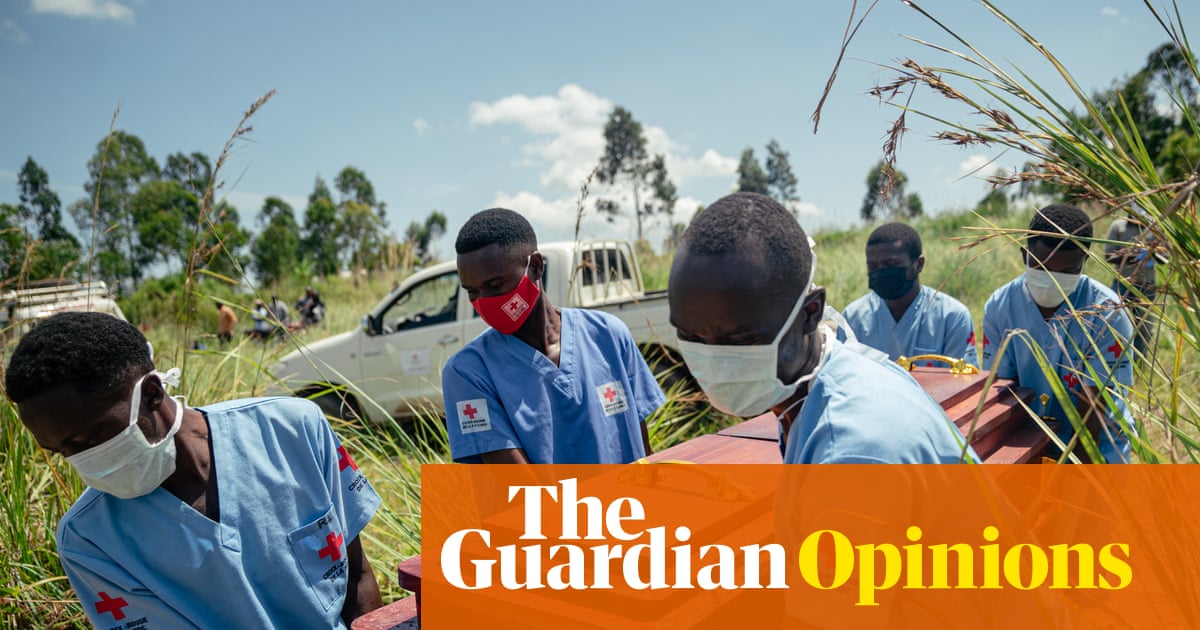
TL;DR
- The Democratic Republic of the Congo is facing its second-deadliest Ebola outbreak in history, with rapid community transmission.
- The outbreak involves a new Ebola species, Bundibugyo, for which no effective vaccine or antiviral is available.
- Factors hindering containment include rapid community spread, high numbers of cases and deaths occurring outside health facilities, and a significant proportion of cases among children.
- Maternal deaths have doubled in the worst-hit province due to disruptions in routine health services and Ebola's impact on pregnancy.
- Regional instability, including militias and conflict in Ituri province, complicates response efforts.
- Reduced global engagement from countries like the US and UK, including cuts to foreign aid and multilateral cooperation, has weakened international response capabilities.
- Research is underway for a Bundibugyo vaccine and antiviral therapies, with human trials beginning.
- Social science research is crucial to build trust in public health campaigns within communities, considering historical distrust of external interventions.