health
‘A mouse can’t tell us what works’: UK scientists to grow miniature human organs for drug testing
Organoids and tissues grown from human cells promise more accurate results, with £20m Cambridge project to create standardised models
TL;DR
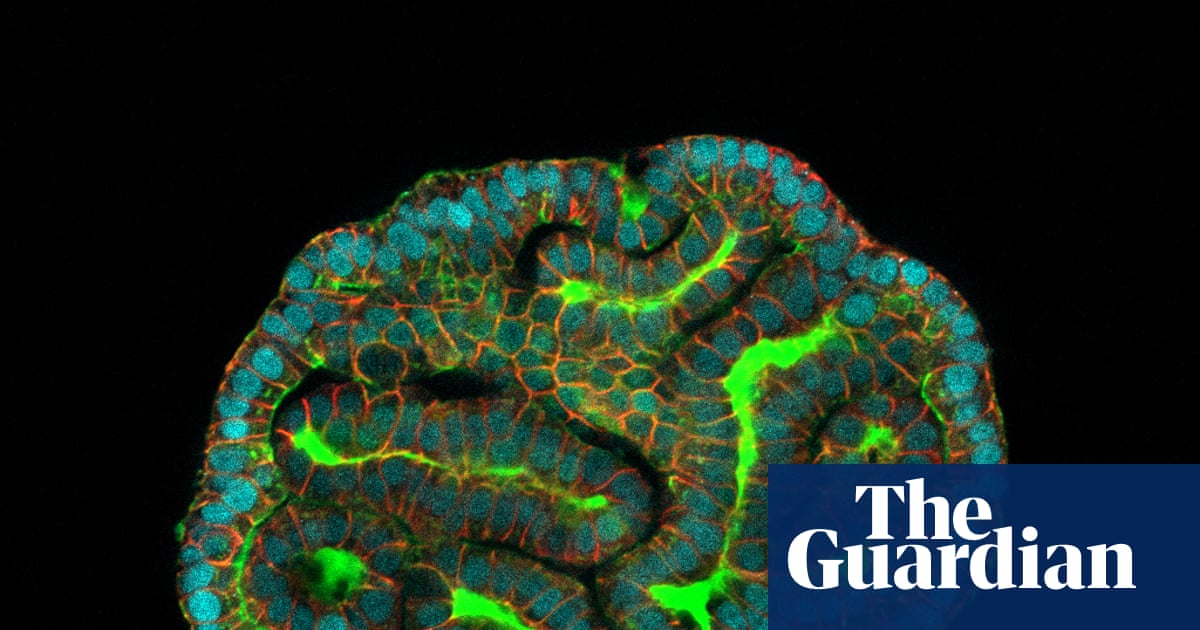
- Miniature human organs and tissues (organoids) will be grown from NHS patients' cells for drug testing.
- This initiative aims to improve medicine testing accuracy and reduce the number of animals used in drug development.
- The project, based in Cambridge and funded with £20m, will create a library of standardized, validated organoids.
- Organoids mirror key features of full-scale organs, including how they respond to disease and drugs.
- Historically, over 90% of drugs that pass animal testing fail in human trials.
- The strategy incorporates 'new approach methodologies' (Nams) like organoids, organ-on-a-chip systems, and AI.
- The focus will initially be on organoids for inflammatory bowel diseases, cancer, and neurological conditions.
- Additional funding of £2m supports projects reducing the use of animals in safety tests.