economy
The case for Trump's tariffs doesn't survive contact with the facts
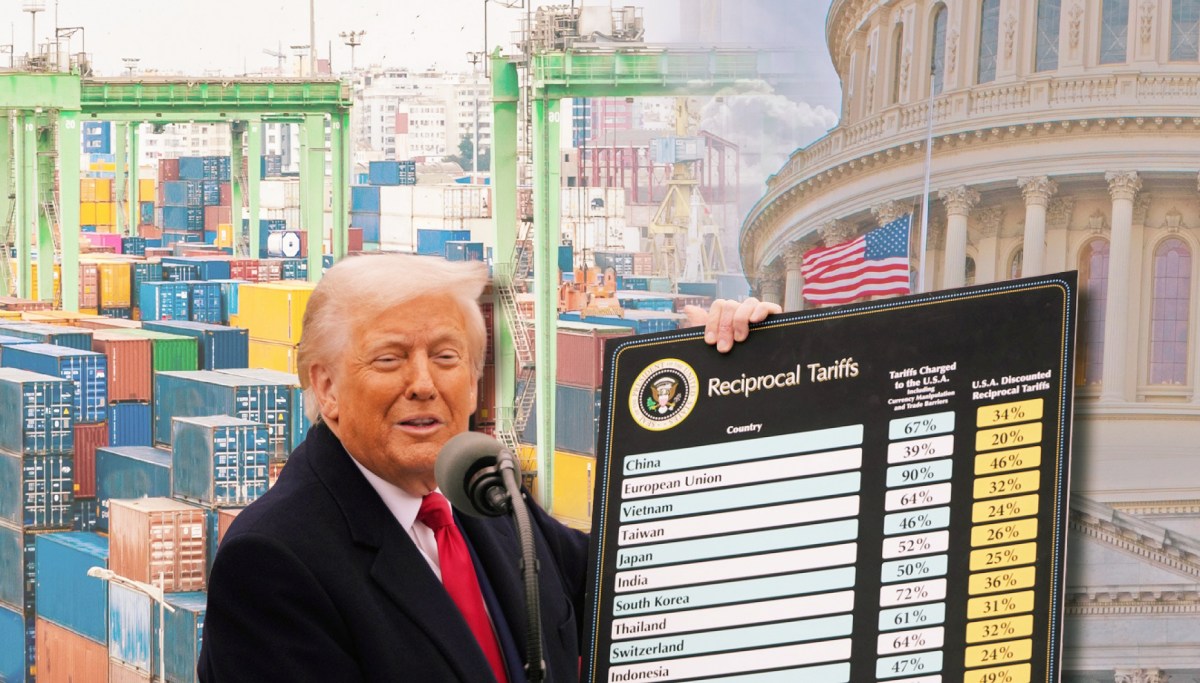
Peter St. Onge’s May 11 essay “How Trump’s tariffs can paradoxically raise economic freedom” is a case study in wishcasting. It imagines a world in which President Donald Trump wielded strategic tariffs to pressure other countries to open their markets to the United States.
TL;DR
- The article refutes claims that Trump's tariffs led to increased manufacturing jobs and output, citing declining employment and stagnant output.
- It states that tariffs on U.S. manufacturers' inputs make them less competitive and that the trade deficit has increased.
- The article disputes claims of significant incoming investment and reduced trade barriers in foreign markets, suggesting these are exaggerated or misrepresented.
- It contrasts Trump's tariff policies with those of Ronald Reagan, arguing Trump's approach is more akin to William McKinley's, viewing tariffs as a permanent fixture rather than a temporary tool.
- The author contends that tariffs are taxes that create economic headwinds, counteracting any benefits from tax cuts or deregulation.