health
US garbage incinerators are failing to eliminate ‘forever chemical’ air pollution, experts warn
The virtually indestructible Pfas waste puts largely low-income neighborhoods at risk, public health advocates say
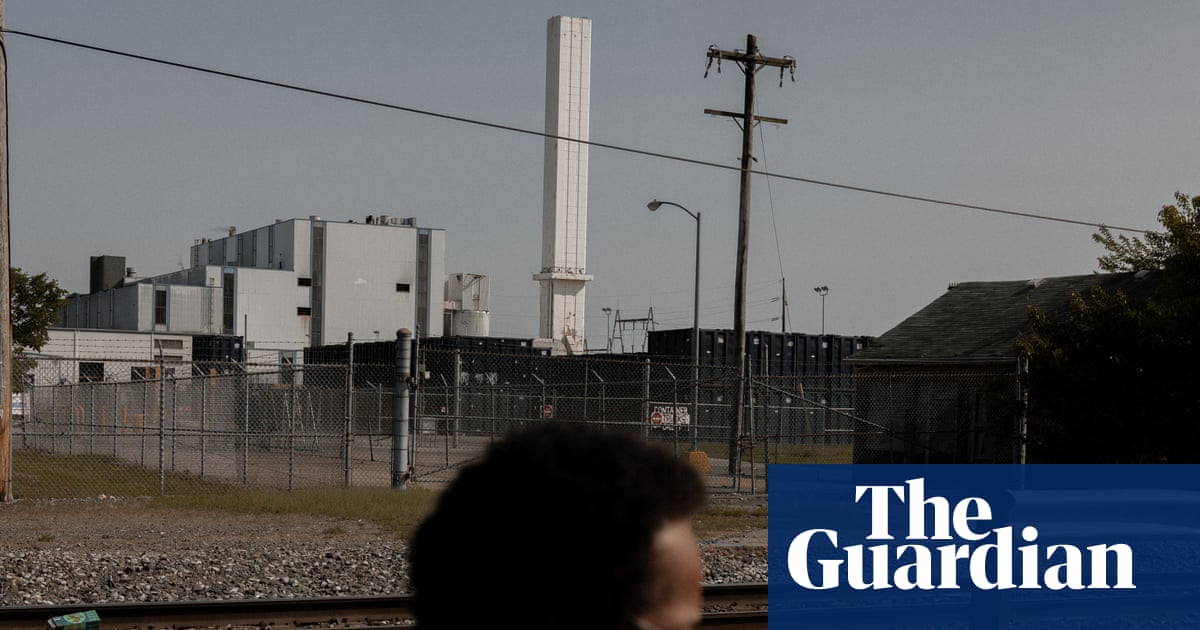
TL;DR
- Nation's garbage incinerators are failing to eliminate Pfas 'forever chemicals' air pollution, posing risks to communities, particularly low-income ones.
- An industry report claims Minnesota's incinerators reduce Pfas emissions by 99.6%, but critics call the report flawed with bad assumptions and incomplete data.
- Pfas are linked to serious health problems and are difficult to destroy industrially; advocates argue incineration releases them into the air or creates toxic by-products.
- Experts and advocates question the effectiveness of incineration technology for Pfas destruction, citing insufficient data and scientific consensus on required destruction temperatures.
- The Environmental Protection Agency (EPA) has expressed low confidence in incineration technology's ability to control Pfas releases.
- Critics accuse the waste management industry of deception to head off new regulations and perpetuating environmental injustice.
- Current advisory air standards in Minnesota may be too low, with some detected levels exceeding EPA drinking water limits by up to 17 times when translated to air.