economy
Hormuz oil crisis puts rotten fruits of 'green' policies on display
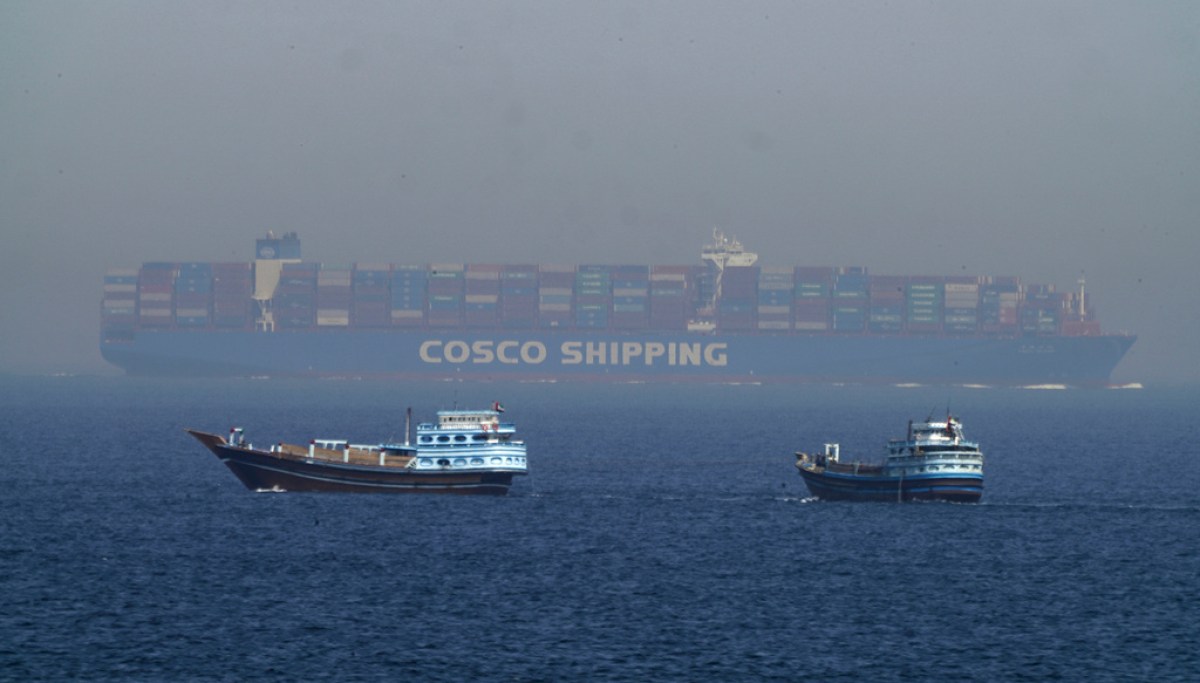
In the volatile waters of the Strait of Hormuz, maritime traffic has slowed to an agonizing crawl. Roughly a fifth of global oil trade passes through this narrow passage. Nearly half of the crude oil headed toward Asia must cross these waters.
TL;DR
- Maritime traffic in the Strait of Hormuz, crucial for global oil trade, has significantly slowed due to escalating conflicts.
- A decade of 'net zero' policies has led Western nations to dismantle domestic energy production, increasing reliance on volatile foreign energy imports.
- Countries like Germany and the UK have reduced domestic oil, gas, and nuclear production, leading to greater dependence on suppliers like those reliant on the Strait of Hormuz.
- The disruption is particularly impactful for Southeast and Northeast Asia, where nearly half of crude oil destined for the region passes through the strait.
- South Korea's stock market experienced a significant crash amid the escalating Middle East conflict, illustrating the immediate financial repercussions of energy insecurity.
- The article argues for increased dispatchable generation capacity, diversified energy suppliers, and investment in fossil fuels as necessary measures to counter geopolitical shocks.
- The author criticizes the 'green delusion' and claims that investment firms are abandoning net-zero agendas due to poor financial returns.
- The crisis is presented as an opportunity for the U.S. to support allies through long-term LNG contracts and financing for energy projects in developing countries.