health
Deadly Nepal flood highlights glacier risks in warming Himalayas: "The new normal"
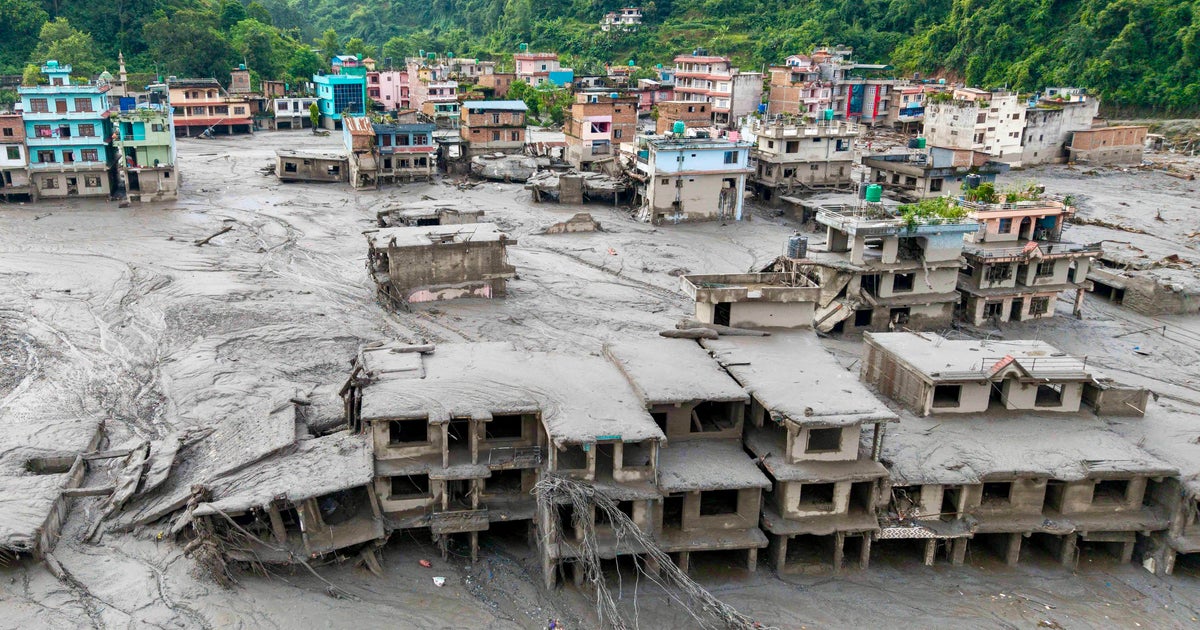
The deadly flash flood in Nepal on Wednesday was likely caused by a huge chunk of a glacier that broke off and temporarily dammed a river, according to preliminary investigations by scientists. That may have led to the backed-up water surging downstream with enormous force a few hours later, they suggested.
TL;DR
- Hundreds of people have died and over a thousand are missing following a deadly flash flood in Nepal.
- Preliminary investigations suggest the flood was caused by a large chunk of a glacier breaking off and temporarily damming a river.
- The U.S. Geological Survey reported a magnitude 5.2 glacier collapse, based on seismic data and satellite imagery.
- Scientists are cautious about directly linking the event to climate change but acknowledge that rising global temperatures increase disaster risks in the Himalayas.
- The Hindu Kush Himalaya region is warming faster than many other parts of the world, causing glaciers to melt at an accelerating rate.
- The flood caused significant damage to infrastructure, including hydropower dams, roads, buildings, and bridges.
- Water levels rose dramatically and rapidly, giving people little time to escape.
- The area has a history of destructive hazards, including previous floods and avalanches.
- Melting glaciers can enlarge glacial lakes, increasing flood potential, and thawing permafrost weakens slopes.
- Experts emphasize the need for stronger early warning systems, better monitoring, and faster cross-border information sharing.
- The long-term impacts of rapid glacial melt in the Himalayas could affect billions globally through mass migration and sea-level rise.