economy
Iran Had a Doomsday Weapon All Along
Control of a vital waterway gives Tehran the deterrence power it’s always wanted.
TL;DR
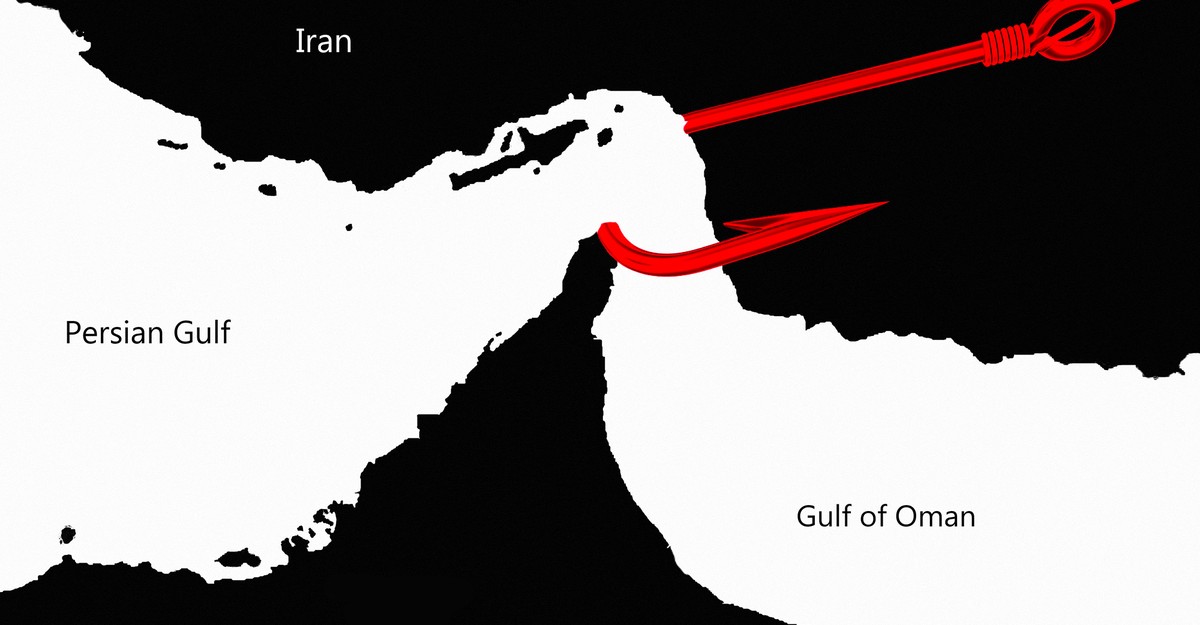
- The conflict initiated by President Trump against Iran's nuclear program led Iran to discover the Strait of Hormuz as a potent economic weapon.
- Approximately 80 percent of the global economy relies on fossil fuels, with about 25 percent of global seaborne oil trade and 20 percent of global liquified natural gas transiting the Strait of Hormuz.
- Despite Iran's conventional naval forces being decimated, it was able to close the strait by threatening ships with mines, missiles, and drones, causing marine-insurance markets to cease coverage or impose prohibitive rates.
- Reopening and keeping the strait open is difficult, potentially requiring significant U.S. resources and risking further conflict.
- Iran's strategic deterrence has shifted from missiles and proxies to controlling the Strait of Hormuz, gambling that it can endure more short-term pain than its adversaries.
- Iran is also seeking to monetize the strait by imposing tolls on friendly ships, payable in cryptocurrency or Chinese yuan, while blocking unfriendly vessels.
- The economic impact of a closed strait includes inflation, reduced growth, and disruptions to the supply of essential goods like nitrogen fertilizer, sulfur, and helium.
- While Iran has indicated the strait could be open for commercial ships during a ceasefire, its past performance suggests uncertainty, and it is unlikely to relinquish control long-term.
- Control of the Strait of Hormuz offers Iran a means to stave off future aggression and exert significant influence.