economy
The Hormuz War Will End
And when it does, a rare window for bold collective action will open.
TL;DR
- The near-closure of the Strait of Hormuz has created the worst energy crisis in history, removing millions of barrels of oil and significant amounts of natural gas from global markets.
- This crisis impacts not only fuel but also essential products like fertilizers, petrochemical feedstocks, and materials for semiconductors and medical equipment.
- Nations are already implementing energy conservation measures like four-day workweeks and reducing industrial capacity due to scarcity, not just unaffordability.
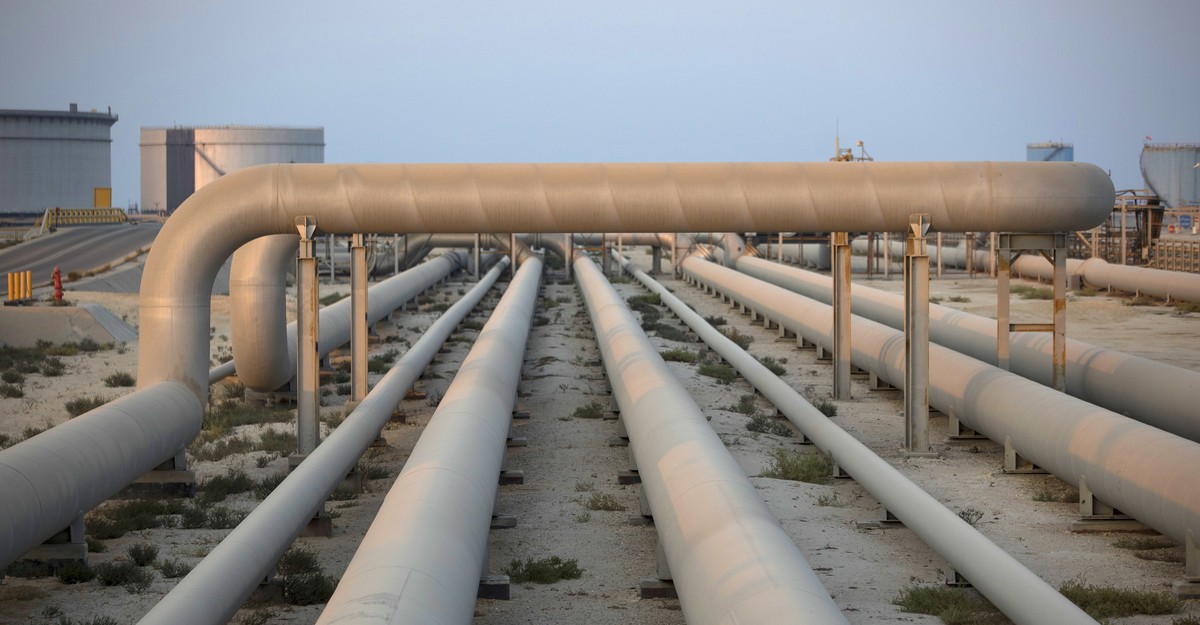
- Military or diplomatic solutions are inadequate; the only long-term solution requires significant international investment in new energy infrastructure that bypasses the Strait of Hormuz.
- Existing bypass pipelines like Saudi Arabia's Petroline and the UAE's ADCOP need expansion, and new corridors are required for producers currently exposed to Hormuz.
- The U.S. should lead a global effort to finance and build this new infrastructure, involving Gulf States, energy consumers, development banks, and private capital.
- Investing in fossil fuel infrastructure does not conflict with the clean-energy transition, as fossil fuels remain essential for many industries and energy demand continues to grow.
- Past infrastructure investments, like the Southern Gas Corridor and LNG terminals, proved crucial in mitigating crises, demonstrating the value of foresight.