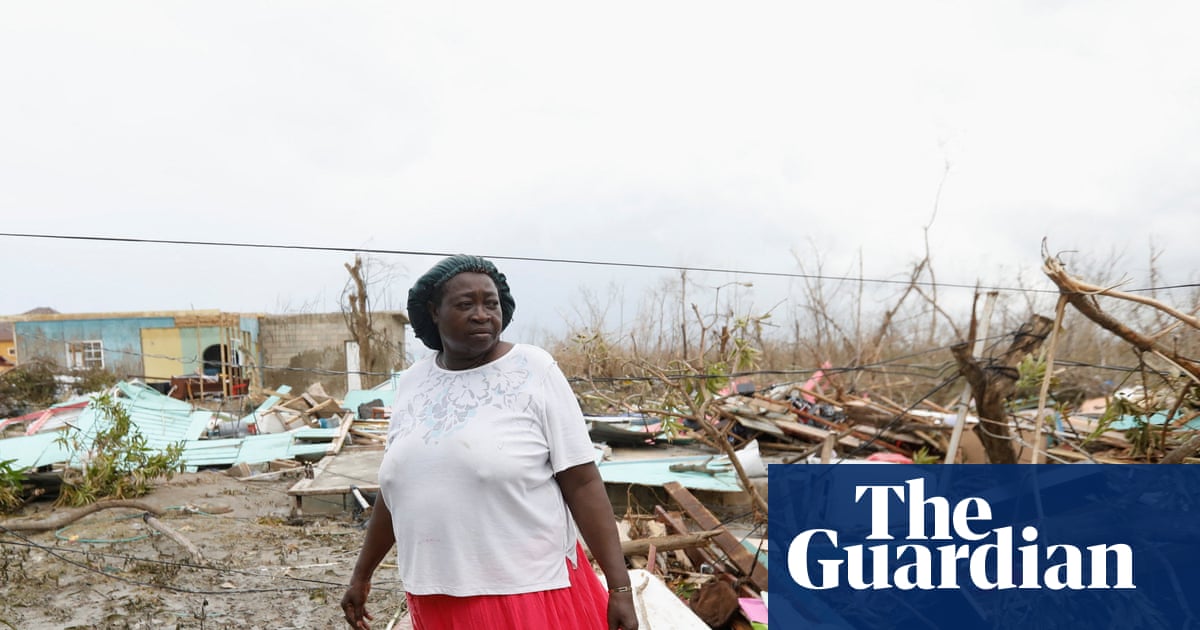
The trauma after the storm: Hurricane Melissa leaves trail of emotional devastation across Jamaica
Experts are calling for the integration of mental health into climate-disaster policy in the Caribbean as studies show that PTSD risks increase after hurricanes and displacement
TL;DR
- Hurricane Melissa caused extensive damage in Jamaica, resulting in deaths and affecting 1.5 million people.
- Survivors are experiencing long-term psychological trauma, with everyday sounds like rain or the sound of a hospital trolley triggering distressing memories.
- Financial aid packages for reconstruction are in place, but experts warn they cannot cover the widespread mental health costs, including PTSD, depression, and anxiety.
- Researchers emphasize that prolonged displacement, loss of livelihoods, and inadequate services worsen mental health risks after climate-related disasters.
- There is a call for the integration of mental health into climate-disaster policy across Caribbean small island developing states.
- Studies indicate that women report higher mental distress than men after disasters, suggesting greater psychological vulnerability.
- Community support is highlighted as more responsive and crucial than government assistance in disaster recovery, strengthening resilience.
- International organizations like the WHO, PAHO, and the Caribbean Development Bank are increasing their focus on mental health support in the context of the climate crisis.
- Financial resources and well-funded recovery efforts are critical to prevent prolonged suffering and allow communities to rebuild both physically and psychologically.
- Building climate-resilient infrastructure is seen as essential to reduce loss of life and possessions, thereby providing a better chance for mental and psychosocial stability.