economy
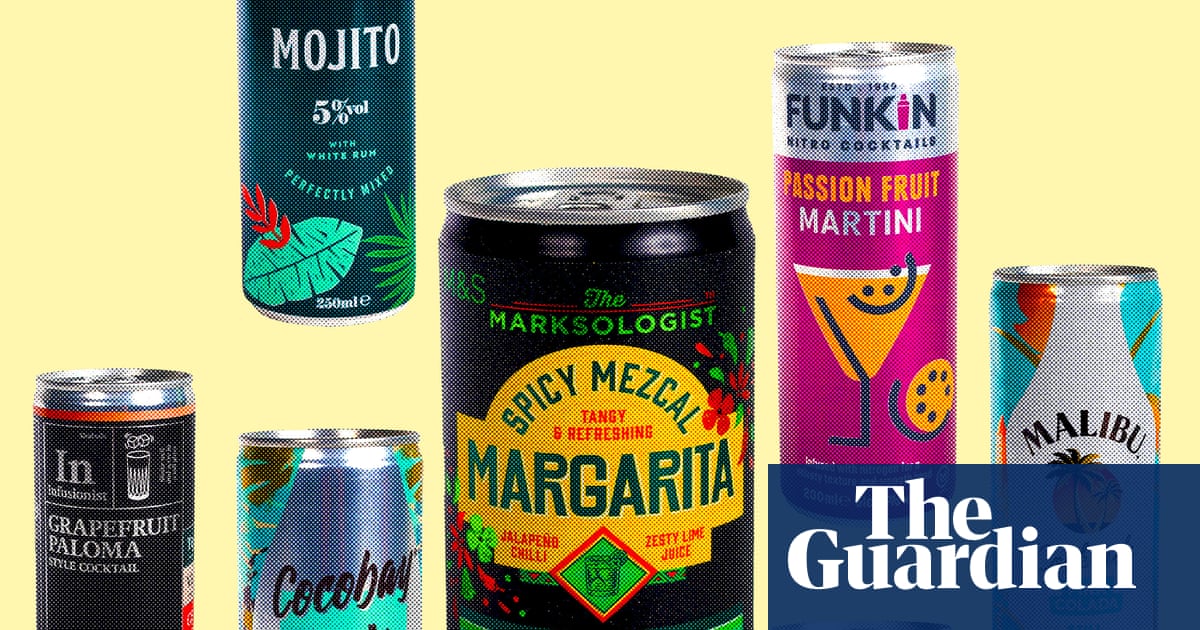
The great tinification: how Britain fell in love with canned cocktails
Forty years since Marks & Spencer started selling cans of gin and tonic, every supermarket and corner shop is full of ready-mixed mojitos, margaritas and negronis. Why are these so acceptable, given the moral panic over alcopops?
TL;DR
- Canned cocktails have become ubiquitous in British supermarkets and shops, forty years after their initial introduction.
- Their popularity has grown significantly, with sales volumes tripling between 2020 and last year.
- Marketing and packaging contribute to an aspirational image, making them seem sophisticated and socially acceptable.
- Despite the rise of canned cocktails, youth drinking rates have declined, with millennials and Gen Z (over 21) being significant consumers.
- Canned cocktails offer a financial advantage over bar-purchased drinks and are seen as a convenient, accessible treat.
- The social perception of canned cocktails differs from past moral panics surrounding alcopops, with a shift towards viewing them as less threatening.
- While convenient and affordable, many canned cocktails have high alcohol content, often exceeding that of beer.
- The history of canned drinks and cocktails is linked to innovations in food preservation and cultural trends, including political motivations in some cases.