economy
The Reason Trump May Pull Back From the Brink
The president is discovering the high stakes of an escalation that damages energy facilities.
TL;DR
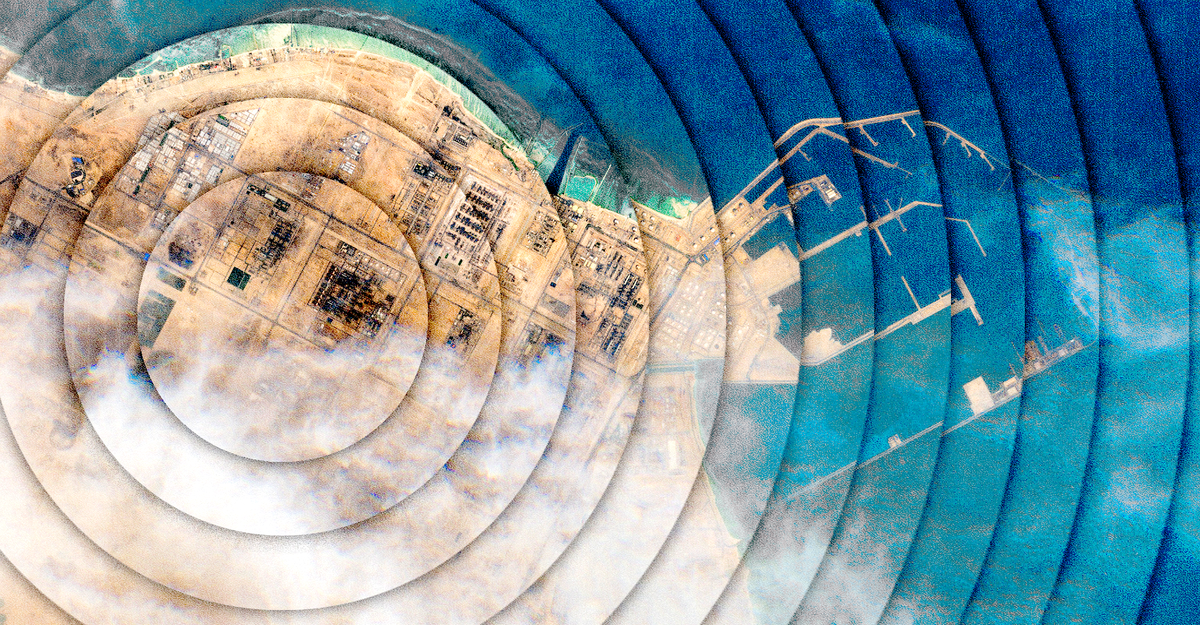
- An Iranian missile attack on Qatar's Ras Laffan industrial facility, a response to an Israeli strike on a shared natural gas field, has significantly impacted global energy markets.
- The attack reduced Qatar's LNG export capacity by 17%, projected to cause $20 billion in annual revenue loss, with repairs estimated to take three to five years.
- Qatar declared force majeure with customers and stopped LNG production for the first time in its history, removing about a fifth of the world's LNG supply.
- The disruption could upend Qatar's economy and revert global LNG supply to 2021 levels if facilities remain offline.
- President Trump's reaction involved threats against Iran, but also claims of progress in negotiations, possibly influenced by the realization of Iran's capability to cause an energy crisis.
- The head of the International Energy Agency warned of a major threat to the global economy, comparing the oil supply loss to the 1970s crises and the natural gas shock to Russia's invasion of Ukraine.
- Countries like Sri Lanka, Pakistan, and the Philippines have implemented work reductions to conserve electricity and gasoline due to shortages.
- The attack's implications extend beyond energy, threatening a global food crisis due to halted urea shipments and disrupting the supply of helium needed for chip manufacturing and medical equipment.
- The shared natural gas field links Iran and Qatar, complicating their relationship, especially after Qatar's previous blockade by regional rivals.
- Qatar has expelled Iranian diplomats and is expected to increase military spending on defense systems and hardware.
- Qatar is seeking clearer security discussions with the U.S. and Europe to re-establish deterrence.
- Doha is pressing both Iran and the U.S. for a ceasefire, emphasizing the widespread harm caused by the prolonged conflict.