Love & Fury: How Poster Artists Responded to the Aids Crisis
A new exhibition at New York’s Poster House explores how graphic design helped to define the city’s response to Aids from the late 1970s to the 2000s.
TL;DR
- The 1970s saw a thriving bathhouse culture in the US, emphasizing sex positivity.
- Gay Men's Health Crisis organized early major Aids fundraisers, collaborating with entertainment brands.
- Posters emerged advocating for safe sex practices, adapting public health pamphlets.
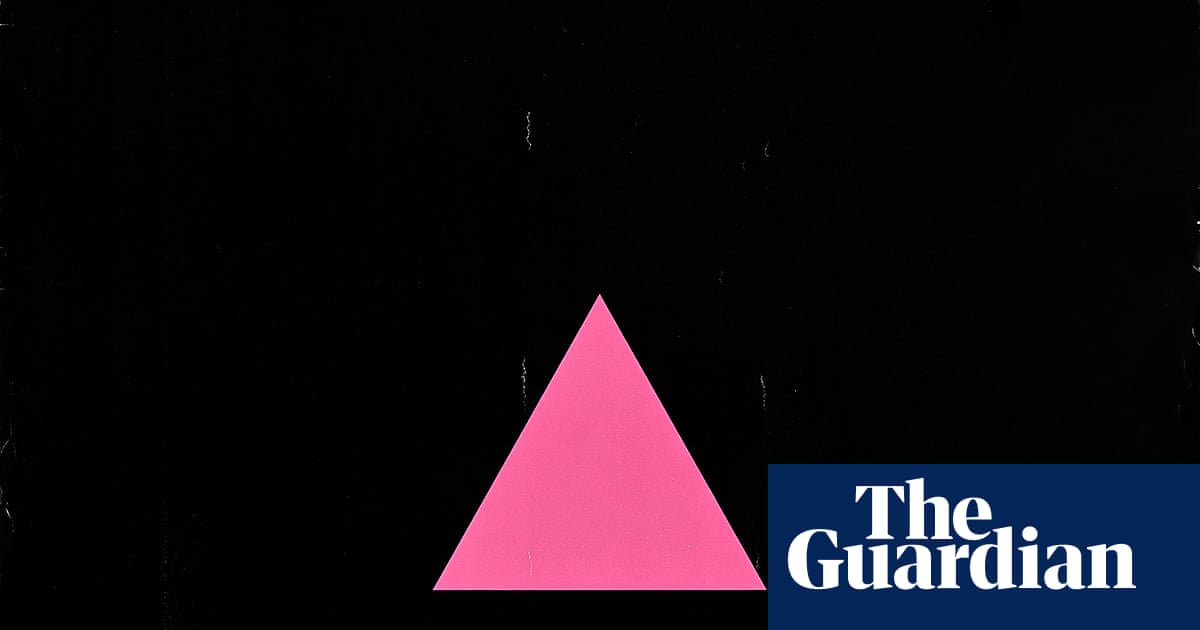
- The Silence=Death Project reclaimed the pink triangle as a symbol of resistance against the Aids epidemic.
- Activists used posters to critique government inaction and promote safe sex as a 'hot accessory'.
- The shift in federal messaging in the early 90s focused on education, though criticized for downplaying risk groups.
- Nightlife events like Sleaze Ball in 1992 defied the ongoing epidemic and raised funds for gay causes.
- Fashion designers united in 1996 through American Vogue to support GMHC.
- Aids Walk New York continued to fundraise and raise awareness, emphasizing the epidemic was not over despite medication advancements.