tech
Music’s Next ‘Disco Sucks’ Moment Is Near
Do you really like that new song—or is someone manipulating you?
TL;DR
- Marketing firms are using 'trend simulation' to artificially inflate musicians' online popularity by paying accounts to post fabricated opinions.
- This tactic aims to deceive social media algorithms and users into perceiving a band or artist as more popular than they actually are.
- The practice has drawn criticism from musicians and listeners, who feel manipulated and question the authenticity of online music trends.
- Chaotic Good Projects' founders discussed their methods nonchalantly, but their work with various artists has intensified the debate.
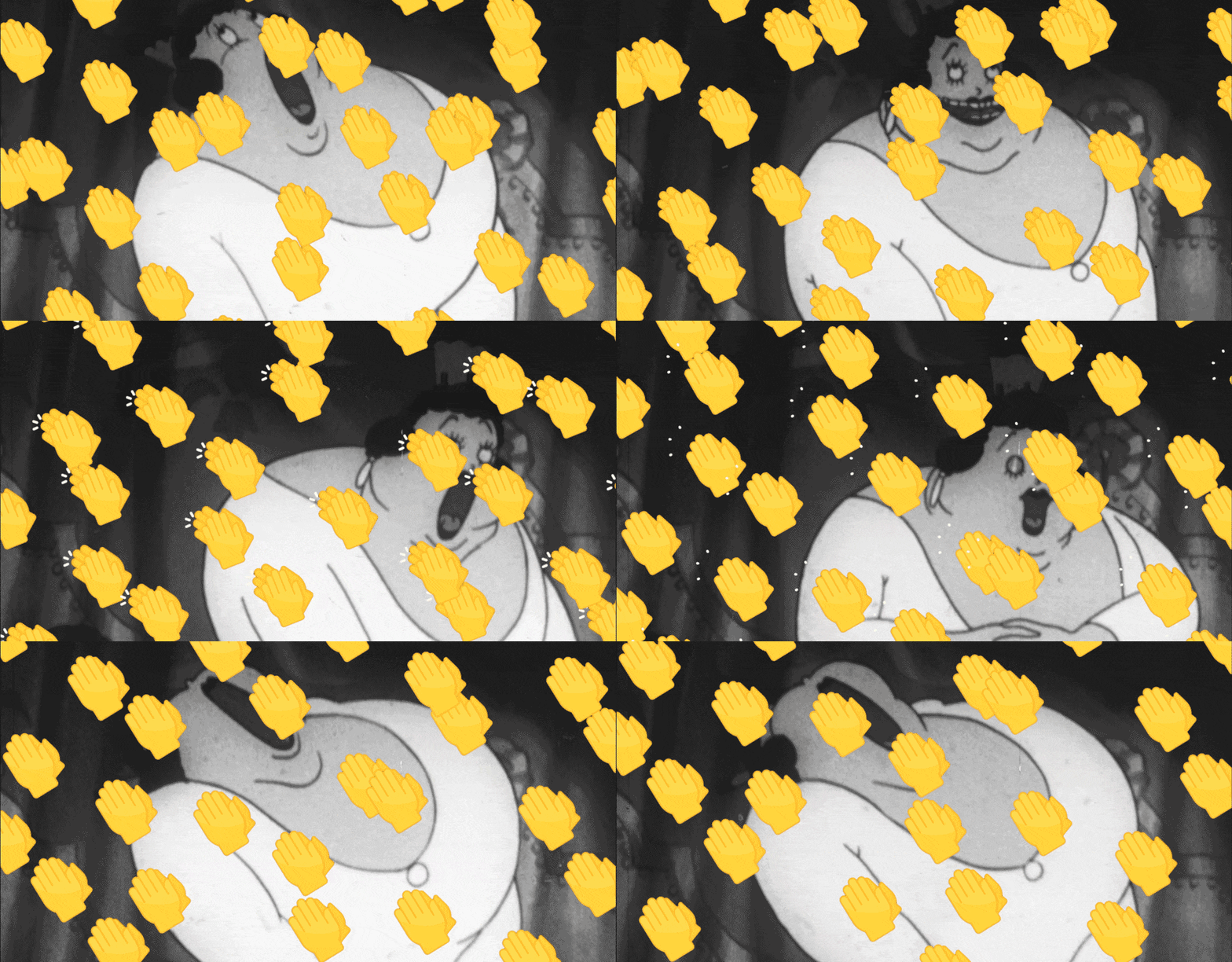
- This phenomenon is compared to historical marketing strategies like 'the claque' and 'payola,' and it exploits the current internet culture's reliance on social context and narrative.
- The backlash against trend simulation could signal a turning point, similar to the 'Disco Sucks' movement, where audiences reject perceived industry manipulation.
- While marketing can expose music, it cannot guarantee genuine liking, and the amplification of mediocrity risks undermining trust in online music ecosystems.
- The ongoing evolution of music marketing tactics and audience reception suggests a continuous cycle of innovation and backlash, pushing platforms away from perceived authenticity.