history
Brutal, vibrant and creative: capturing the soul of Latin America in 100 photographs
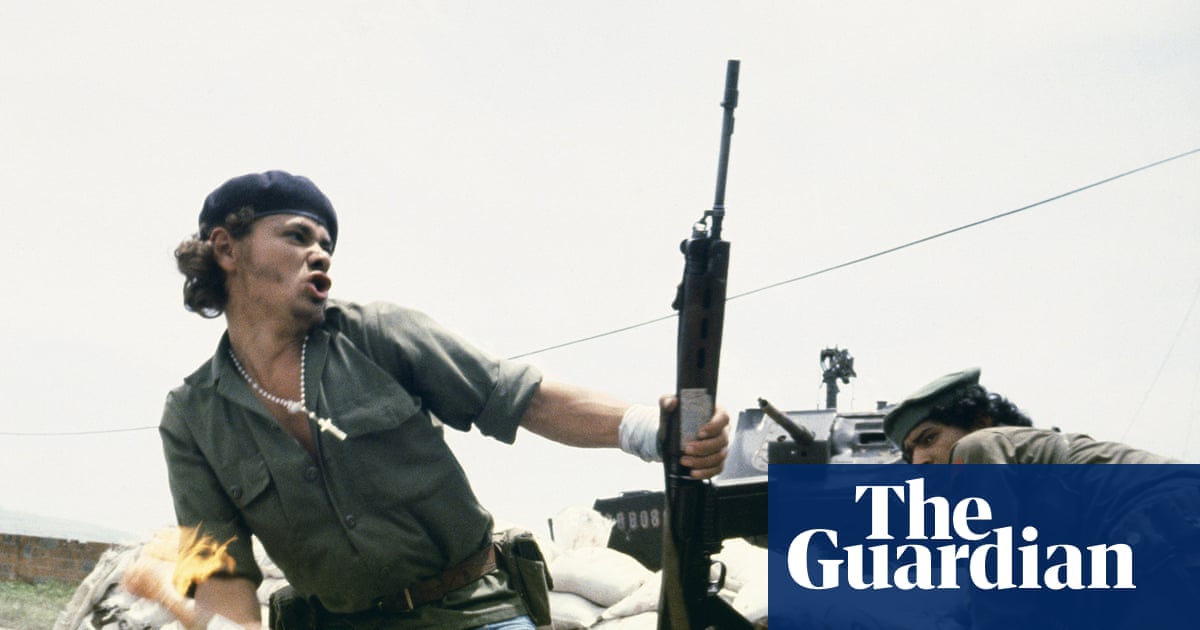
The journalist Paulo Antonio Paranaguá uses images from the turbulent continent to weave a history of the region, covering colonisation, slavery and dictatorship
TL;DR
- Paulo Antonio Paranaguá's book "History of Latin America in 100 Photographs" offers a transnational narrative of the continent, focusing on culture, creativity, and solidarity.
- The book challenges traditional, nationalistic histories by presenting a connected, global view of Latin America's evolution, including Indigenous peoples, colonization, slavery, and migration.
- Paranaguá uses photography to explore cultural, social, and anthropological history alongside political history, highlighting creativity and identity.
- The work avoids clichés by presenting lesser-known aspects of historical events and figures, such as female soldiers in the Mexican Revolution or the Mirabal sisters in the Dominican Republic.
- The book connects Latin America's past to its present, revealing enduring issues like fascist ideas, inequality, violence, and the impact of national independence not freeing populations from entrenched elites.
- Paranaguá emphasizes the value of historical photography for its authenticity as evidence in an age of AI-generated images.