tech
High-speed rail is commonplace in many other countries. Will it track in the U.S.?
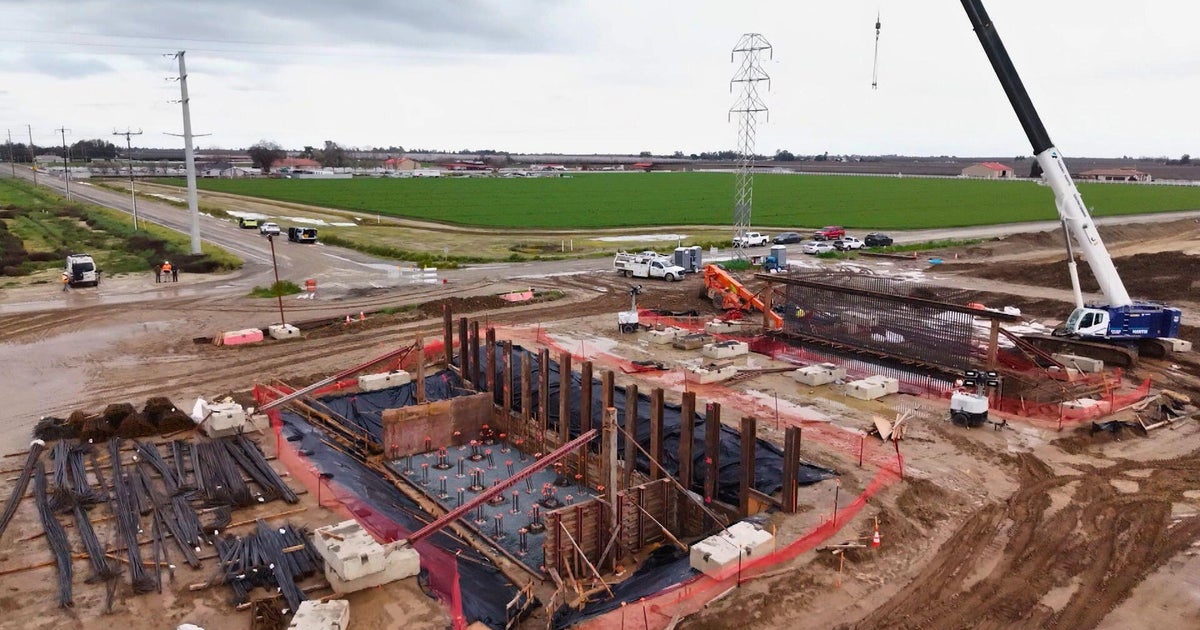
With high-speed rail ambitions in California delayed by years and coming in at a higher-than-expected cost, Lou Thompson, who sat on the state's high-speed rail peer review group, said "failure is always an option."
TL;DR
- California's high-speed rail project, initially planned for a 2020 completion at $33 billion, is now targeting 2033 for a smaller segment with a projected total cost of $126 billion for the full route.
- Factors contributing to delays and cost increases include poor initial planning, complex land acquisition processes, stringent environmental regulations, and high labor and construction costs in the U.S.
- While many countries have established high-speed rail networks, the U.S. has lagged, partly due to a historical focus on automotive transportation and inconsistent government funding for rail projects.
- Private companies like Brightline are attempting to build high-speed rail in the U.S., facing their own financial challenges but potentially offering alternative models.
- Consistent and stable federal funding is identified as crucial for large infrastructure projects like high-speed rail, with public benefits such as pollution and congestion reduction cited as key justifications.