economy
Tax-break trees: how woodland became a store of wealth for the rich
Attempt to turn a stretch of the English-Scottish border into a commercial forest exposes threat to habitats from wealthy investors
TL;DR
- Wealthy investors are acquiring large tracts of land in the UK to establish commercial forests, attracted by inheritance tax (IHT) breaks.
- Commercial forests can qualify for business property relief after two years, and investors avoid income, corporation, and capital gains tax on growing timber.
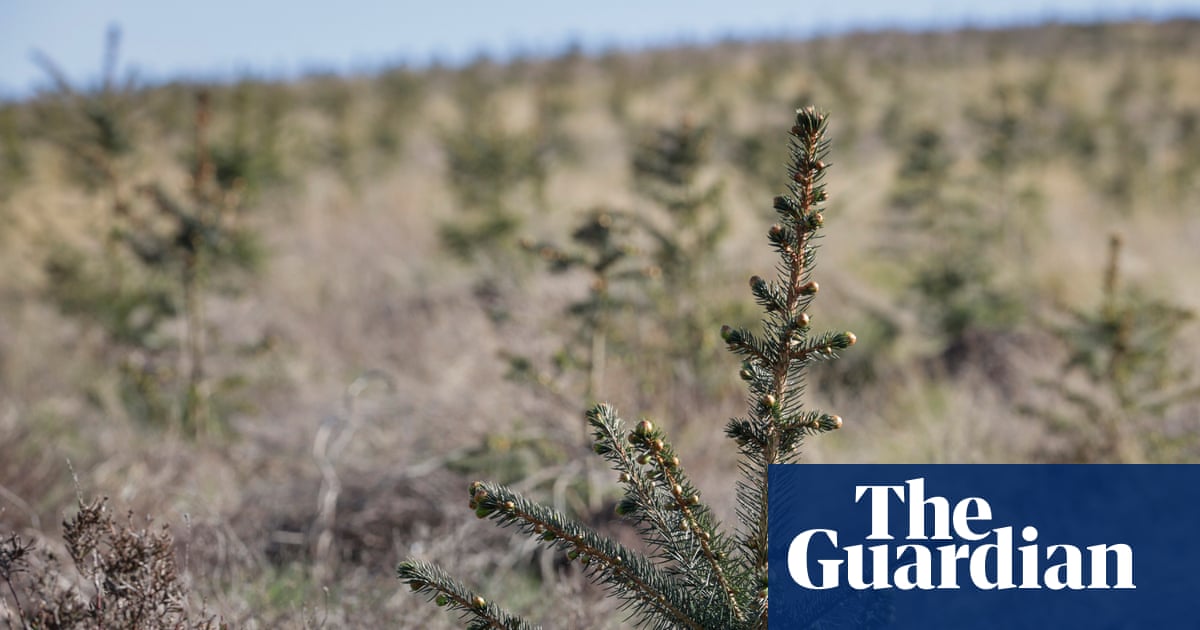
- This trend is putting pressure on natural grasslands and native woodlands, with plans for monocultural plantations facing opposition from environmental groups and local communities.
- The 'vulnerable' status of species like the northern brown argus butterfly has temporarily halted some development plans, leading to legal challenges.
- Companies like Gresham House are significant players in this market, managing funds for wealthy families and institutional investors, leading to concerns about accountability and transparency in land management.
- While investors argue these projects offer environmental and economic benefits, critics contend they harm biodiversity and landscape value.