environment
Critical minerals are ‘oil of 21st century’ as demand fuels poverty and pollution in poorer countries
Rush for lithium, cobalt and nickel is ravaging livelihoods, water and health of world’s most vulnerable, UN study says
TL;DR
- Critical minerals like lithium, cobalt, and nickel are increasingly vital but their extraction leads to poverty and public health crises in vulnerable communities.
- Demand for these minerals is draining water supplies, eroding agriculture, and exposing communities to toxic heavy metals.
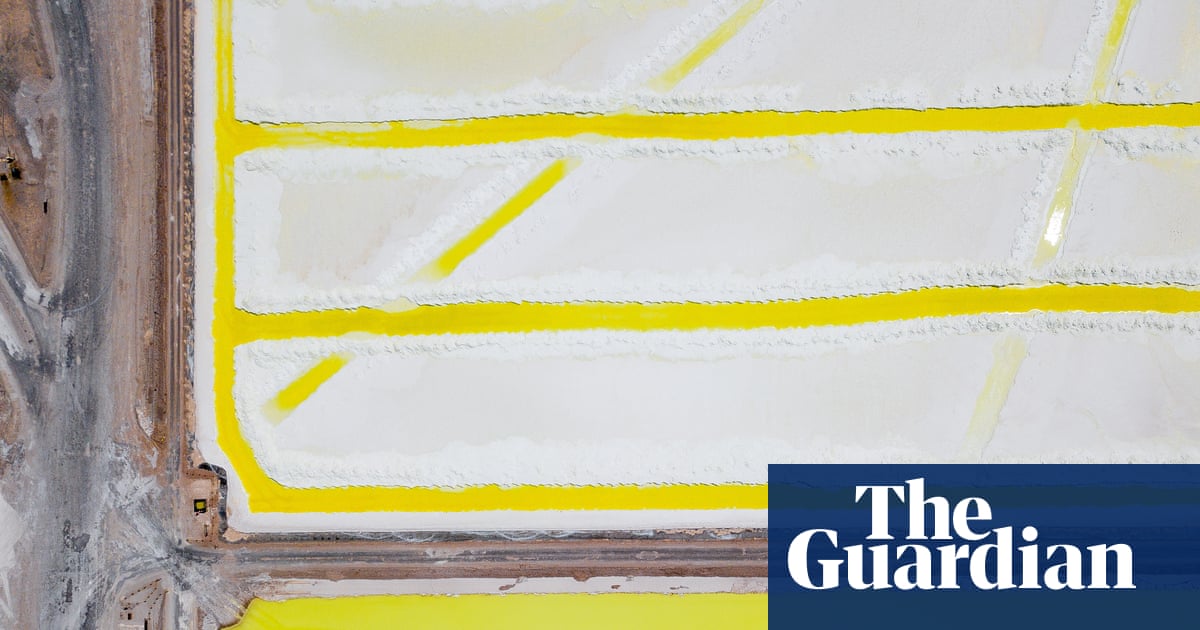
- The extraction of 240,000 tonnes of lithium in 2024 used an estimated 456 billion liters of water, with limited benefits reaching affected populations.
- Environmental and health costs of electric vehicles and microchips are borne by communities in mining regions of Africa and Latin America.
- Africa, holding about 30% of world's critical mineral reserves, faces severe environmental fallout, including river contamination and health issues in mining areas.
- Lithium extraction and chemical processing of minerals contaminate rivers and underground reservoirs, impacting water availability and causing diseases.
- Indigenous communities in Latin America are experiencing devastated agricultural economies due to water scarcity caused by intensive lithium extraction.
- Production of lithium must increase ninefold by 2040, and cobalt and nickel must double to meet climate targets, likely worsening current damage.
- Legally binding global standards for mineral sourcing, waste control, and water pollution monitoring are urgently needed.
- Communities and governments are increasingly pushing back against mining projects through protests and export bans.