health
How the Trump White House works against itself in its efforts to prevent overdoses
Contradictory policies that gut harm reduction programs while supporting naloxone access are confusing experts
TL;DR
- The Trump administration has proposed conflicting policies on overdose prevention, some of which could help save lives and others that experts believe could strain health resources and increase overdose risks.
- Policies include a ban on funding for fentanyl test strips, proposed budget cuts to overdose prevention efforts, and a drug control strategy that may be unworkable if the cuts are enacted.
- Fentanyl test strips, which help people identify dangerous adulterants in drugs, are no longer being funded by the Substance Abuse and Mental Health Services Administration (Samhsa) for use by people who use drugs.
- This move is seen as an attack on harm reduction, a public health strategy that includes interventions like test strips, naloxone, and public health messaging.
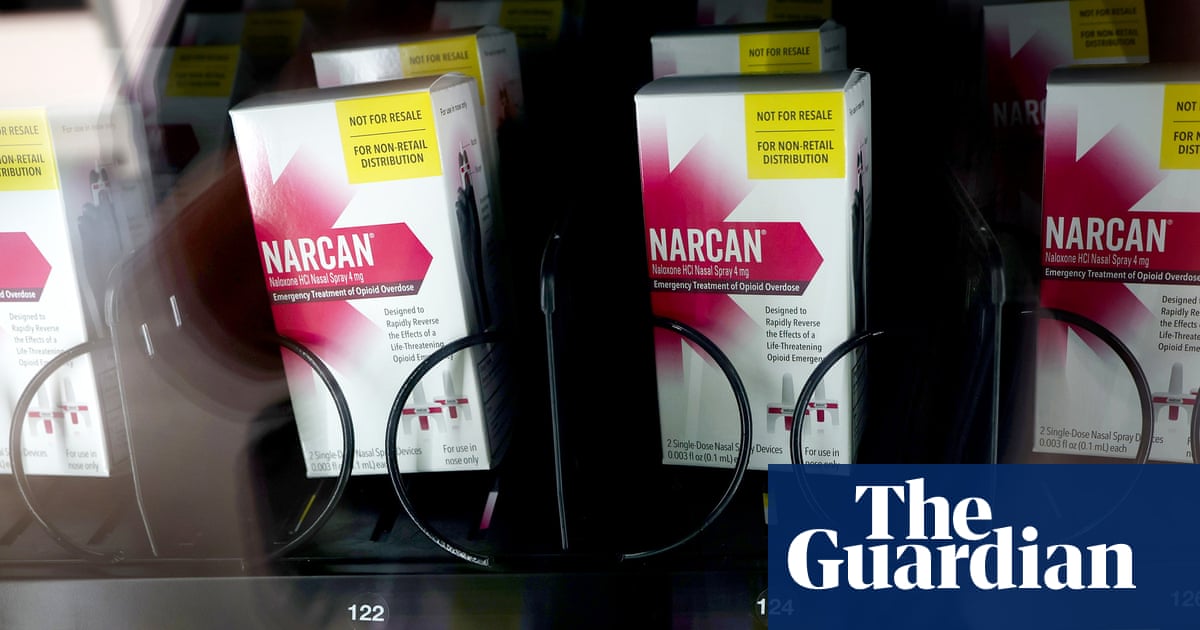
- The administration's actions are inconsistent, with Samhsa stripping funding for test strips while continuing to support naloxone access.
- Proposed budget cuts could remove $10 billion from addiction and overdose prevention funding.
- Experts believe the contradiction stems from a lack of coordination between agencies like the Office of National Drug Control Policy and the Office of Management and Budget.
- The new drug strategy includes elements like wastewater surveillance, which some experts find perplexing given the defunding of individual drug-checking tools like test strips.