health
The Cold, Hard Truth: What You Should Actually Store in the Fridge
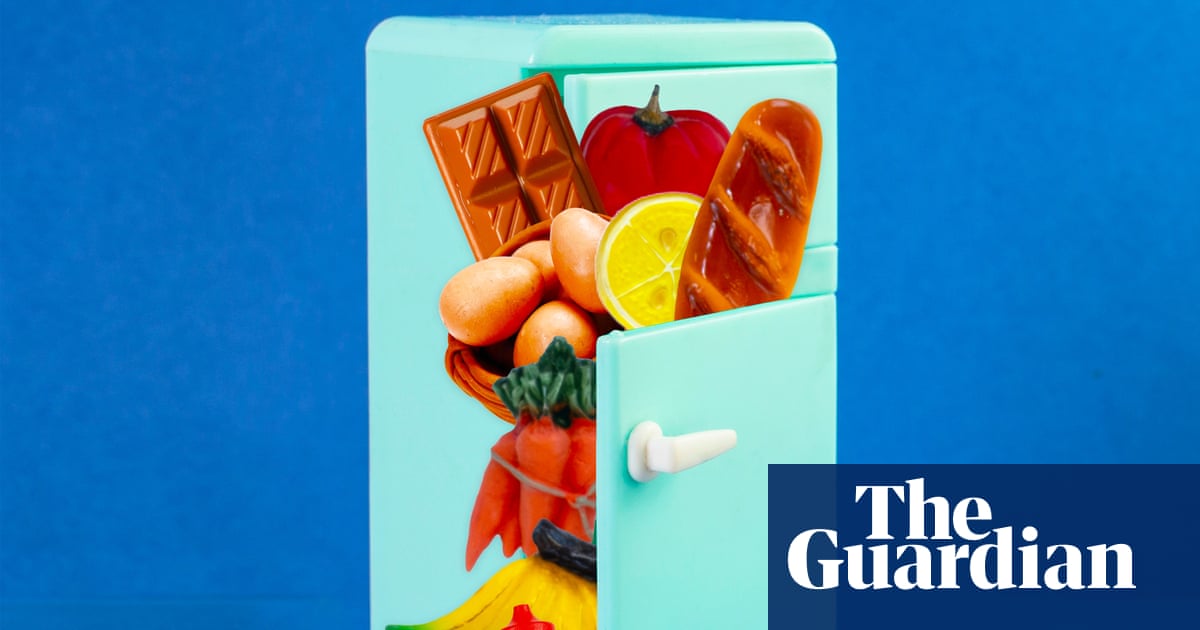
Is chocolate better served chilled? Do bananas go mushy? And won’t someone think of the avocados? Here is the final word on the fridge or cupboard conflict.
TL;DR
- Chilled red wine is a growing trend, with 56% of Gen Z drinkers consuming it compared to 35% of the general population.
- Wine expert Tom Gilbey suggests serving red wine cooler (around 10°C) accentuates fruit and acidity, working best with lighter reds like Beaujolais and Pinot Noir.
- The article delves into optimal storage for various foods: butter is fine on the counter if used within days; bread should be kept at room temperature or frozen; eggs need refrigeration in warmer climates due to porous shells; olive oil should be stored away from light, heat, and oxygen.
- Tomatoes are best kept out of the fridge to preserve texture and flavor; bananas are affected by cold, but refrigeration can extend their life slightly; citrus fruits benefit from refrigeration.
- Condiments like ketchup are often shelf-stable due to sugar/vinegar content but should be refrigerated if not used regularly; jams and honey have differing storage needs, with honey best in a cupboard to prevent crystallization.
- Nut butters, especially natural ones, should be refrigerated to prevent oils from going rancid; coffee beans absorb odors and moisture in the fridge, but can be frozen for long-term storage.
- Milled seeds and sensitive seed oils need refrigeration due to oxidation; chocolate can pick up odors and develop sugar bloom in the fridge, though a brief chill can restore crispness; potatoes are best kept in a cool, dark cupboard away from onions.
- Fresh cream truffles are an exception and should be refrigerated before serving.