tech
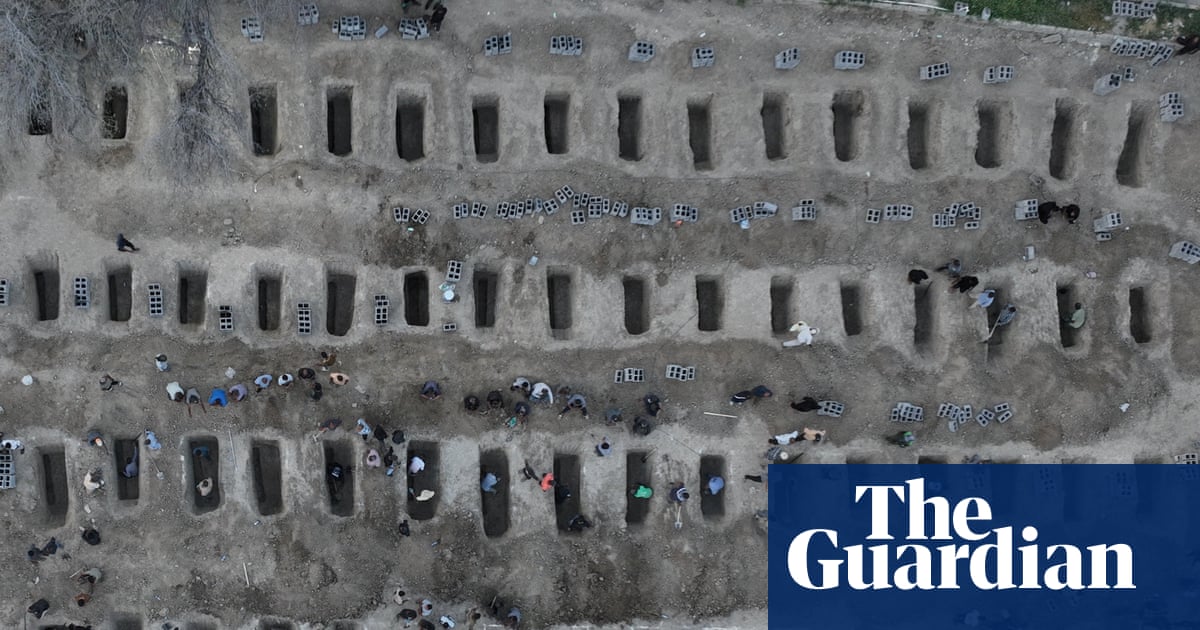
A photo of Iran’s bombed schoolgirl graveyard went around the world. Was it real, or AI?
Numerous faked images and a string of startlingly inaccurate responses from Gemini and Grok are part of a tidal wave of AI slop engulfing coverage of the Iran war
TL;DR
- AI tools like Gemini and Grok are generating inaccurate information and faked images related to the Iran war.
- The AI responses, though authoritative, are often wrong and can lead to dead ends when verifying sources.
- Fact-checkers report that a significant portion of misinformation they debunk is now generative AI.
- The ease of AI generation and increased reliance on AI summaries for news contribute to the spread of inaccuracies.
- LLM AI models work on probability, not factual analysis, leading to convincing but incorrect outputs.
- The authoritative presentation of AI findings can mislead users into trusting incorrect information.
- Wasting investigators' time debunking AI material detracts from crucial reporting on war impacts.
- AI-generated misinformation risks sowing doubt about the reality of documented atrocities.
- The spread of AI inaccuracies can undermine accountability and disrespect those affected by the conflict.