health
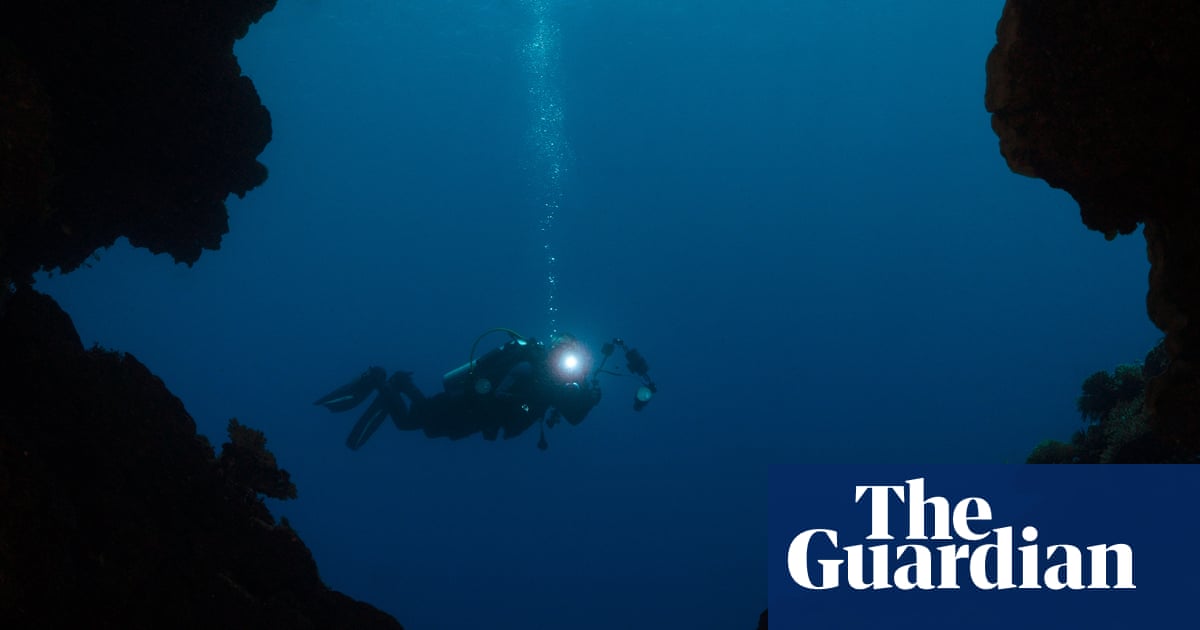
'If something goes wrong, you can’t simply surface': Maldives tragedy shines light on dangers of cave diving
Experts warn about the risks of cave diving without proper training, planning and specialised equipment after deaths in Vaavu atoll
TL;DR
- Five divers died in a cave diving incident in the Maldives, prompting renewed expert warnings.
- Cave diving presents risks fundamentally different from open-water diving, including the inability to make a direct emergency ascent.
- Lack of visibility due to stirred silt, combined with depth, significantly increases the difficulty of exiting a cave in an emergency.
- Depth increases danger by requiring more gas and necessitating slow ascents to prevent decompression sickness.
- Caves are completely devoid of light, making spatial awareness difficult if a diver's light fails, necessitating continuous guide lines.
- Redundancy in equipment, such as multiple tanks, lights, and computers, is crucial for cave diving safety.
- Specialized propulsion techniques like the frog kick are needed to avoid stirring up silt and reducing visibility.
- Proper training by reputable instructors is vital for understanding personal limits and making sound decisions.
- False confidence from experience can lead divers to exceed their training and knowledge, increasing risk.
- Human factors and mindset are critical; divers must be prepared to abandon a dive if their intuition suggests it is unsafe.