health
Breaking it down: how to limit the environmental impact of your body after death
From cardboard coffins and natural burials to water-based cremation, Australians are increasingly open to alternative farewells – but the key is to plan
TL;DR
- Cremation releases significant greenhouse gases, while traditional burials can leach chemicals into the ground.
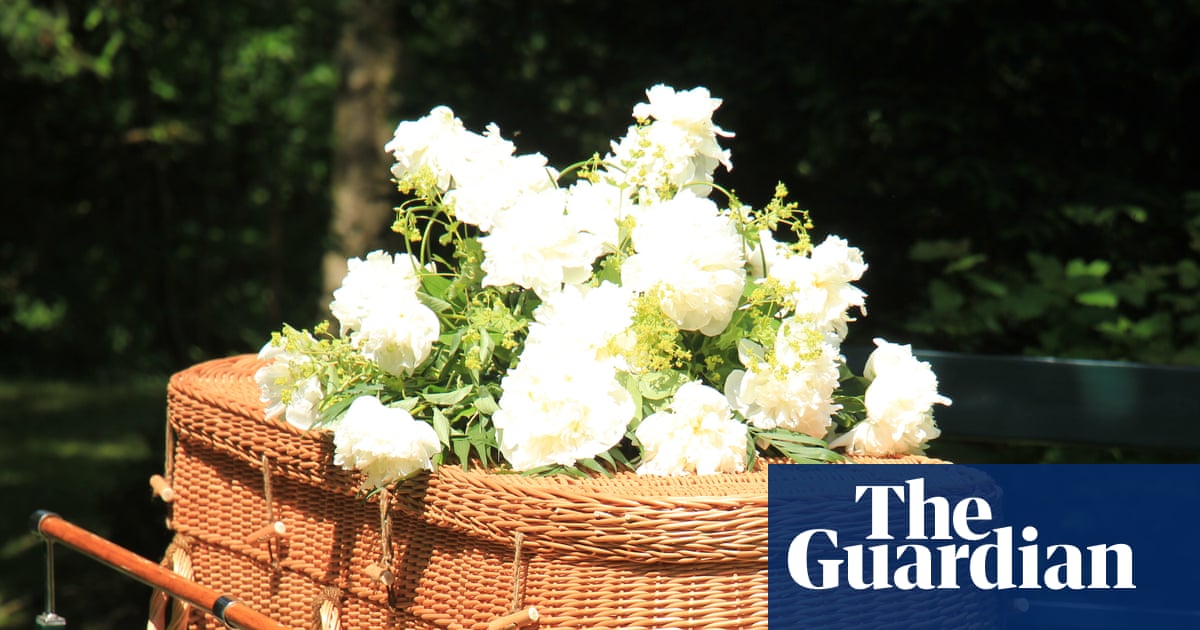
- Natural burials involve minimal preparation and biodegradable coffins, allowing the body to decompose naturally.
- Aquamation uses water and alkaline solutions to break down the body, producing a residue similar to ash.
- Human composting, a process of turning the body into compost, is being considered in Australia.
- Choosing sustainable coffins made from untreated pine, cardboard, or wicker can significantly reduce emissions compared to lacquered coffins with plastic parts.
- Industry professionals are increasingly developing and advocating for sustainable practices, driven by both environmental concerns and business efficiencies.
- Advance planning and open conversations about funeral wishes are crucial to ensure sustainable choices are made over default traditional methods.