economy
After Hormuz, China looks to the promise
China has established the first scheduled transit through the northern sea route, but questions remain over the environmental and political risks
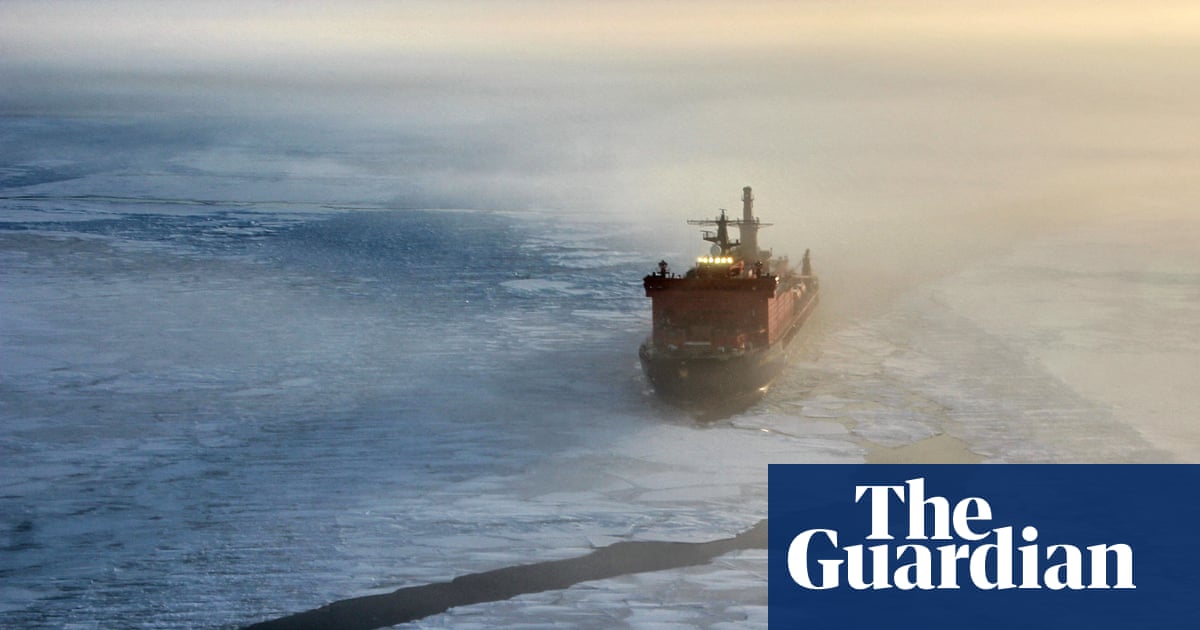
TL;DR
- Sea Legend has launched the first scheduled container service on the Northern Sea Route (NSR) from China to the UK, cutting travel time significantly compared to the Suez Canal.
- The NSR's navigability has increased due to shrinking summer sea ice, driven by climate change.
- China views the NSR as a 'polar Silk Road' to expand its Arctic influence and trade.
- Environmental risks associated with the NSR include the danger of fuel spills of heavy fuel oil (HFO) and the impact of black carbon emissions on global warming.
- Russia, controlling much of the NSR, provides essential icebreaker support, but experts question its preparedness for environmental disasters.
- International sanctions on Russia may complicate rescue efforts and navigation, with a significant portion of current NSR traffic attributed to Russia's 'shadow fleet'.
- Despite potential time savings, experts believe the economic viability and safety of the NSR are currently constrained by various risks, making it unsuitable as an immediate substitute for the Suez Canal.