health
RAM pop-up clinics provide free medical, dental, and vision care to uninsured or underinsured Americans
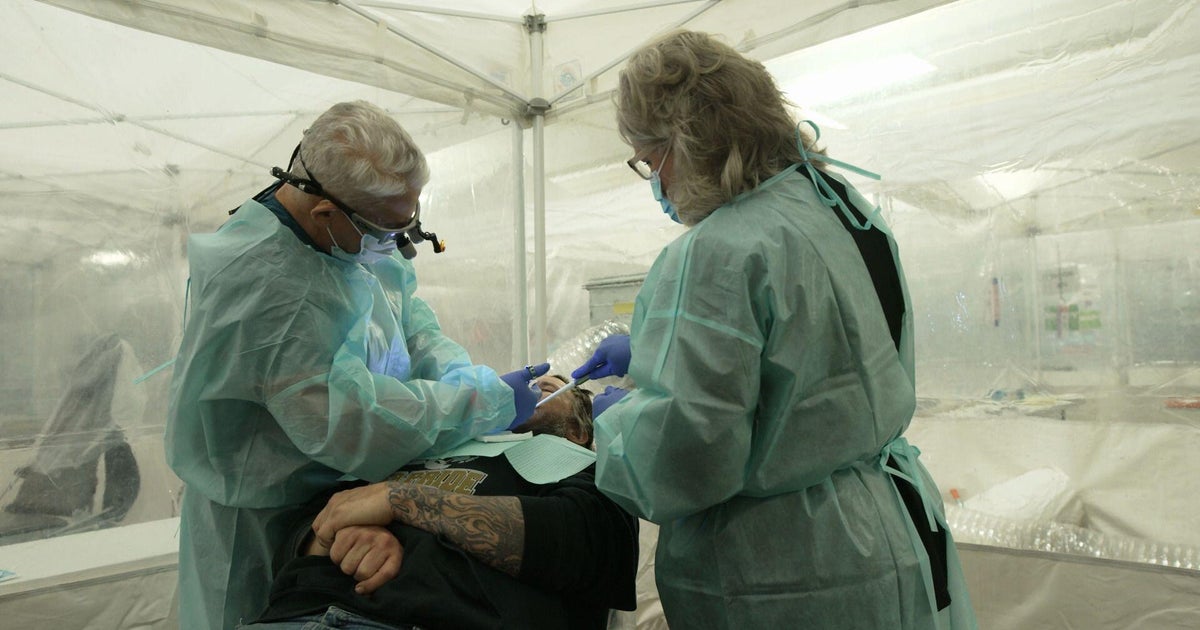
About one third of Americans say they have skipped meals, borrowed money, or cut back on utilities to pay for health care. That's in a Gallup poll released in March. The Trump administration has lowered prices on more than 50 drugs. But it also let premiums rise — even double — in the Affordable Care marketplace and made the biggest cuts ever to Medicaid. Already, 3 million have lost insurance and it's estimated it'll be 10 million in three years. All of this reminded us of our story in 2008, about a charity called Remote Area Medical. RAM started out parachuting doctors into South American jungles. But in the 1990s, it turned to another isolated people: Americans cut off from health care by the cost. Recently, we returned to RAM at one of its free, pop-up clinics. For Americans long on pain and short on hope, RAM is a ray of mercy in the darkness.
TL;DR
- Remote Area Medical (RAM) provides free health, dental, and vision care to Americans who cannot afford it.
- Patients, like Sandra Tallent and Dave Burge, wait for days in parking lots for access to services like dental work and dentures.
- RAM clinics serve a wide range of people, including neighbors, parents, and friends, offering services regardless of insurance status.
- A significant portion of patients (65%) request dental services, followed by eye exams (30%), with only 5% requesting general medical care.
- The organization is funded by public donations, with over 81% coming from individual donors, and relies heavily on volunteers.
- RAM was founded by Stan Brock, an adventurer who aimed to provide care to isolated Americans, and has grown significantly since its inception.
- Innovative solutions, like 3D printed dentures, are used to provide rapid and life-changing care to patients.
- The clinics provide relief from pain and restore hope for many individuals struggling with health issues and lack of financial resources.