tech
Much-Needed US Housing Expansion May Go Through 3D Printed Homes
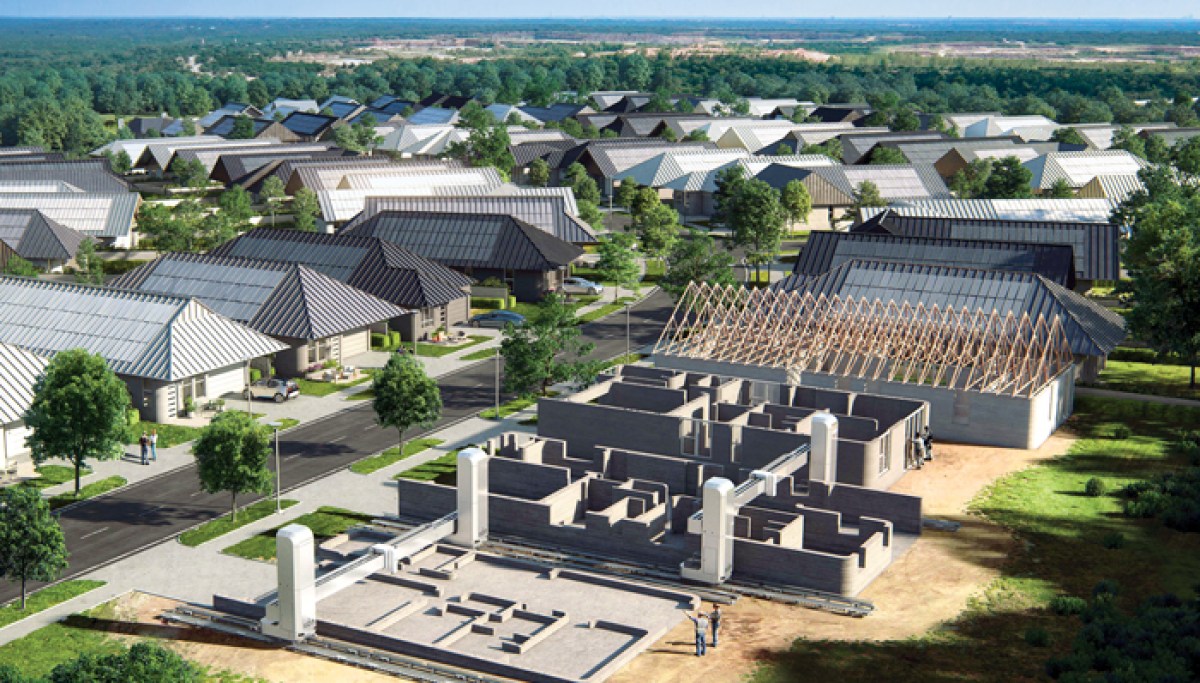
Fifteen years ago, when discussion of 3D-printed anything was broached, it was likely centered on 3D-printed guns, a flash in the alarmist media pan. More auspiciously, today, the same technology, albeit scaled, is emerging. Or rather, stacking up. Using a largely labor-free method of pouring concrete in a highly methodical, layered fashion, homes constructed using 3D-printing technology reduce build time and cost by orders of magnitude, resulting in lower home prices than those generally prevailing nearby.
TL;DR
- 3D-printed homes use a methodical, layered concrete pouring process, reducing build time and cost significantly.
- Companies like 4DIFY aim to provide attainable housing by minimizing labor costs and material waste.
- A 3D-printed home in Yuba County, California, was built in just over three weeks and is on the market for below the local average.
- Republican-leaning states, particularly in the South and Mountain West like Florida and Texas, are leading the adoption of 3D-printed home construction.
- Firms may be headquartered in Democratic urban centers due to tech skills but build in Republican areas facing regulatory hurdles or traditional union practices.
- Democrats often support the technology for environmentally conscious dwellings and providing rapid housing for the homeless.
- Nonprofits like Mobile Loaves & Fishes and Habitat for Humanity are integrating 3D-printed homes into their projects.
- Florida's pragmatic use of 3D printing is driven by its susceptibility to natural disasters, facilitating rapid rebuilding.
- Alaska's Republican legislature is exploring 3D-printed homes designed to withstand extreme cold.
- Texas and California account for approximately two-thirds of all existing 3D-printed homes in the US.
- Support for 3D-printed housing has created a broad consensus, bridging liberal and conservative viewpoints.
- 3D-printed homes represent tangible progress in construction, contrasting with the abstract focus on AI.