From scorpions to peacocks: the species thriving in London’s hidden microclimates
An extraordinary mosaic of wildlife has made Britain’s urban jungle its home
TL;DR
- London is unique in the UK for hosting diverse wildlife like scorpions, snakes, turtles, seals, peacocks, and falcons within the city.
- Urban areas offer a mosaic of habitats, including allotments, gardens, and ancient woodlands, contrasting with homogeneous countryside landscapes.
- Cities provide milder winters, allowing species like queen bumblebees to forage through Christmas, and preventing waterways from freezing, which aids animals like otters and herons.
- Species adapt their behavior to urban environments, altering hunting patterns, habitat use, and movement.
- The 'London Underground mosquito' and yellow-tailed scorpions are examples of species that have adapted to the urban environment, with scorpions originating from shipments of Italian masonry.
- Aesculapian snakes, one of Europe's largest snake species, inhabit Regent's Park, likely surviving from a former research facility.
- The River Thames has seen a significant environmental recovery, now supporting otters, harbour seals, demon shrimp, short-snouted seahorses, red-eared terrapins, and European eels.
- Peregrine falcons thrive in central London, nesting on tower blocks and adapting to hunt nocturnal birds attracted by streetlights.
- Bats navigate urban landscapes using linear features like railway embankments.
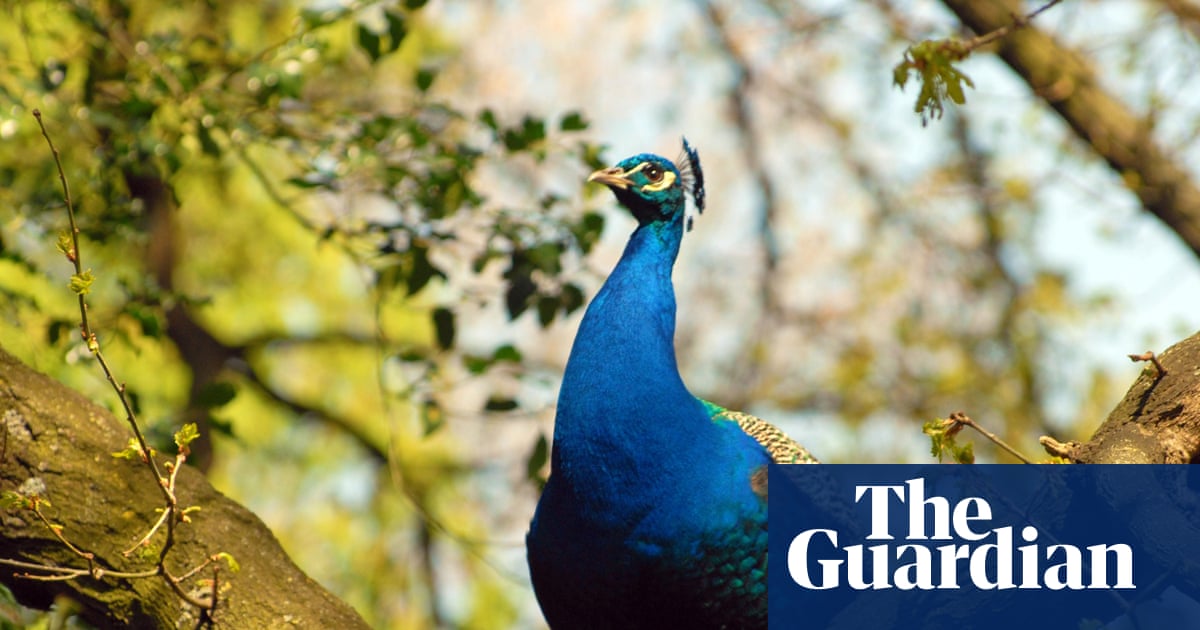
- Peacocks in Kyoto Garden and pelicans in St James's Park are descendants of birds kept by aristocrats in the past.