environment
‘It’s an open invasion’: how millions of quagga mussels changed Lake Geneva for ever
The molluscs are decimating food chains in Switzerland, have devastated the Great Lakes in North America, and this week were spotted in Northern Ireland for the first time
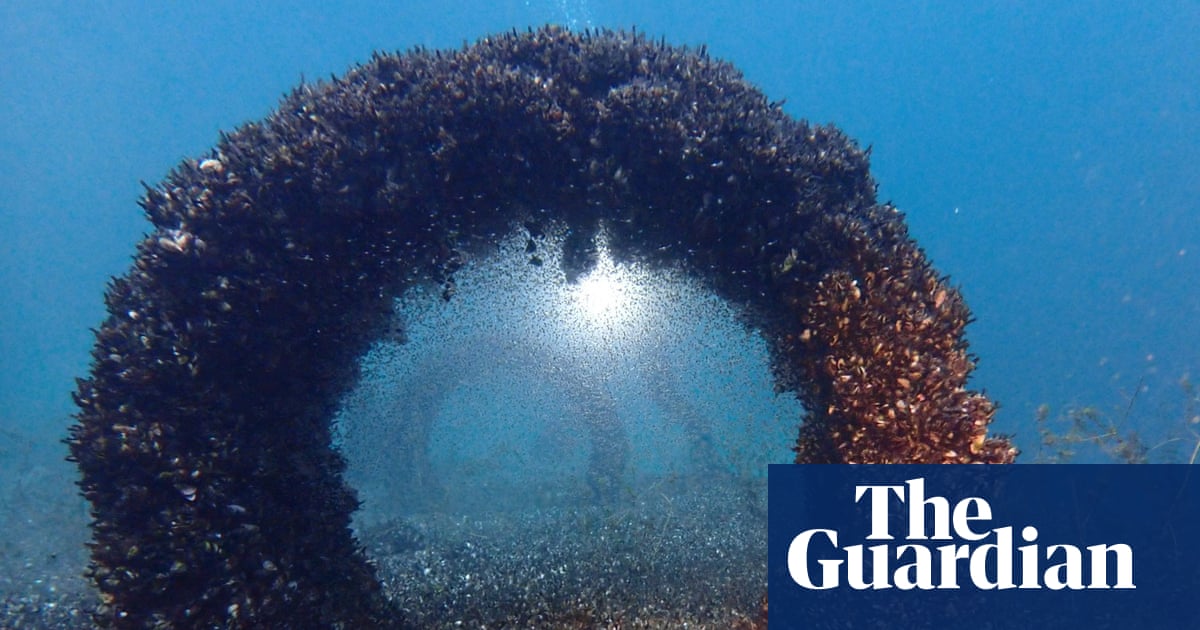
TL;DR
- Quagga mussels have infiltrated pipes at EPFL in Switzerland, reducing heat exchanger power by a third and causing air conditioning failures.
- Research facilities, including the Tokamak experimental nuclear fusion reactor, are at risk due to cooling system blockages.
- Drinking water systems in Geneva and Lausanne are potentially threatened by the invasive mussels.
- Lake Geneva's food chain has been drastically altered, with quaggas replacing native snails, shrimps, and mussels.
- Quagga mussels have reached record depths in Lake Geneva (250 meters) and their biomass is comparable to that in North America's Great Lakes.
- The mussels were first detected in Switzerland in 2014 and have spread rapidly, with 100% of samples in a 2024 survey being quaggas.
- Quaggas were recently detected in Northern Ireland for the first time, prompting calls for increased vigilance.
- The filtering activity of quaggas leads to clearer water, allowing light to penetrate deeper, potentially warming water and increasing blue-green algal blooms.
- Once established, quagga mussel populations are irreversible, and efforts are focused on preventing their spread to other lakes.