tech
The twilight zone: Nocturnes, from piano to perfume and Russia to Richter
The 19th-century composer John Field was the first to name his gentle and delicate piano pieces ‘nocturnes’. The word – and the genre of ‘sleep music’ it presaged – is ubiquitous today
TL;DR
- Insomnia is common, and sleep music is often recommended for relaxation.
- Max Richter's 'Sleep' is an example of modern sleep music, inspired by brain activity during sleep phases.
- Lullabies, though ancient, are vocal and can have unsettling lyrics, unlike instrumental sleep music.
- John Field (1782-1837) pioneered the piano 'nocturne,' creating short pieces to evoke tranquil evening moods.
- Field's nocturnes, developed in St. Petersburg, featured lyrical melodies with rippling accompaniments.
- Chopin expanded the nocturne form, incorporating more dramatic and varied moods.
- Composers like Gabriel Fauré and Erik Satie continued the tradition of nocturnes, with Satie influencing ambient music.
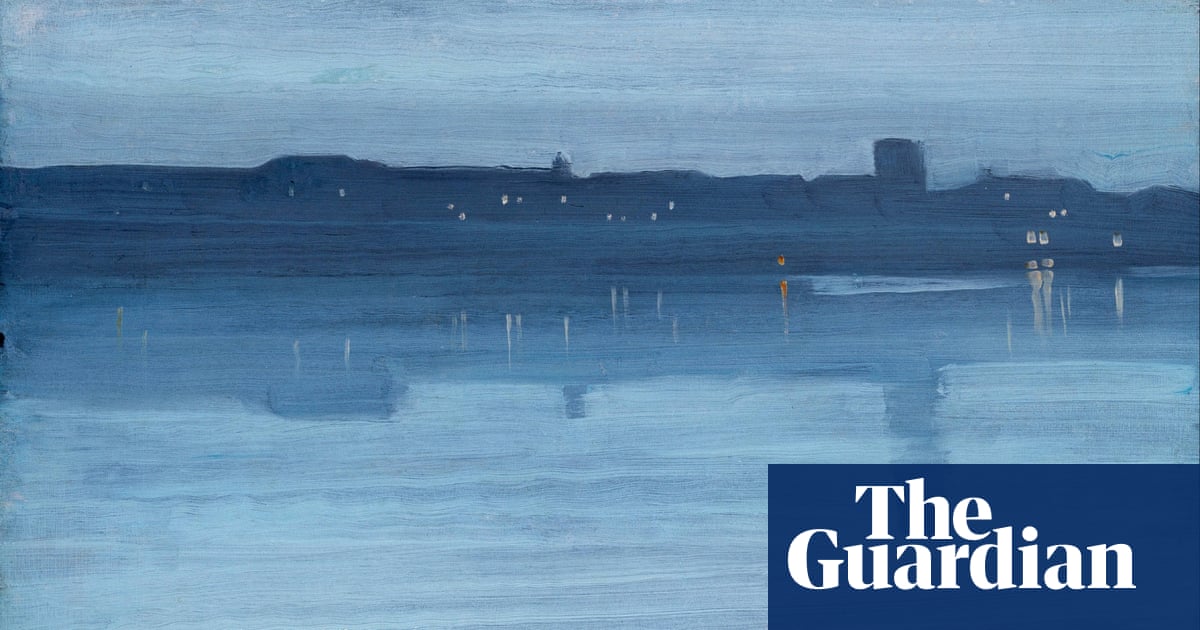
- The term 'nocturne' was adopted by artist James McNeill Whistler for his paintings and has since influenced literature and various products.
- Nocturnes are distinct from sleep music as they are short narratives inviting listeners to follow a story, bridging conscious and subconscious states.