health
The doctor who mends broken brains: why there is room for hope after a stroke or head injury
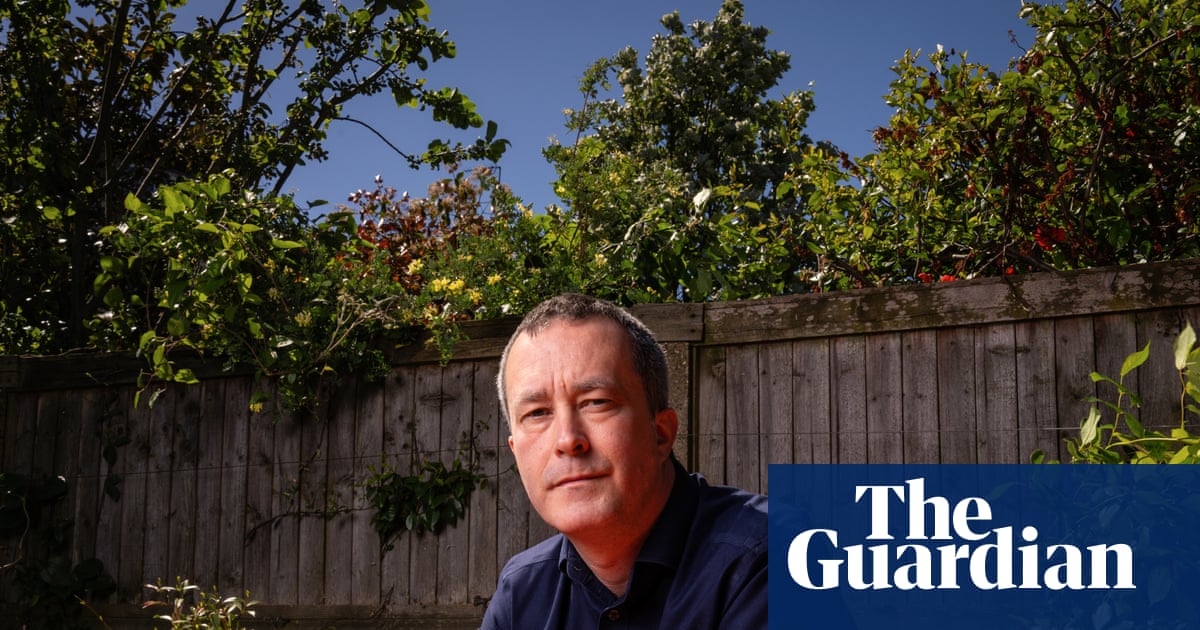
The neurologist Orlando Swayne doesn’t suggest everyone can recover. But he does argue that early, targeted and intense therapy can sometimes bring about life-changing improvements – and we have a moral obligation to provide it
TL;DR
- Neurologist Orlando Swayne champions neuroplasticity, the brain's ability to reorganize and form new connections, as a key to recovery after stroke and brain injury.
- Swayne argues that early, targeted, and intense therapy can lead to significant, life-changing improvements for patients, even those with profound impairments.
- Current rehabilitation services in the UK are critically underfunded and inadequate, failing to meet the recommended therapy hours for stroke patients.
- The lack of community-based rehabilitation creates a 'postcode lottery' and leads to patients worsening after hospital discharge.
- Investing in proper rehabilitation is economically viable, reducing long-term care costs and lost productivity.
- Traumatic brain injuries are also often overlooked, with cognitive deficits frequently missed, leading to invisible disabilities that impact daily functioning.
- Maintaining overall brain health through exercise, social interaction, and avoiding smoking and excessive alcohol is crucial for recovery and prevention.