liberal
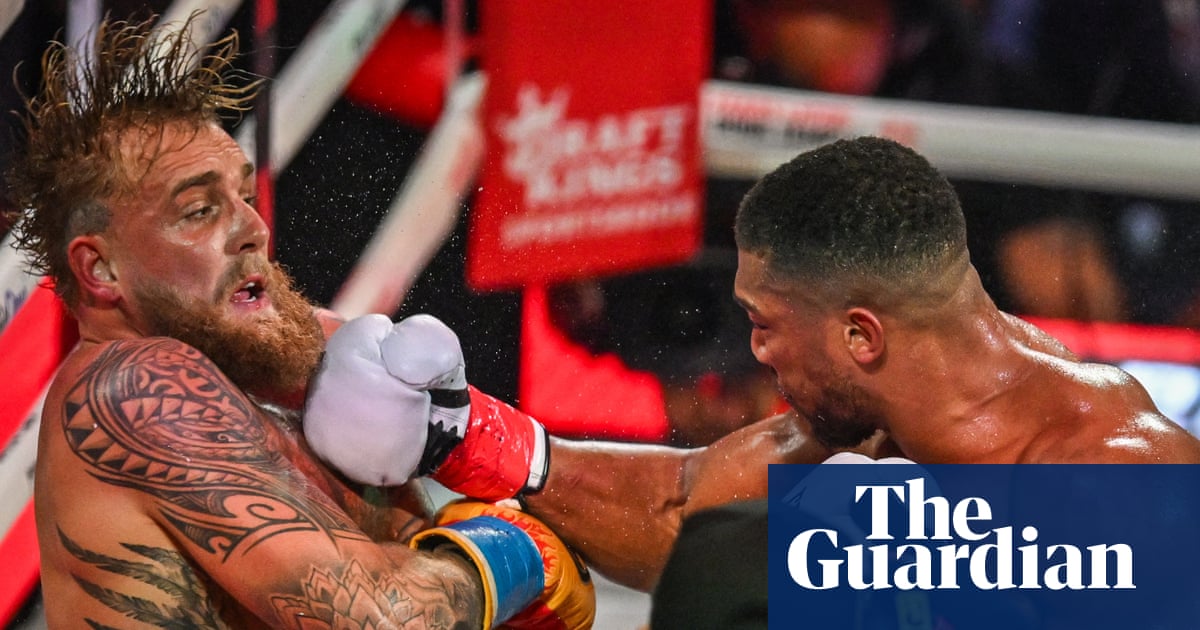
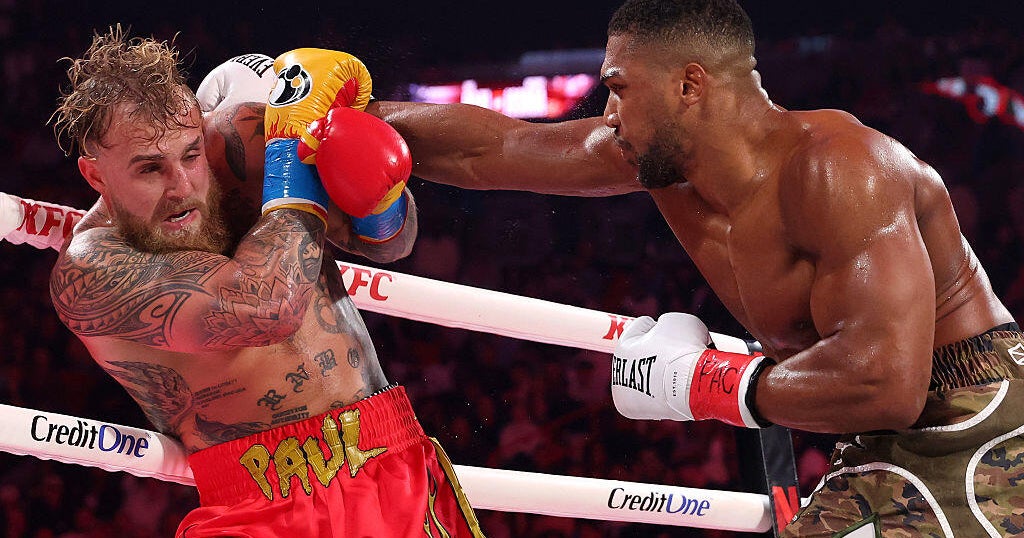
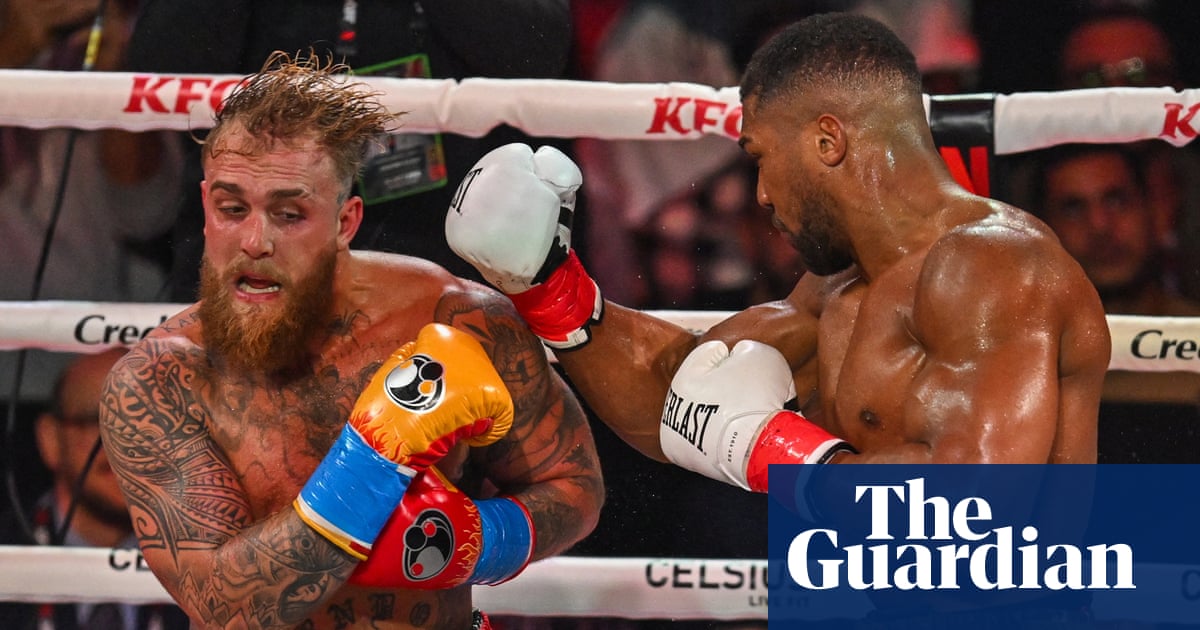
Anthony Joshua overwhelms Jake Paul in six to restore boxing sanity in Miami
Victor eyes Fury after hospitalizing Paul with broken jaw
4 months ago
Anthony Joshua defeated Jake Paul by knockout in an eight-round heavyweight bout held in Miami, finishing the fight in the sixth round after scoring multiple knockdowns. Coverage across the spectrum agrees that Joshua’s superior size, power, and experience dominated the contest, with Paul sent to hospital and subsequently revealing he suffered a double broken jaw. The bout, carried as a Netflix-streamed event, ended via a count of ten following the final knockdown, and both sides report that Paul nonetheless vowed to continue his boxing career despite the injuries and the decisive loss.
Reports also converge that the fight was treated as a crossover spectacle blending boxing and entertainment, yet still sanctioned as a professional contest, raising broader questions about safety and competitive legitimacy. Liberal and conservative accounts alike note that Joshua’s victory has renewed discussion about how celebrity-driven matchups fit within the sport’s traditional hierarchy, and they agree that the most significant sporting implication is Joshua’s post-fight callout of Tyson Fury as he seeks a higher-stakes, legacy-defining matchup. Both perspectives frame the event as part of a wider trend in which media platforms and streaming services shape matchmaking, marketing, and public perceptions of what constitutes a serious heavyweight fight.
Significance of the matchup. Liberal-leaning coverage tends to frame the bout as a spectacle that, while entertaining, sat below the standard of elite heavyweight competition and mainly served to "restore sanity" by reaffirming the gap between a former champion and an influencer. In contrast, conservative-leaning outlets are more inclined to treat the event as a legitimate, fan-driven contest that demonstrates how new media personalities can draw audiences comparable to traditional title fights. Liberals emphasize the mismatch and question whether Paul ever belonged in the ring with Joshua, while conservatives highlight Paul’s willingness to face a real heavyweight and present the outcome as part of the sport’s ongoing evolution.
Safety and regulation. Liberal sources focus heavily on safety concerns, pointing to Paul’s double broken jaw and the clear skill disparity as evidence regulators should be more cautious in approving such mismatches. Conservative coverage is more likely to suggest that both men were consenting professionals operating within established rules, portraying the injuries as an unfortunate but accepted risk in heavyweight boxing. While liberals often invoke medical oversight and long-term health implications as reasons to scrutinize influencer bouts, conservatives tend to stress personal responsibility and market demand as justification for allowing such fights to proceed.
Impact on boxing’s credibility. Liberal reporting often laments that crossover fights risk turning boxing into a circus unless they are clearly framed as exhibitions and carefully matched, even as they acknowledge Joshua’s win reasserted traditional sporting order. Conservative outlets are more apt to argue that these events inject new money and younger audiences into a struggling sport, and that purists should adapt rather than resist. The liberal narrative leans on the idea that novelty bouts can overshadow rankings and deserving contenders, while conservatives counter that any attention that leads to more viewers and revenue ultimately benefits all fighters.
Future stakes and Tyson Fury callout. Liberal coverage tends to treat Joshua’s callout of Tyson Fury as the substantive sporting takeaway, portraying the Paul fight as a stepping stone back toward legitimate top-level clashes. Conservative accounts, while noting the Fury angle, give more narrative weight to Paul’s resilience and brand, suggesting his ability to rebound could matter as much commercially as any traditional title storyline. Liberals frame Fury–Joshua as a needed return to classic heavyweight rivalries, whereas conservatives more readily envision a future in which such marquee matchups coexist with, rather than replace, influencer-led cards.
In summary, liberal coverage tends to cast the fight as a lopsided spectacle that reasserted boxing’s traditional hierarchies and exposed safety and credibility concerns, while conservative coverage tends to emphasize the bout’s legitimacy as a market-driven event that broadens boxing’s audience and treats injuries and outcomes as acceptable risks within a changing sport.