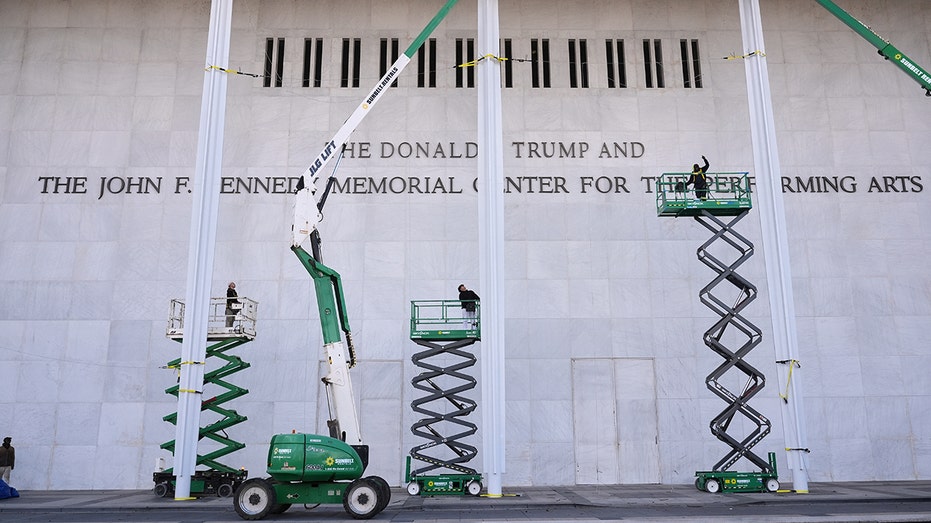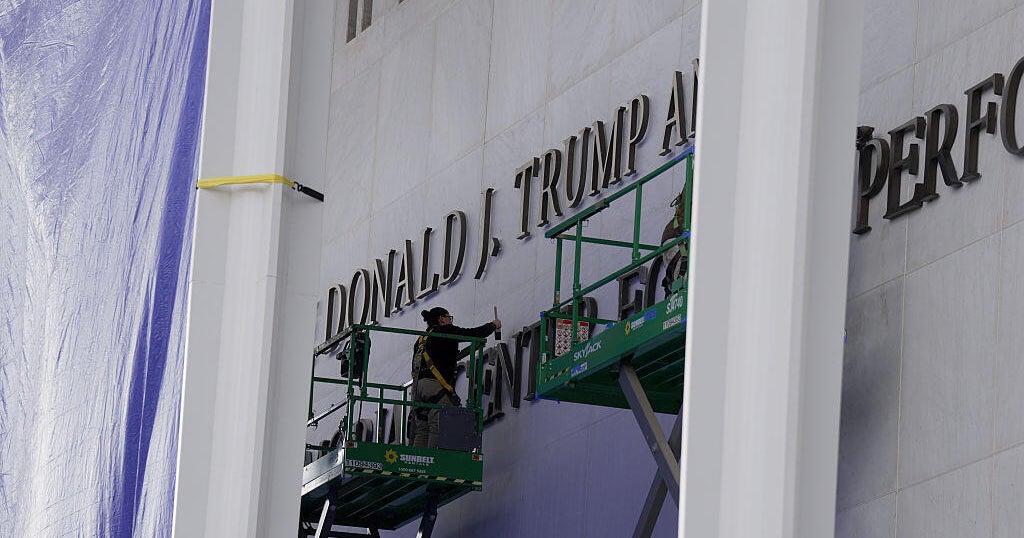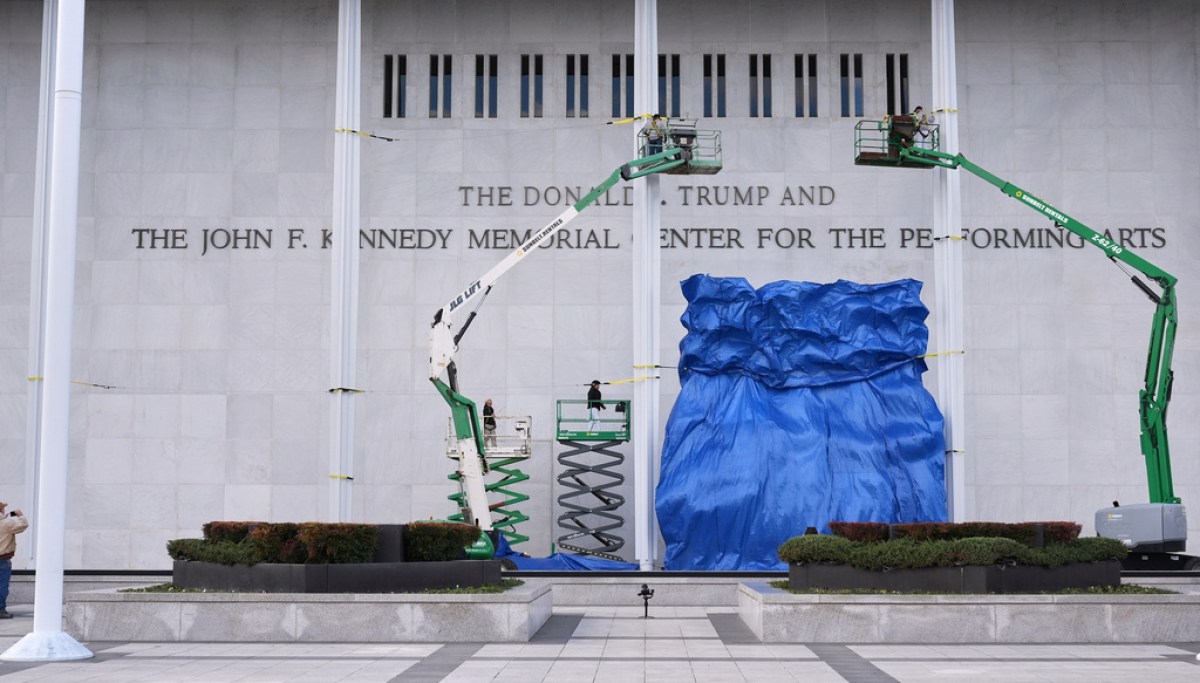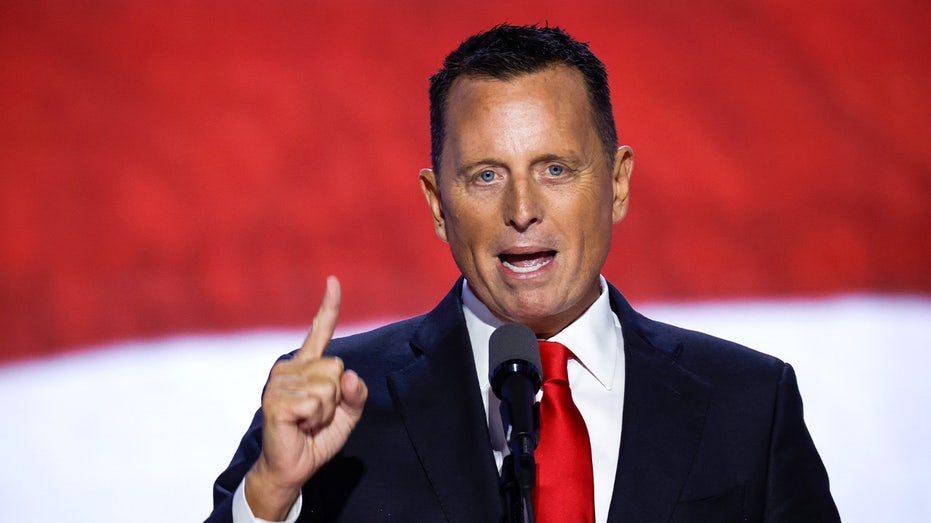



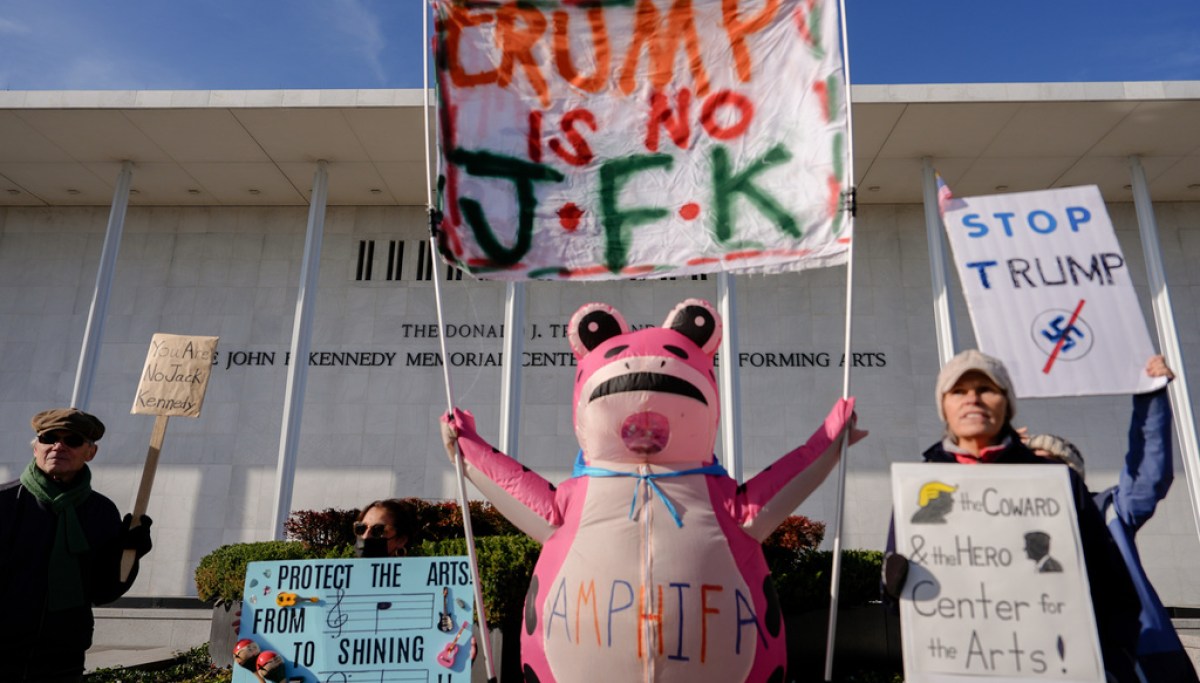
The annual Christmas Eve jazz concert at the John F. Kennedy Center for the Performing Arts was canceled after longtime host and musician Chuck Redd withdrew from the event in protest of the institution’s recent renaming to include former President Donald Trump. Both liberal and conservative reports agree that the Kennedy Center’s board, largely comprised of Trump appointees, voted around December 18 to rebrand the venue as the “Trump-Kennedy Center,” prompting objections from members of the Kennedy family and at least one legal challenge led by Rep. Joyce Beatty, who cites a federal law designating the venue as the John F. Kennedy Memorial Center for the Performing Arts. They also concur that Kennedy Center president Richard Grenell responded by seeking roughly $1 million in damages from Redd, arguing that his cancellation imposed significant financial and reputational costs on the nonprofit arts institution.
Coverage from both sides describes the Kennedy Center as a congressionally chartered, federally designated living memorial to President John F. Kennedy, emphasizing that its name and status are rooted in statute dating back to the 1960s. There is shared acknowledgment that the board’s renaming move could conflict with that law and that this has triggered a lawsuit challenging the board’s authority to alter the memorial’s name, with the outcome potentially reshaping how politically affiliated naming rights interact with congressionally established institutions. Both liberal and conservative outlets also highlight the clash between the center’s stated mission to elevate and depoliticize the arts and the intensely partisan symbolism created by associating the institution with Trump, framing the dispute as a test of how far political branding can reach into nationally significant cultural spaces.
Areas of disagreement
Motives and framing of Redd’s protest. Liberal-aligned outlets tend to frame Chuck Redd’s decision as a principled stand against politicizing a national arts memorial and diluting the Kennedy legacy with Trump’s name. They emphasize his opposition to what he sees as an inappropriate rebranding of a presidential memorial, casting him as an artist reacting to an overreach by political appointees. Conservative outlets, by contrast, stress Grenell’s characterization of Redd’s move as a “political stunt” and “classic intolerance,” portraying his cancellation as partisan activism that unfairly punishes a nonprofit institution and its audience.
Characterization of the renaming. Liberal sources present the renaming primarily as a controversial politicization of a congressionally designated memorial, highlighting Kennedy family objections and legal concerns that the change violates the center’s founding law. They more often underscore the symbolism of pairing Trump’s name with Kennedy’s and suggest this undermines the original commemorative purpose. Conservative coverage, while acknowledging the legal questions, tends to normalize the renaming as a board decision to honor Trump and broaden the institution’s identity, framing backlash as resistance to recognizing a Republican president in a prestigious cultural space.
Legal and institutional focus. Liberal coverage accentuates the statutory constraints, elevating Rep. Joyce Beatty’s lawsuit and the argument that the board lacks authority to alter a congressionally mandated memorial name, thereby casting the board’s action as potentially unlawful. Conservative outlets mention the same law and lawsuit but more strongly foreground the board’s autonomy and the Trump administration’s role in appointing members, suggesting the dispute is as much political as legal. They more often imply that opponents of the renaming are using the law as a tool to block a legitimate recognition of Trump rather than to defend institutional integrity.
Responsibility for harm to the arts institution. Liberal-aligned reporting generally distributes responsibility across the Trump-aligned board and Grenell, arguing that the decision to inject Trump’s name into the Kennedy Center created the conditions that made Redd’s protest and the concert’s cancellation likely. They frame the financial and reputational fallout as a predictable consequence of politicizing a national arts venue. Conservative sources, however, place primary blame on Redd, highlighting Grenell’s claim that his last-minute withdrawal caused significant losses and harmed staff, audiences, and the broader non-profit mission, portraying the renaming itself as secondary to the damage done by the protest.
In summary, liberal coverage tends to portray the episode as a principled pushback against politicizing a federally designated Kennedy memorial and an overreach by Trump-aligned appointees, while conservative coverage tends to depict it as a partisan overreaction by an intolerant musician and political opponents who are undermining a cultural institution’s leadership for refusing to exclude Trump.
Story coverage