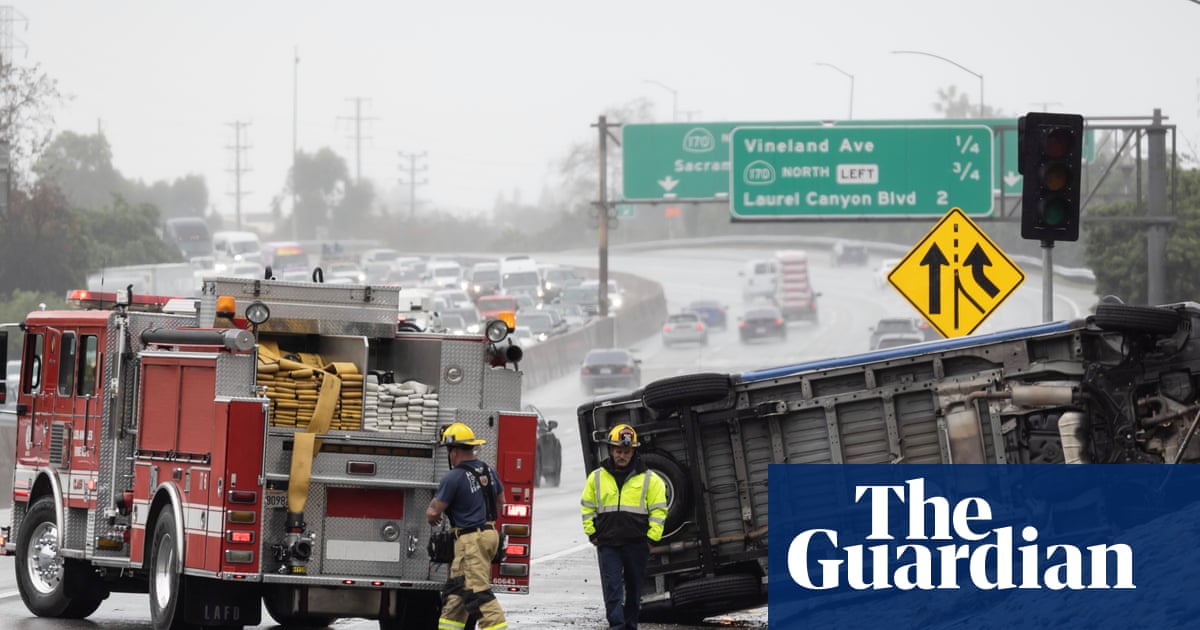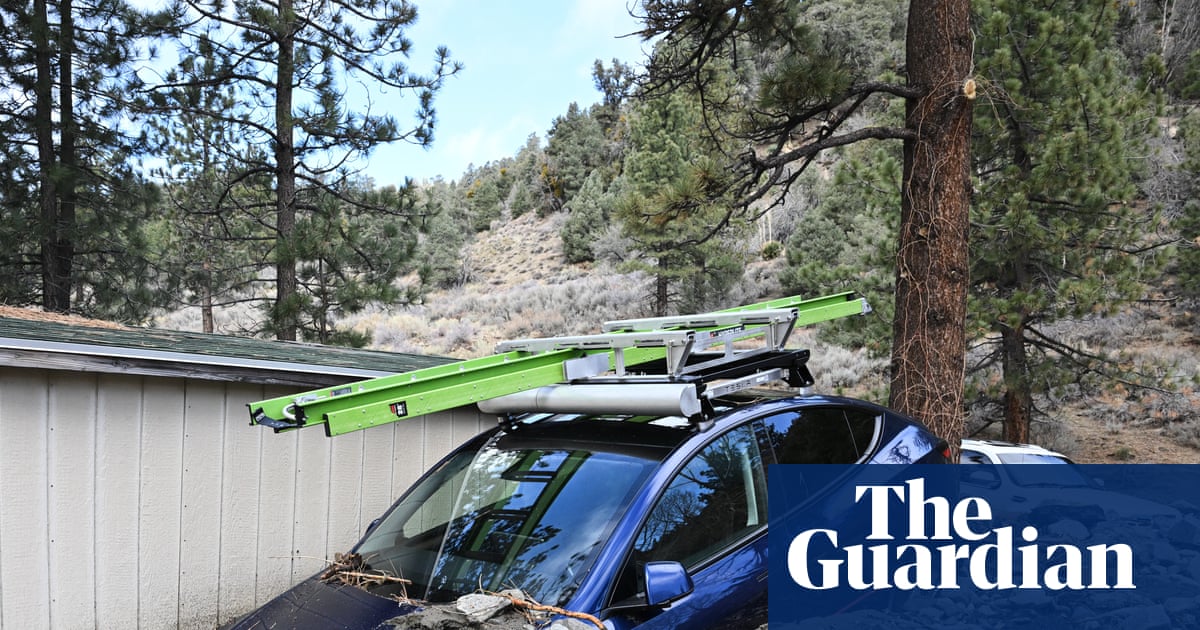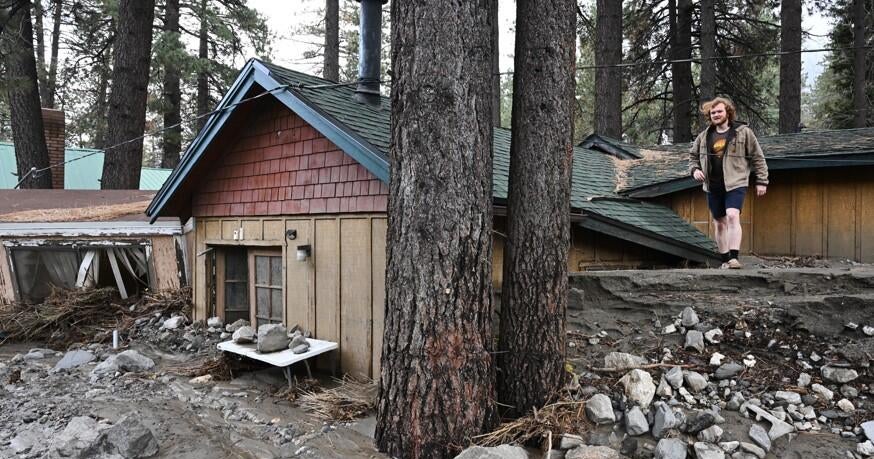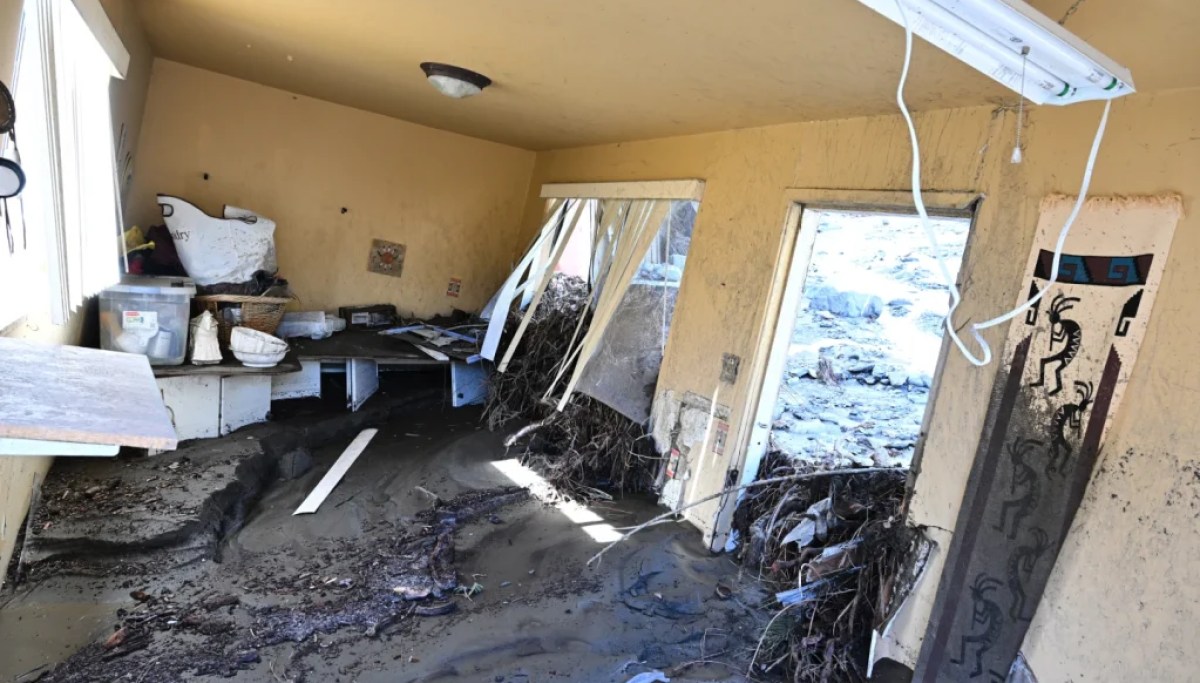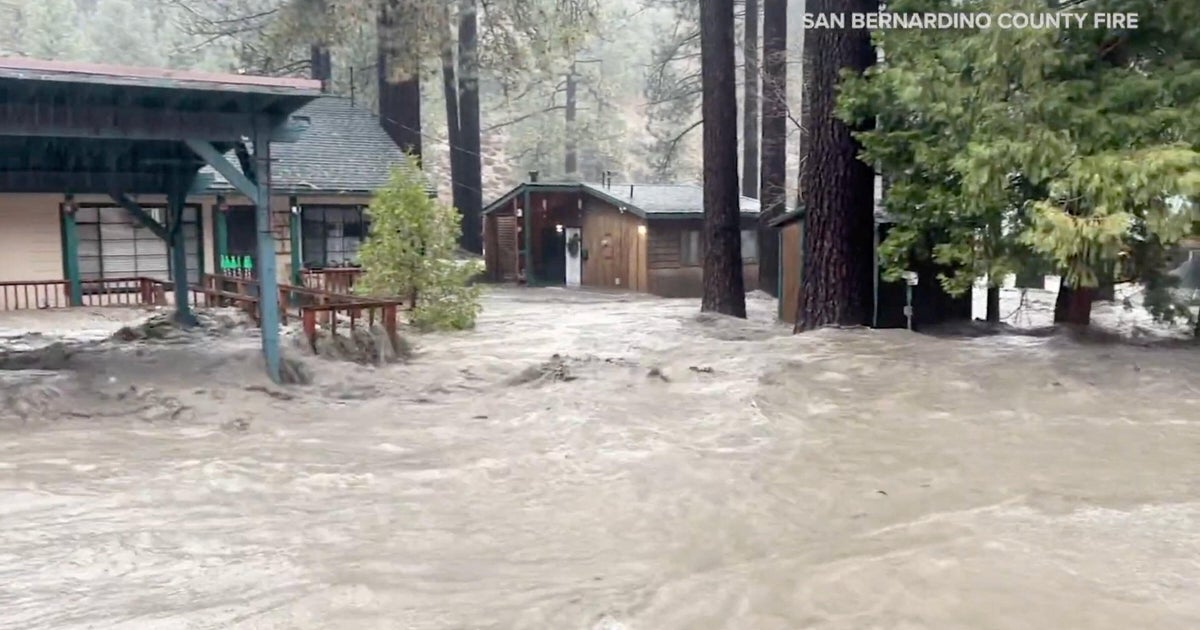



Southern California has been hit by a series of powerful winter storms over the Christmas period, producing the wettest Christmas season in recent history and unleashing deadly mudslides, flash flooding, and debris flows across multiple counties. Both liberal and conservative outlets report that an atmospheric river–fueled system drenched areas from Santa Barbara and Ventura County mountains to Wrightwood and the Los Angeles area, with roads turned into rivers of mud and homes and cars buried up to their windows. Coverage agrees that at least two to three deaths have been linked to the storms, thousands of residents lost power (with some reports citing more than 70,000 statewide at peak), travel was heavily disrupted, and emergency declarations, evacuation warnings, and rescues were carried out in vulnerable mountain and coastal communities. Both sides highlight Wrightwood as a focal point of mudslide damage, note additional threats such as high surf along the coast and avalanche risk in the Sierra Nevada, and stress that the immediate danger has not fully passed despite some weakening of the current storm system.
Shared context across outlets emphasizes that these storms are part of a broader pattern of intense winter weather in California, with atmospheric rivers delivering extreme precipitation after a preceding year marked by drought and large wildfires. Both liberal and conservative sources explain that burn scars from recent wildfires have made slopes particularly prone to mudslides and debris flows, amplifying the risk to communities in affected canyons and mountain areas. Meteorologists and emergency managers are quoted across the spectrum warning that saturated soils, ongoing showers, and new storm systems expected around Christmas and shortly afterward keep the region on heightened alert for renewed flooding and slides. There is agreement that emergency infrastructure—from county governments and state agencies to the National Weather Service—is central to monitoring conditions, issuing evacuation and shelter-in-place orders, and guiding residents through cleanup and continued preparedness.
Areas of disagreement
Framing of climate and long‑term trends. Liberal coverage more explicitly links the extreme rainfall and "hydroclimate whiplash" to broader climate change patterns and a warming atmosphere that can intensify atmospheric rivers, using the storms as an example of escalating climate volatility. Conservative outlets, while acknowledging the severity of the weather and the role of atmospheric rivers, generally treat the storms as part of California’s recurring winter extremes and focus less on attributing them to long‑term climate change. Liberal sources tend to fold the mudslides into a narrative about increasing climate-driven risks in the West, whereas conservative reports emphasize immediate impacts and forecast details without dwelling on structural climate causes.
Government competence and preparedness. Liberal‑aligned reporting spotlights the actions of state and local authorities, including emergency declarations, warnings for burn‑scar areas, and calls for improved resilience, while occasionally hinting that infrastructure and land‑use planning remain insufficient for this new level of risk. Conservative coverage highlights the same evacuations and alerts but frames them more as routine disaster management, stressing individual readiness and the operational response rather than systemic policy shortcomings. Where liberal sources suggest the storms expose gaps in long‑term planning and resilience strategies, conservative sources more often present officials’ response as adequate within the bounds of unpredictable severe weather.
Economic and social impact emphasis. Liberal outlets foreground the vulnerability of specific communities—such as mountain towns, working‑class neighborhoods, and areas recently affected by wildfires—linking property damage and displacement to broader social inequities and housing precarity. Conservative stories focus more on aggregate disruption, such as power outages, damaged roadways, and holiday travel problems, framing the impact in terms of statewide infrastructure and economic activity. As a result, liberal coverage tends to humanize the event through residents’ struggles and long‑term recovery concerns, while conservative coverage leans toward a more generalized account of damage and logistical challenges.
Risk outlook and narrative tone. Liberal coverage often uses urgent language about continuing danger, stressing that even as storms weaken, saturated ground and upcoming systems keep the threat of mudslides and flooding elevated for days, tying this into discussions about ongoing adaptation needs. Conservative outlets also warn about additional storms and hazards like high surf and flooding but adopt a more episodic tone, centering near‑term forecasts and practical travel or safety advisories. Consequently, liberal reports position the storms as a warning sign within a larger pattern of escalating risk, while conservative reports treat them primarily as a serious but time‑bound weather event that residents must temporarily endure.
In summary, liberal coverage tends to integrate the storms and mudslides into a broader story about climate change, vulnerable communities, and long‑term resilience gaps, while conservative coverage tends to spotlight the immediate weather dynamics, property damage, and operational response without as much emphasis on structural or climate‑driven explanations.