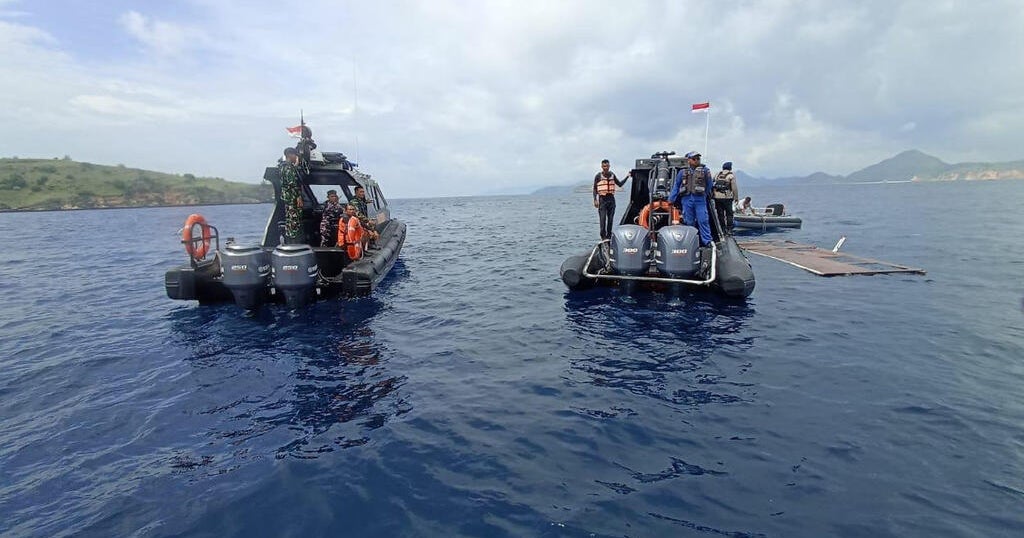


A Spanish tour boat carrying 11 people, including Spanish women's soccer coach Fernando Martín and three of his children, sank near Padar Island in Indonesia’s Komodo National Park after reported engine failure, leaving the coach and his children missing while several others were rescued. Both liberal- and conservative-leaning outlets agree that Indonesian search and rescue teams launched operations starting Saturday, that bad weather and rough seas have complicated those efforts, and that authorities are continuing surface and underwater searches in the surrounding area. They concur that the location is a popular tourist destination, that some passengers were found alive relatively soon after the sinking, and that officials have not yet confirmed any fatalities for the missing four members of the Spanish family.
Coverage from both sides also situates the event within the broader context of rising tourism in Komodo National Park, the routine use of small tour boats for island-hopping, and the challenges of maritime safety in Indonesia’s archipelago. Outlets agree that mechanical failure, particularly engine trouble in rough weather, is a common risk for such vessels, and that Indonesian authorities frequently have to mount complex search and rescue operations in remote marine areas. Both perspectives reference the prominence of Martín as a figure in Spanish women’s soccer to explain why the case has drawn international attention, and they note that the incident may prompt renewed scrutiny of tour operator standards, vessel maintenance, and enforcement of existing safety regulations in the region.
Areas of disagreement
Responsibility and blame. Liberal-aligned outlets more often highlight potential negligence by the tour operator and systemic enforcement gaps in Indonesia’s maritime safety regime, suggesting that lax regulation may have contributed to the tragedy. Conservative-leaning coverage tends to frame the sinking more as a tragic accident driven by bad weather and mechanical failure, emphasizing that a formal investigation is needed before assigning blame. While liberal sources speculate about whether corners were cut on safety, conservative sources largely avoid conjecture about fault and focus on the ongoing rescue efforts.
Regulatory and policy framing. Liberal coverage more frequently uses the incident to raise questions about oversight of tourist operators, the adequacy of safety inspections, and the responsibilities of authorities amid booming tourism to Komodo National Park. Conservative coverage usually treats regulation as background, mentioning existing rules but not pressing for reforms, and instead foregrounds operational details of the search. Liberals sometimes connect this case to a broader pattern of under-regulated adventure tourism, whereas conservatives largely present it as an isolated event under investigation.
Human-interest emphasis. Liberal-leaning outlets tend to dwell more on Fernando Martín’s identity as a women’s soccer coach, his family, and the emotional toll on relatives and teammates, positioning the story within themes of sports, international solidarity, and the human cost of inadequate safety. Conservative sources also note his profession and family status but devote more space to quotes from Indonesian officials, timelines of the rescue, and descriptions of the geography and conditions. As a result, liberal pieces often feel more narrative and personal, while conservative pieces feel more procedural and event-driven.
International responsibility and diplomacy. Liberal coverage is more likely to highlight the involvement or expected role of Spanish consular officials and potential diplomatic pressure for answers, portraying this as an international accountability issue in popular tourist destinations. Conservative coverage mentions Spain’s interest but generally keeps the focus on Indonesian agencies’ competence and coordination, treating foreign involvement as secondary. Liberals sometimes hint that high-profile foreign victims can spur overdue safety reforms, whereas conservatives stress respect for Indonesia’s process and refrain from implying external pressure is necessary.
In summary, liberal coverage tends to treat the sinking as a symbol of broader regulatory and safety failures, foregrounding human impact and potential systemic negligence, while conservative coverage tends to emphasize the facts of the accident, the professionalism of Indonesian rescuers, and the need to avoid premature judgments about fault.