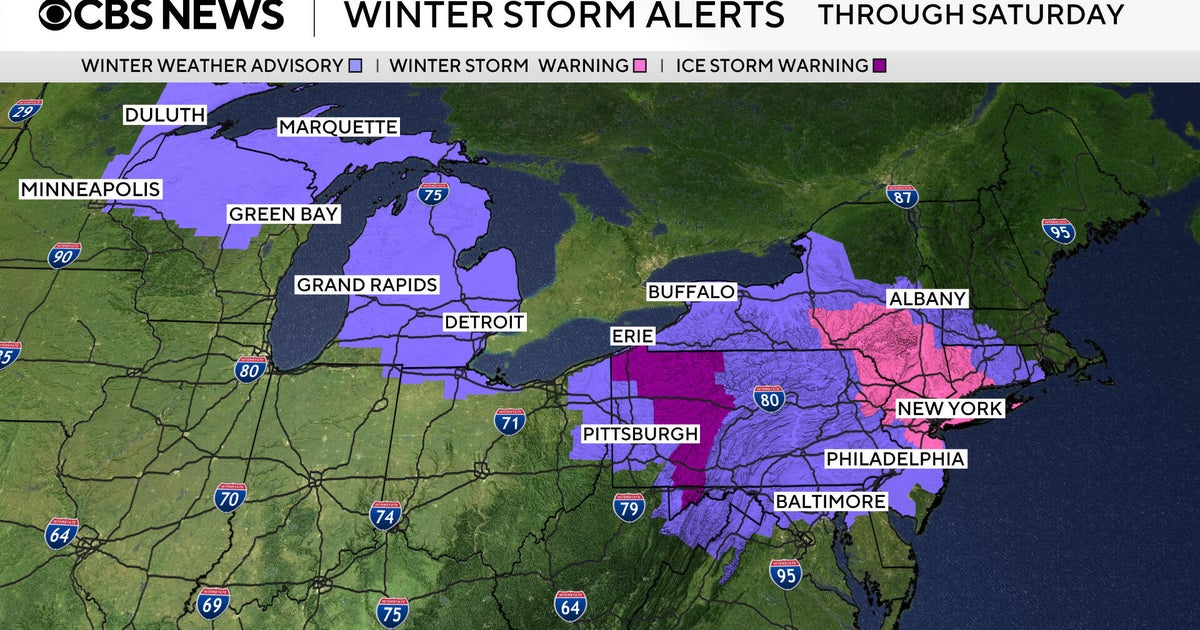

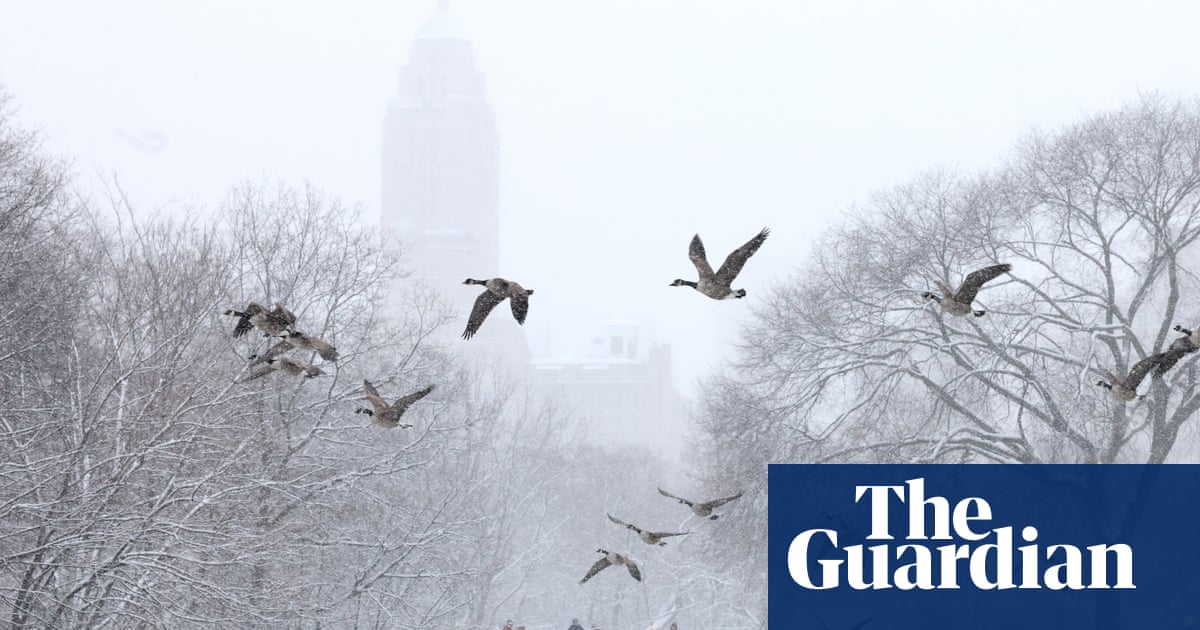
A powerful winter storm sweeping across the Great Lakes and U.S. Northeast has disrupted one of the busiest travel periods between Christmas and New Year’s, bringing heavy snow, sleet, and freezing rain to millions of people. Liberal- and conservative-aligned outlets agree that more than a thousand flights were canceled or delayed nationwide, with some liberal reports putting the figure at over 14,400 domestic flights affected over the broader storm window and at least 1,200 preemptive cancellations on Friday alone. Both sides report that the New York City region, New Jersey, Long Island, and major hubs in the Northeast and Great Lakes bore the brunt of the disruptions, as airlines issued travel waivers, urged passengers to rebook, and warned of cascading delays. State and local officials in New York and New Jersey declared states of emergency and advised residents to stay off icy, snow-covered roads, while winter storm warnings and advisories were posted from the Upper Midwest through the Mid-Atlantic.
Coverage across the spectrum also highlights the broader meteorological and institutional context, emphasizing that this storm is part of a large winter weather system extending from the Great Lakes into the Northeast and intersecting with record or near-record year-end travel volumes. Both liberal and conservative outlets reference forecasts of significant snowfall in New York City—potentially the most in several years—along with dangerous mixed precipitation that heightens the risk of road accidents and infrastructure strain. They describe a coordinated response involving state emergency declarations, airport operations centers, airlines’ rebooking and waiver policies, and guidance from national weather agencies to communicate evolving conditions. There is shared acknowledgment that the combination of peak holiday demand, tightly scheduled airline operations, and widespread winter weather leaves little margin for error, making even well-forecast storms capable of triggering substantial travel chaos.
Areas of disagreement
Framing of severity and scale. Liberal-aligned coverage tends to emphasize the magnitude of the disruption with higher cumulative flight-impact numbers, detailed maps of hazard zones, and language underscoring how “millions” are under winter alerts, casting the storm as a major regional crisis. Conservative outlets, while acknowledging serious impacts, more often describe it as a heavy but seasonally typical winter storm that has snarled travel without dwelling as much on record-setting or exceptional framing. Liberal articles lean on superlatives around potential snowfall in New York City and the breadth of warnings, whereas conservative pieces more succinctly note cancellations and delays as part of a difficult holiday travel period.
Government and institutional response. Liberal coverage highlights state-of-emergency declarations in New York and New Jersey, frequently presenting them as prudent, proactive actions to protect public safety and keep people off hazardous roads. Conservative reporting tends to mention these measures more briefly, framing them as standard protocol during major storms and focusing less on their necessity or effectiveness. Liberal outlets give greater space to the role of public agencies—transportation departments, emergency management, and weather services—while conservative outlets center the immediate experience of travelers coping with delays and disruptions.
Airlines and accountability. Liberal-leaning sources stress how airlines are responding structurally, noting change-fee waivers, rebooking options, and the pressure of record passenger volumes on already strained systems, sometimes hinting that carriers’ tight scheduling models are vulnerable to foreseeable weather shocks. Conservative coverage generally treats the cancellations and waivers as expected operational responses to a storm, without dwelling on systemic airline practices or regulatory questions. Where liberal outlets sometimes frame the event as exposing fragilities in the broader air travel infrastructure, conservative outlets more often depict it as an unfortunate but routine weather-related setback for travelers.
Climate and long-term context. Liberal sources are more inclined—when they reference context beyond the immediate storm—to situate the event within broader patterns of volatile or extreme weather and the need for resilient infrastructure and planning, implicitly connecting it to ongoing climate and preparedness debates. Conservative coverage, at least in the sampled reporting, largely avoids climate framing and treats the storm as a discrete meteorological event impacting a single holiday period. As a result, liberal narratives more readily link present disruptions to long-term adaptation challenges, while conservative narratives focus on short-term practical consequences for roads and airports.
In summary, liberal coverage tends to frame the storm as a large-scale stress test of public infrastructure and airline systems with hints of longer-term climate and resilience concerns, while conservative coverage tends to treat it as a significant but seasonally normal winter event that has inconvenienced holiday travelers without implying broader structural or environmental critique.
Story coverage