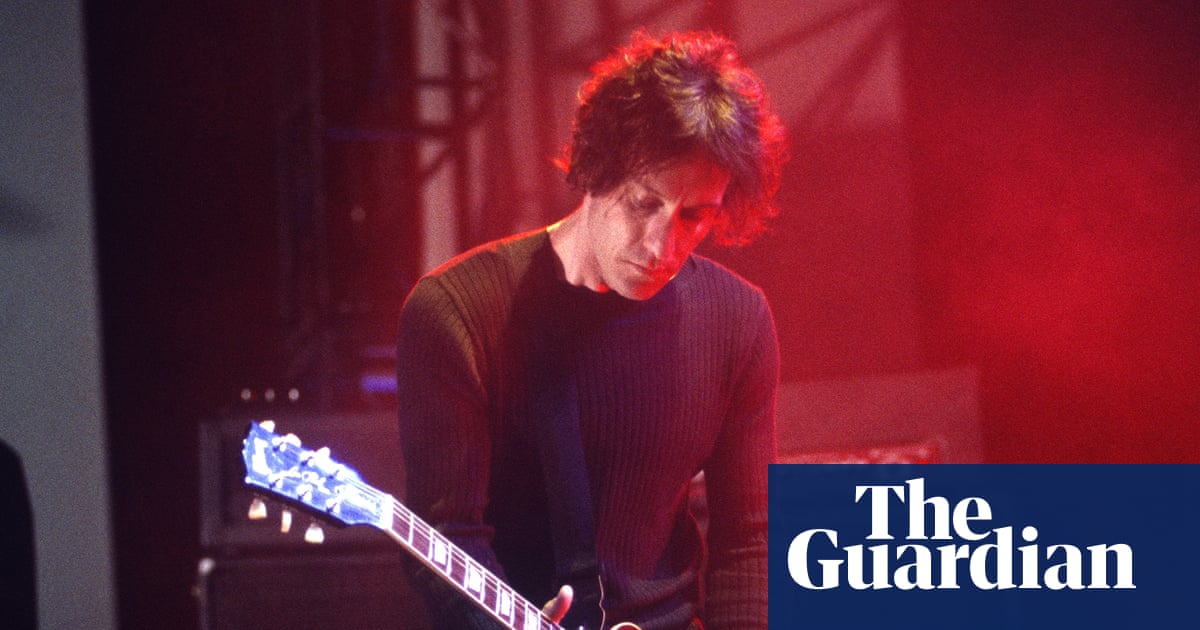


Perry Bamonte, longtime guitarist and keyboardist for the Cure, has died at the age of 65 following what is widely described in liberal-leaning outlets as a short illness, with conservative outlets offering little to no distinct coverage or factual divergence. Liberal sources agree that he played a major role in the band’s history, particularly during the early 1990s, contributing to key albums such as “Wish” and “Wild Mood Swings,” and performing on hundreds of shows across multiple tours. They consistently note that Bamonte was part of the lineup inducted into the Rock & Roll Hall of Fame in 2019 and emphasize his musical versatility, shifting between guitar, keyboards, and other instruments as needed by frontman Robert Smith and the group.
Those same liberal-leaning reports also converge on a broader context that frames Bamonte as a central figure in the Cure’s evolution from post-punk and goth roots toward more expansive, guitar-driven alternative rock in the 1990s, highlighting how his playing shaped the band’s live and studio sound. They mention his parallel work in side projects and his later career as an illustrator, portraying him as a multi-disciplinary artist rather than a supporting sideman alone. The institutional backdrop of the Rock & Roll Hall of Fame, the band’s longstanding influence on alternative music, and the close-knit nature of the Cure’s rotating lineup are presented in similarly respectful, commemorative terms, with no substantial factual or interpretive dispute evident between ideological camps due to the near-absence of explicit conservative coverage.
Areas of disagreement
Emphasis and framing. Liberal-aligned outlets frame Bamonte’s death almost exclusively as a cultural and artistic loss, foregrounding his creative contributions, the emotional responses of fans, and the legacy of the Cure in alternative music, while conservative outlets, where they mention the story at all, treat it as a brief entertainment news item without extended reflection. Liberal coverage tends to offer detailed timelines of his tenure, nostalgic commentary on specific albums and tours, and quotes about his importance within the band’s internal dynamics. Any sparse conservative mentions, by contrast, confine themselves to the core facts of his death, age, and role in the band, largely omitting broader cultural or historical framing.
Cultural significance. Liberal sources present Bamonte as emblematic of a particular era in British alternative rock, stressing how his work helped cement the Cure’s status as a defining band for disaffected youth and subcultures worldwide, while conservative coverage does not substantially engage with these generational or subcultural themes. Liberal reporting often situates his contributions within discussions of gothic and alternative aesthetics, the evolution of 1990s rock, and the band’s intergenerational fanbase. Conservative-leaning spaces that reference the news, when they do, tend to avoid deeper cultural analysis, positioning the story as a niche music-world obituary rather than a broader cultural touchstone.
Political or social angles. Liberal-aligned outlets keep the coverage mostly apolitical but still connect Bamonte’s work to themes of emotional vulnerability, outsider identity, and the enduring relevance of alternative music to marginalized listeners, while conservative outlets generally make no such links. Where liberal sources allude to the Cure’s long-standing resonance among audiences who feel alienated or outside mainstream norms, conservative mentions stay within a narrow entertainment frame and do not draw out any social or ideological implications. This creates a subtle difference in how the same musical legacy is interpreted—as socially meaningful versus simply historically notable.
In summary, liberal coverage tends to treat Bamonte’s death as a moment to revisit the Cure’s artistic and cultural significance in depth, while conservative coverage tends, when it appears at all, to limit itself to brief factual notices that do not elaborate on his broader impact.