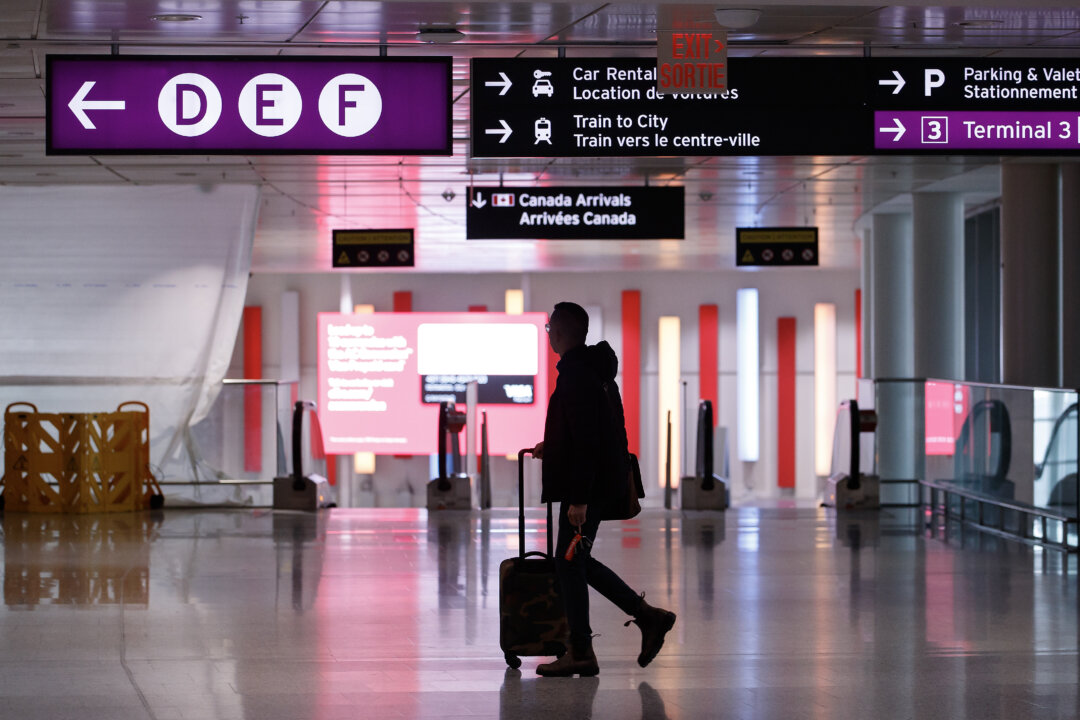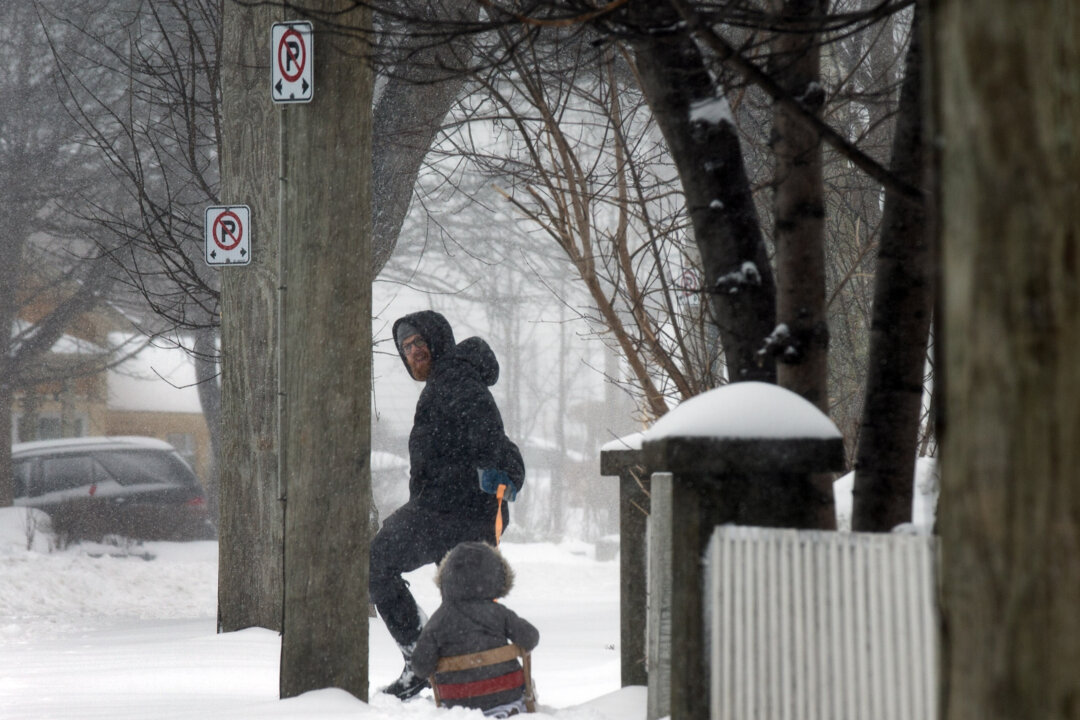
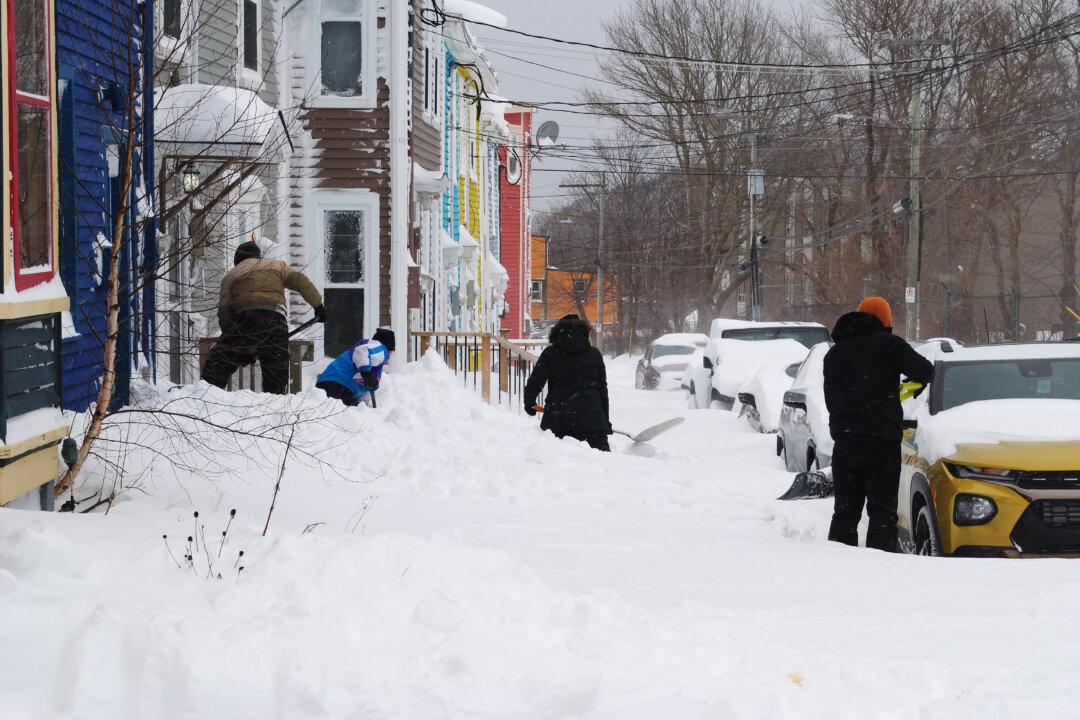
Northern and western Canada are facing a broad winter storm and deep freeze, with temperatures in parts of the Yukon plunging below -50C and much of the country seeing a mix of heavy snow, strong winds, freezing rain, and ice pellets. Environment Canada and Environment and Climate Change Canada have issued widespread weather alerts, ranging from yellow storm warnings for localized but potentially hazardous conditions to orange warnings in parts of Newfoundland where multiple severe weather types and prolonged disruptions are expected. Major population centres in southern Ontario, including Toronto and surrounding regions, are under freezing rain and snowfall alerts, and northern Ontario is bracing for substantial snow and ice accumulation, while Newfoundland and Labrador’s east coast is preparing for blizzard-like conditions and heavy snowfall. Across Toronto, adverse weather has disrupted travel at Pearson International Airport, where flight delays on Christmas Day were attributed to resource constraints compounded by winter weather, and has affected ground transit and shoppers contending with snow and freezing rain on Boxing Day.
Liberal-leaning coverage emphasizes the broader meteorological context, highlighting a persistent polar vortex parked over northern Canada that has driven an extended deep freeze, significantly increased energy demand, and raised concerns over potential grid stress and power outages. Both liberal and conservative outlets situate the winter storm within the framework of official institutions such as Environment Canada, NAV CANADA, and local transit agencies, relying on their warnings and operational updates to explain why transportation systems, shopping districts, and regional infrastructure are strained during the holiday period. They also agree that the storm is unfolding against an unusual North American backdrop in which parts of the United States are experiencing record-warm conditions at the same time as Canada’s cold spell, illustrating the continent-wide complexity of current weather patterns. Shared reporting underscores that the combination of atmospheric dynamics, holiday travel and shopping demand, and finite operational capacity in aviation and transit agencies is shaping how Canadians experience and respond to this winter storm.
Areas of disagreement
Framing of severity and risk. Liberal-aligned outlets frame the deep freeze as an exceptional and prolonged event, focusing on extremely low temperatures in northern Canada, the intensity of the polar vortex, and systemic risks such as power outages and energy demand spikes. Conservative sources acknowledge severe conditions but present them more as a challenging yet typical Canadian winter storm, emphasizing color-coded warning levels and suggesting that most areas face localized impacts with limited damage. The liberal framing leans toward highlighting climatic extremes and stress on critical infrastructure, while conservative coverage more often normalizes the event within recurring seasonal hazards and day-to-day disruptions.
Causes and broader climate context. Liberal coverage connects the deep freeze to larger atmospheric patterns, especially the behavior of the polar vortex, and juxtaposes Canada’s cold with record warmth in parts of the United States to imply growing climate volatility. Conservative outlets largely keep the discussion at the level of immediate weather forecasts and advisories, avoiding explicit linkage to climate change or long-term trends and instead treating the storm as a discrete meteorological episode. Where liberal sources hint that such extremes may fit into a pattern requiring policy and infrastructural adaptation, conservative reports tend to sidestep that interpretive layer and stick to short-term, event-based explanations.
Institutional performance and preparedness. Liberal-aligned reporting, where it appears, tends to foreground the strain on systems like the power grid and the potential for failures under sustained extreme cold, suggesting that current infrastructure may be ill-prepared for compounding stresses. Conservative coverage centers more on operational responses, such as Environment Canada’s graduated warning system, NAV CANADA’s identification of resource constraints at Toronto Pearson, and transit agencies’ guidance to use public transportation during poor road conditions. In doing so, liberal narratives subtly question structural resilience and long-term planning, while conservative narratives emphasize that institutions are actively managing disruptions within existing capacities.
Social and economic impacts. Liberal coverage is more inclined to treat the storm as a public-safety and equity issue, stressing how extreme cold and possible outages disproportionately endanger vulnerable populations and require robust social protections. Conservative outlets give more attention to consumer behavior and economic activity, highlighting Boxing Day shoppers braving the storm, transit availability to support commerce, and the effort to keep airports and businesses operating through the holiday period. As a result, liberal sources foreground human vulnerability and collective protection, while conservative sources foreground continuity of economic life and individual adaptation to harsh conditions.
In summary, liberal coverage tends to stress the storm’s exceptionality, systemic vulnerabilities, and links to broader climatic and infrastructural challenges, while conservative coverage tends to normalize the event as a manageable seasonal hazard, focusing on operational responses, economic activity, and short-term disruptions.
Story coverage