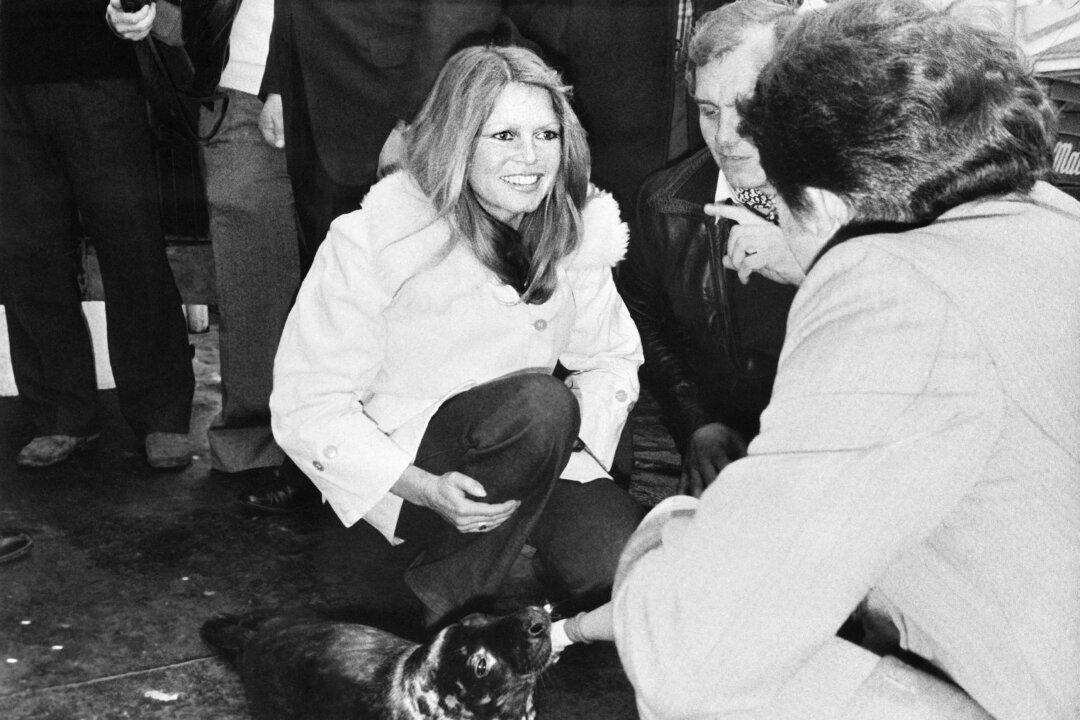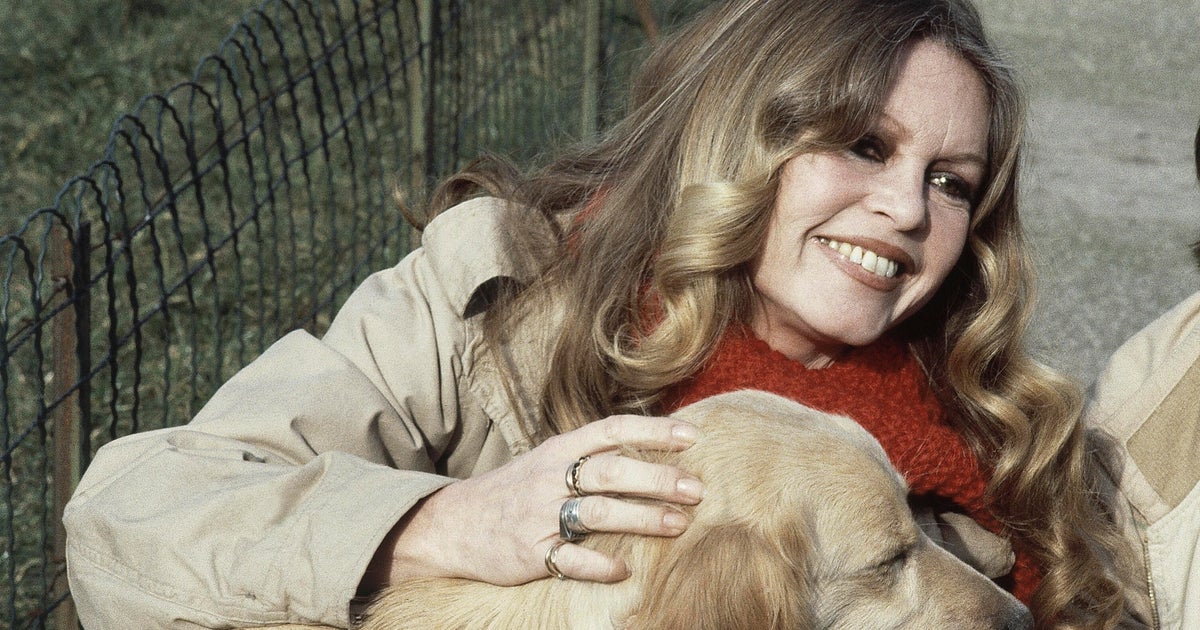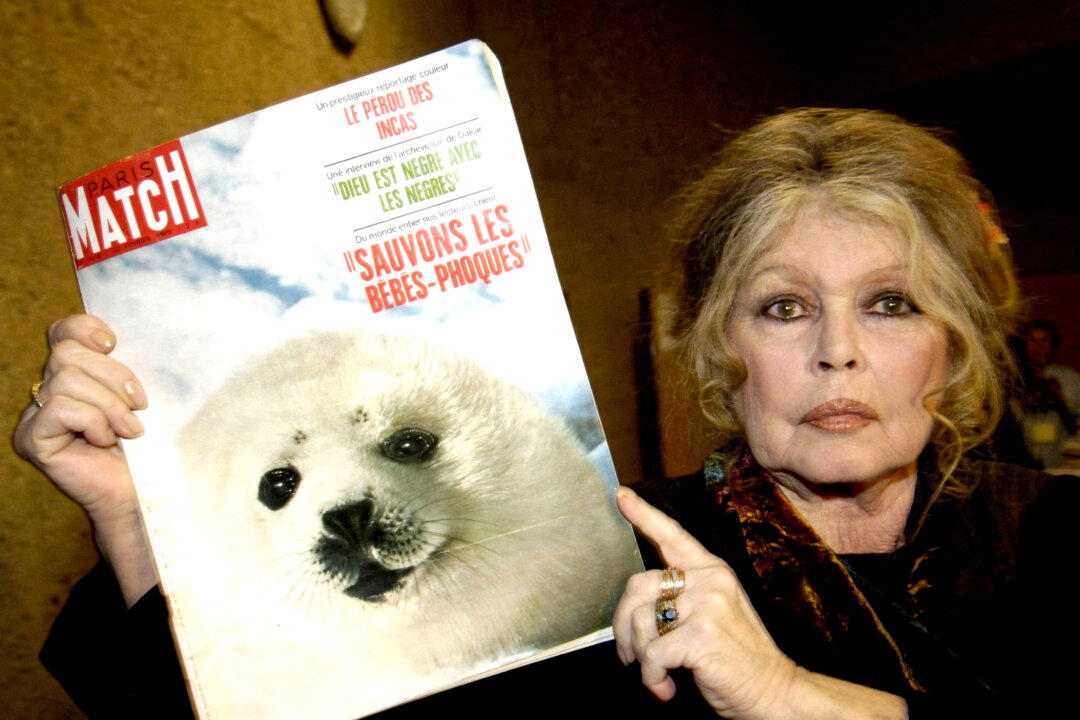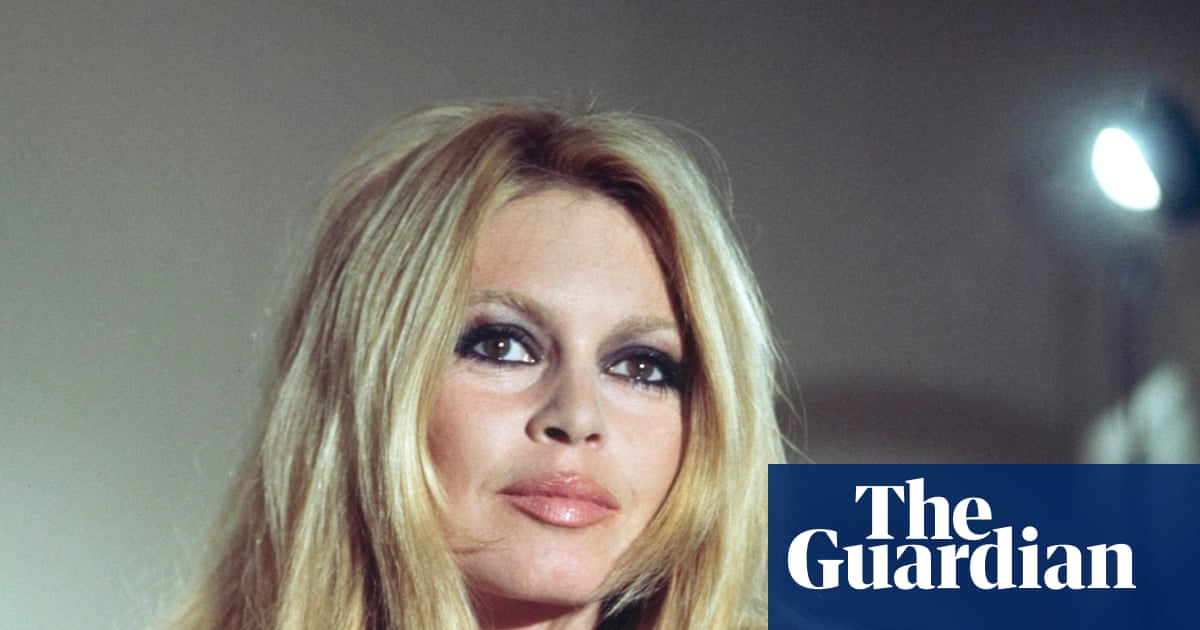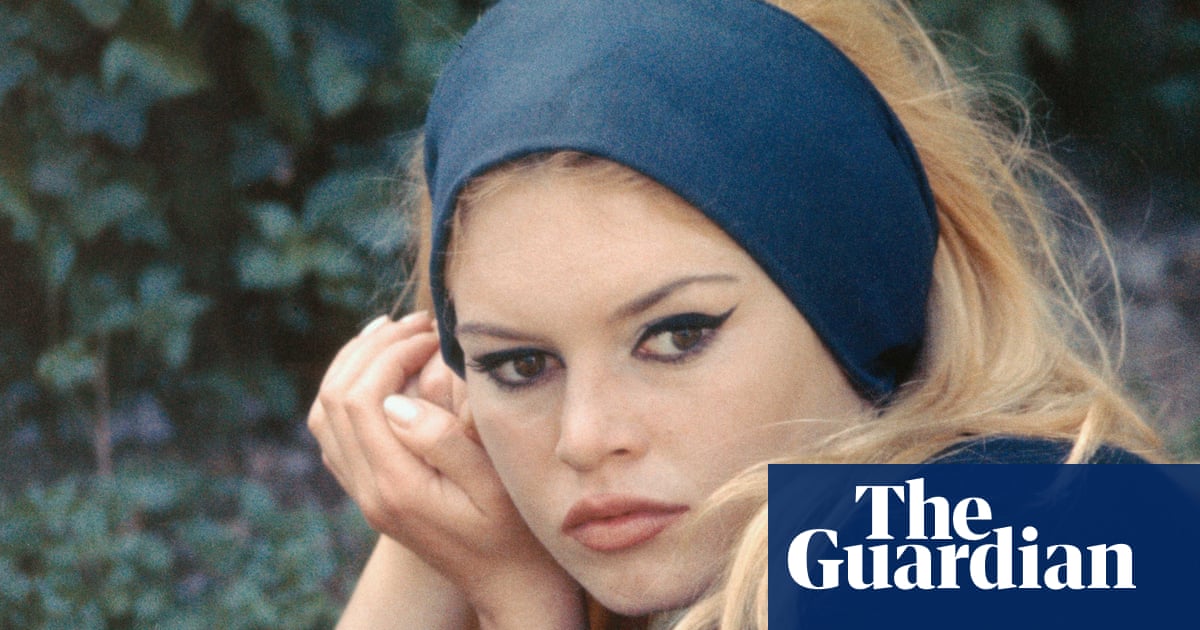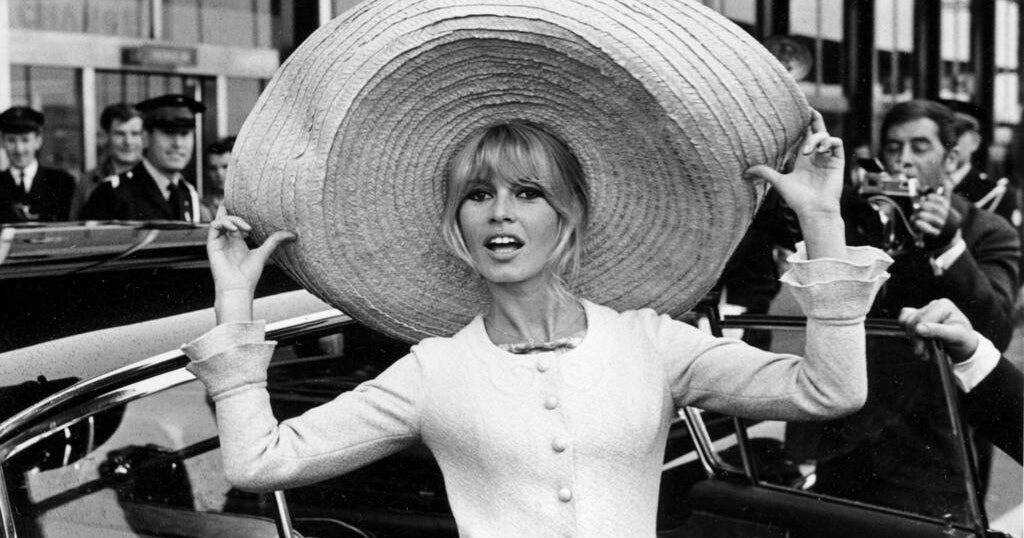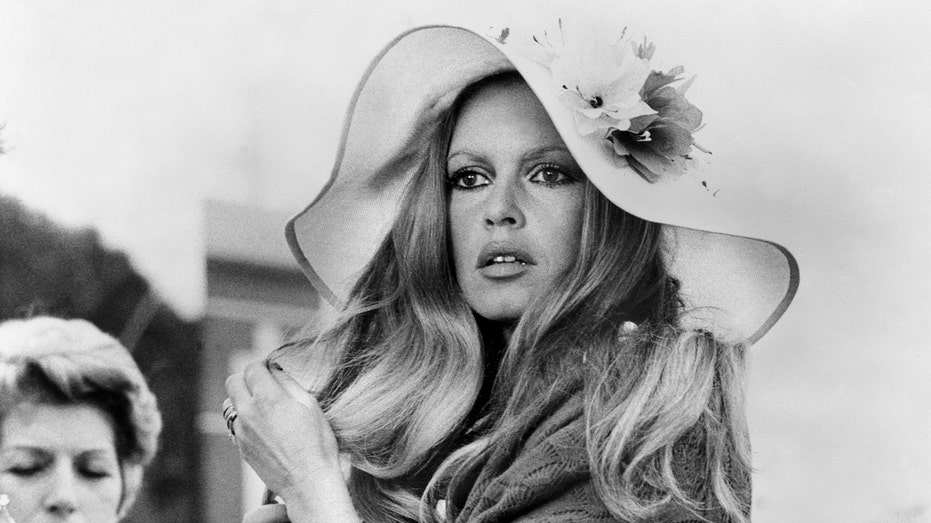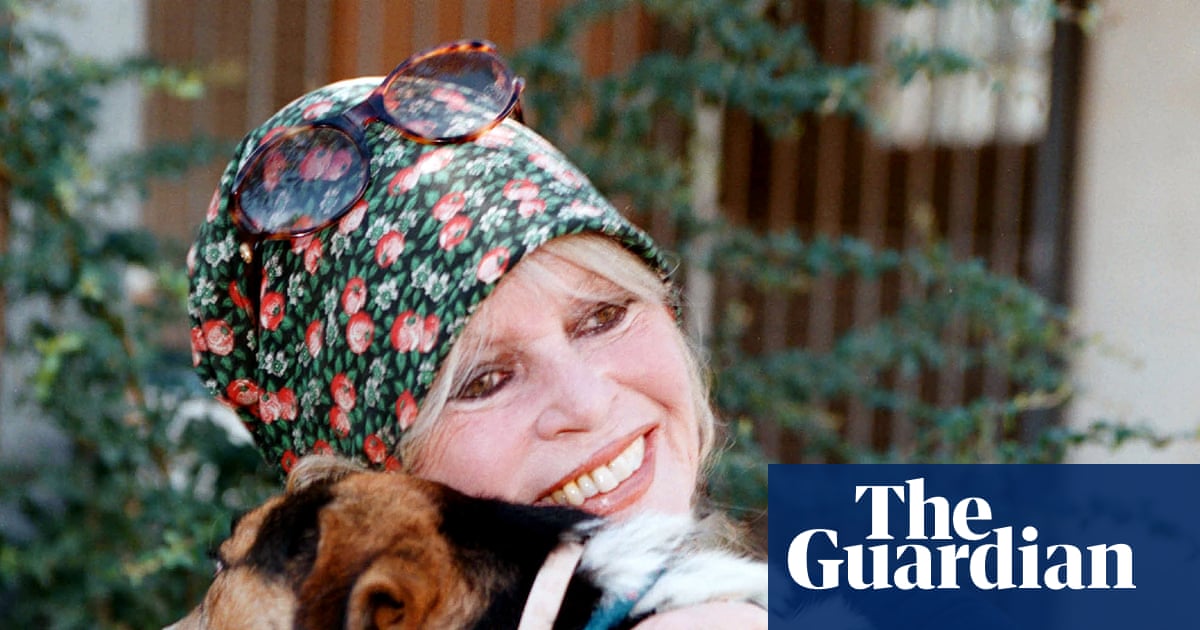




Brigitte Bardot, the French film star and 1960s sex symbol, has died at the age of 91, with news of her death announced by her animal rights foundation and widely reported across outlets. Liberal and conservative sources agree on the basic contours: she became an international icon after films such as “And God Created Woman,” retired from cinema in her late 30s/early 40s at the height of her fame, and then devoted herself to animal welfare causes through her foundation, notably campaigning against cruelty such as baby seal hunts. Both sides emphasize her role as a defining image of postwar France and global popular culture, her instantly recognizable style (from off‑the‑shoulder tops to ballet flats), her status as a model for the bust of Marianne, and the outpouring of official tributes, including from President Emmanuel Macron, who cast her as a symbol of freedom and of passionate commitment to animals.
Coverage also converges on a shared context that her legacy is complex, shaped by a blend of cinematic innovation, celebrity culture, and later political controversy. Outlets across the spectrum stress that Bardot embodied a new, more openly sensual femininity in postwar Europe, worked with notable directors, and influenced fashion and cultural norms well beyond France. They further agree that, after cinema, she refocused her public life on animal rights activism and social conservatism, and that in her later decades she repeatedly faced legal sanctions in France for inflammatory comments about immigrants and Muslims. Both liberal and conservative reports frame her as a figure who captured the zeitgeist of the 1950s–60s and then reinvented herself as a high-profile activist whose views divided public opinion.
Areas of disagreement
Emphasis on glamour versus politics. Liberal-aligned outlets devote significant space to Bardot’s filmography, gender politics, and fashion legacy but consistently pair this with detailed scrutiny of her far-right views and hate-speech convictions, presenting her glamour and politics as inseparable in assessing her legacy. Conservative outlets, while acknowledging her right-leaning positions and controversies, generally foreground her status as a cinema legend and animal defender, often framing the political aspect as background or a late-life footnote. This leads liberal coverage to balance celebration with critique, whereas conservative coverage more often preserves a nostalgic, largely celebratory tone.
Framing of far-right alignment and hate-speech cases. Liberal sources explicitly characterize Bardot’s support for the French far right and Marine Le Pen’s party as central to understanding her later years, repeatedly referencing her multiple convictions for inciting racial hatred and quoting her harsh language on immigration and Islam. Conservative outlets tend to mention her social conservatism and legal troubles briefly, if at all, usually without extended quotations or exploration of the harms claimed by critics. As a result, liberal coverage frames her political engagement as a serious stain on her reputation, while conservative reporting more often treats it as a controversial but secondary dimension of an otherwise admirable life.
Treatment of national reaction and symbolism. Liberal reports highlight that official tributes and cultural commemorations in France are themselves contested, noting politicians and commentators who resist uncritical celebration because of Bardot’s rhetoric and far-right ties. Conservative coverage stresses broad national mourning and unity, amplifying Macron’s praise and her iconic status as Marianne’s face, and tends to downplay or omit the internal French debates about whether and how to honor her. Thus liberal outlets underscore a divided public memory, while conservative outlets stress consensus and national pride around her cultural symbolism.
Assessment of her activism and moral legacy. Liberal outlets often present Bardot’s animal rights work as earnest and consequential but juxtapose it with her exclusionary politics, raising questions about whose suffering she prioritized and how compassion for animals coexisted with hostility toward minority groups. Conservative sources describe her animal advocacy in more unambiguously laudatory terms, portraying her as a principled figure who sacrificed stardom for a cause and rarely interrogating the ethical tension between her activism and her rhetoric about immigrants and Muslims. This leads liberals to portray her moral legacy as deeply conflicted, whereas conservatives tend to cast it as fundamentally heroic with some acknowledged blemishes.
In summary, liberal coverage tends to present Bardot as an iconic but deeply polarizing figure whose artistic brilliance and style are inseparable from a troubling record of far-right politics and hate-speech convictions, while conservative coverage tends to focus on her cinematic stardom, national symbolism, and animal rights activism, treating her controversial views as secondary or context rather than defining features.
Story coverage