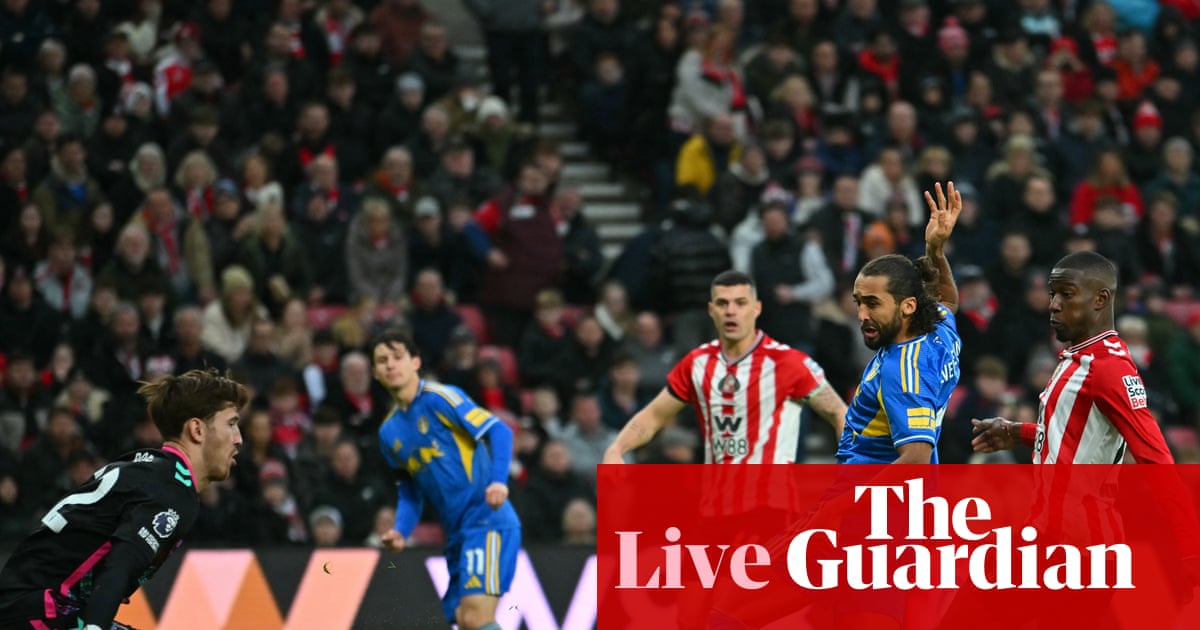
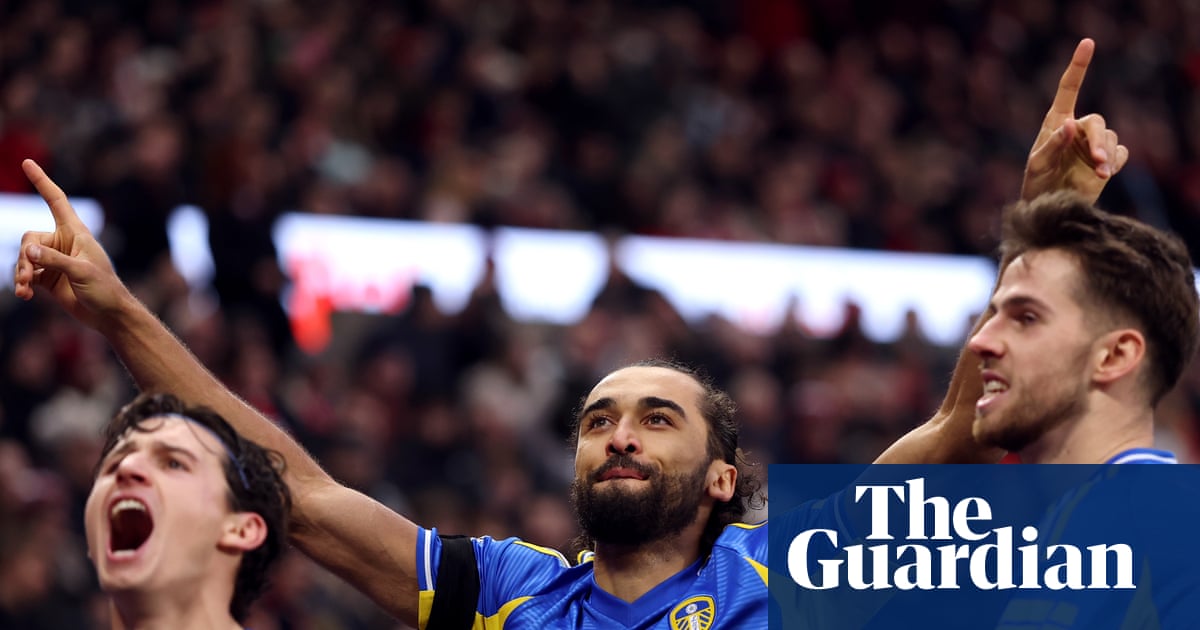
Leeds United’s 1-1 draw away at Sunderland is reported as hinging on Dominic Calvert-Lewin’s latest decisive contribution, with coverage agreeing he scored Leeds’ equaliser and extended a prolific run of seven goals in his last six matches. Liberal-aligned outlets concur that Sunderland took the lead before Leeds fought back, that the result yielded a valuable away point, and that Daniel Farke’s in-game tactical changes were influential in shifting momentum toward Leeds after they had fallen behind.
Across the coverage, there is broad agreement that Calvert-Lewin’s current form amounts to a notable resurgence, with his performance framed as part of a wider narrative about his rehabilitation as a top-level striker and his growing case for an England recall. Reports also align in portraying both Sunderland and Leeds as sides playing at a level that suggests they could compete higher up the pyramid, with Leeds’ resilience and organization under Farke cited as evidence of a coherent project and Sunderland’s competitiveness underlined by their ability to take the lead and test an in-form Leeds team.
Areas of disagreement
Emphasis on individual vs. collective. Liberal-aligned sources foreground Calvert-Lewin’s personal resurgence and potential England recall, using his goal streak as the main lens through which to understand the match, while largely subsuming the rest of the team under his narrative. In the absence of identifiable conservative reporting, one would expect right-leaning outlets to balance that by stressing collective discipline, defensive structure, and managerial pragmatism over star-focused storytelling. Liberal coverage tends to cast the draw primarily as another chapter in Calvert-Lewin’s comeback story, whereas conservative-leaning analysis would more likely frame it as a tactical and structural contest in which no single player should dominate the interpretation.
Managerial pressure and performance. Liberal sources explicitly highlight how Calvert-Lewin’s form has eased pressure on Daniel Farke, tying the striker’s goals directly to the manager’s job security and narrative arc. In a typical conservative framing, the emphasis would likely shift toward holding Farke more strictly accountable for points dropped and scrutinizing whether tactical decisions earlier in the game contributed to Leeds falling behind in the first place. Thus, liberal coverage leans toward a sympathetic portrayal of Farke as a manager successfully adjusting and evolving, whereas conservative-leaning coverage would be more inclined to stress accountability, missed opportunities, and the risks of overreliance on one player.
Framing of club trajectories. Liberal outlets describe both Leeds and Sunderland as playing at or near a level that implies they can aspire to a higher tier, presenting an optimistic, upward-looking trajectory for both clubs. A conservative approach, by contrast, would more likely stress the hard realities of promotion races, budget constraints, and institutional stability, questioning whether one good performance each is enough to justify claims about being ready for a higher level. As a result, liberal coverage tends to accentuate potential and ambition, while conservative-leaning coverage would be expected to stress caution, consistency, and the need to prove such form over a longer period.
In summary, liberal coverage tends to personalize the match through Calvert-Lewin’s resurgence and present an optimistic, manager-sympathetic and upwardly mobile narrative for both clubs, while conservative coverage tends to be inferred as more structurally focused, skeptical about over-optimistic trajectories, and more insistent on collective responsibility and sustained proof over time.