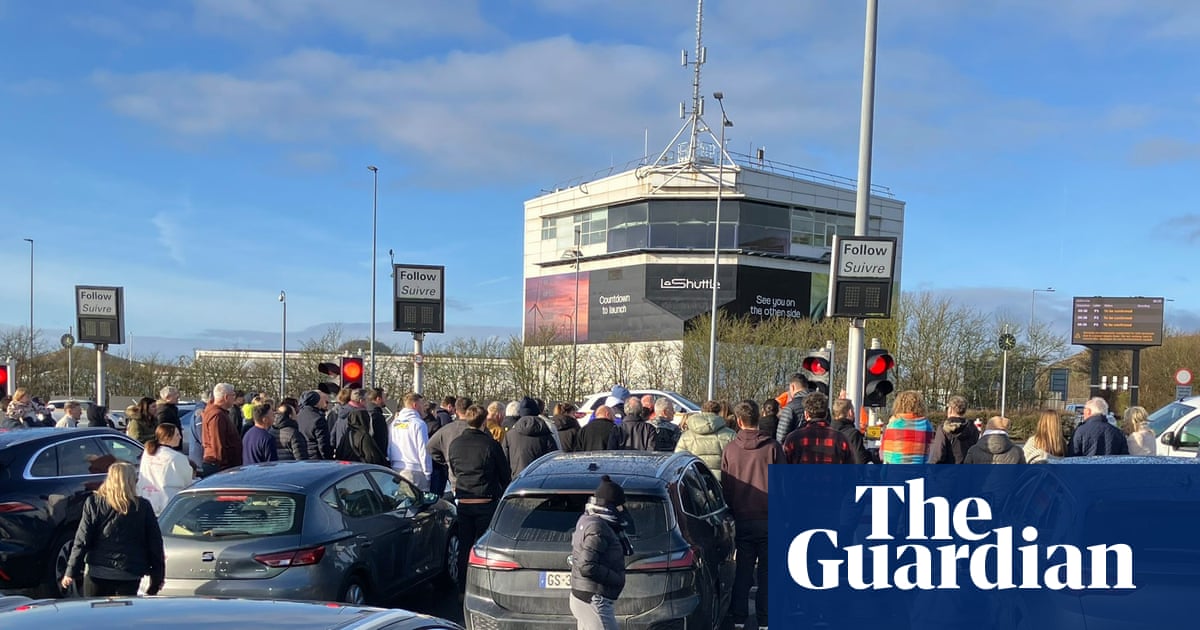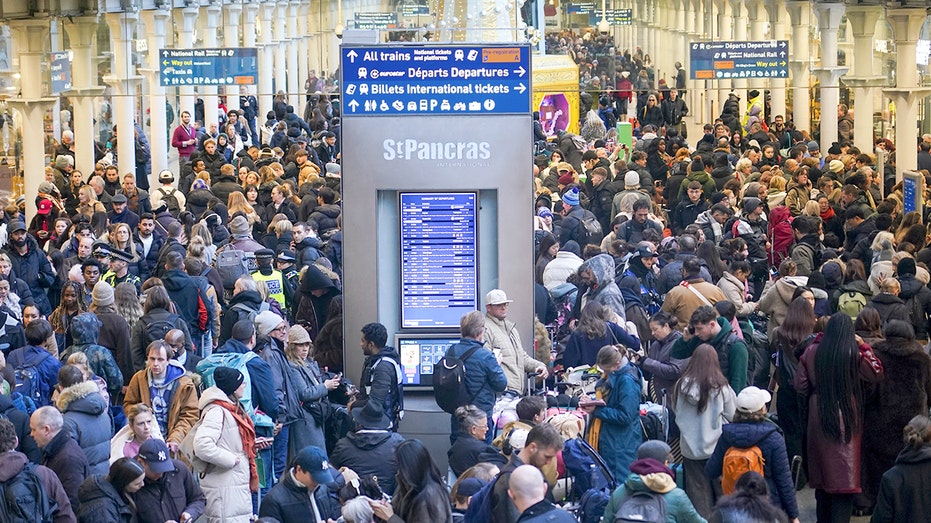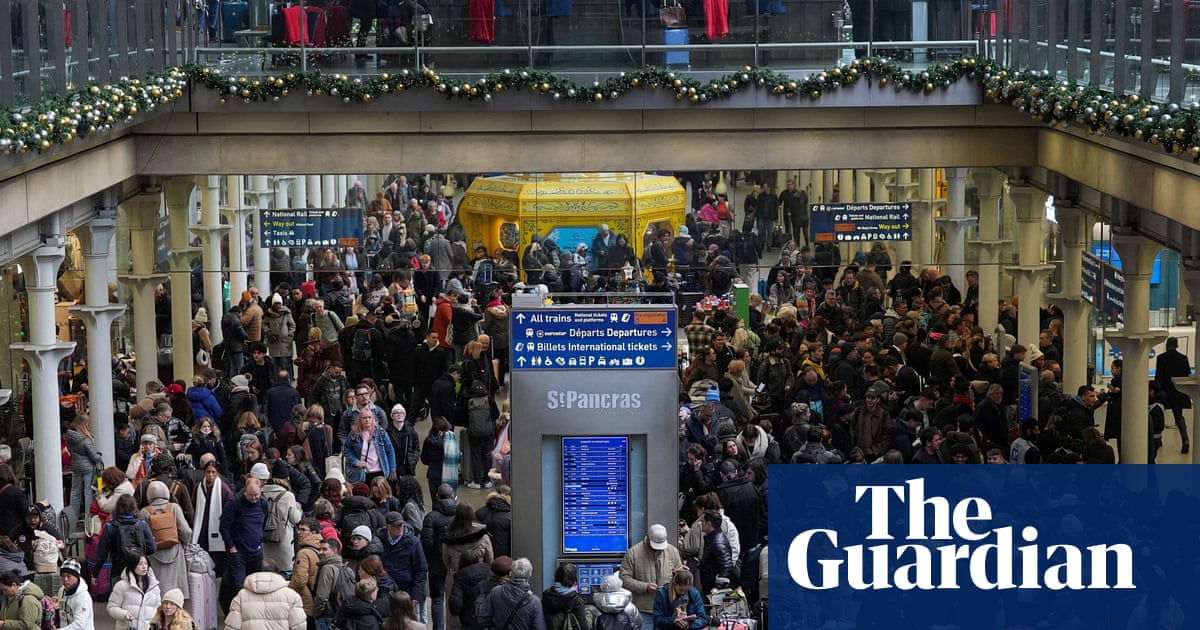

A power outage in the Channel Tunnel, linked to a problem with the overhead power supply and a failed or stuck LeShuttle train, led to the suspension of all Eurostar and vehicle shuttle services between the UK and France during a peak New Year and end-of-year holiday travel period. Both liberal- and conservative-aligned outlets agree that thousands of passengers were affected, with trains halted for several hours, significant delays and cancellations, and Eurostar services to and from London St Pancras canceled for at least a full day. They also concur that passengers were advised to rebook for another date and that some travelers were stranded as services were gradually restored.
Coverage from both sides describes engineers working to repair the fault, with limited services resuming on a single track by Tuesday evening and LeShuttle moving toward a gradual restart. Both sets of outlets provide similar institutional context, noting Eurostar as the main passenger rail operator and LeShuttle as the vehicle service, and they frame the disruption as a serious operational failure of critical cross‑Channel infrastructure rather than an intentional act or broader security incident. Across the spectrum, reporting characterizes the cause as a technical power supply problem compounded by a train failure, and portrays the main short‑term remedies as engineering repairs, partial service resumption, and passenger rebooking or alternative travel via other rail operators.
Areas of disagreement
Responsibility and blame. Liberal-aligned coverage tends to emphasize the technical nature of the power outage and the specific overhead supply failure and train malfunction, presenting it primarily as an operational mishap without heavily assigning fault to operators or regulators. Conservative-aligned outlets, while acknowledging the same causes, more readily stress that trains were "stuck" and passengers "stranded," with language that implicitly highlights service providers’ failure to maintain reliability. Liberals largely frame it as an unfortunate but contained infrastructure problem, whereas conservatives more often suggest systemic shortcomings in how the route is managed during peak demand.
Framing of passenger impact. Liberal sources describe "thousands" of disrupted journeys and "significant inconvenience," but tend to balance this with details on repair efforts and partial resumption, giving the impression of a serious yet managed crisis. Conservative outlets more vividly foreground ruined vacations and indefinite stranding, foregrounding human frustration and uncertainty over resolution timelines. As a result, liberal coverage leans toward a procedural and logistic narrative, while conservative reporting heightens the sense of chaos and disruption for individual travelers.
Institutional performance and resilience. Liberal-aligned reporting highlights engineers’ work in restoring power and notes the gradual reopening of a single track, implying that the system, while strained, is responsive and capable of recovery. Conservative sources more often underscore how critical holiday traffic was severely affected and suggest that contingency planning and redundancy were inadequate, even when referencing the same repair efforts. Thus, liberals underline institutional competence under pressure, whereas conservatives use the episode to question the resilience and preparedness of cross-Channel rail operations.
Communication and customer care. Liberal outlets briefly mention advice to rebook and some alternative arrangements, generally treating these as standard mitigation steps in a disruption of this scale. Conservative reporting more explicitly cites passengers being told to rebook for another day, highlights the lack of clear timelines, and points to other operators like LNER stepping in, framing this as evidence that primary operators did not adequately protect customers’ plans. Where liberals see routine crisis communication in a difficult situation, conservatives cast the same actions as insufficient customer care during a major service failure.
In summary, liberal coverage tends to present the outage as a technical failure in critical infrastructure handled through engineering fixes and managed service restoration, while conservative coverage tends to spotlight the human cost, operational shortcomings, and perceived inadequacy of operators’ planning and customer support.
Story coverage