liberal
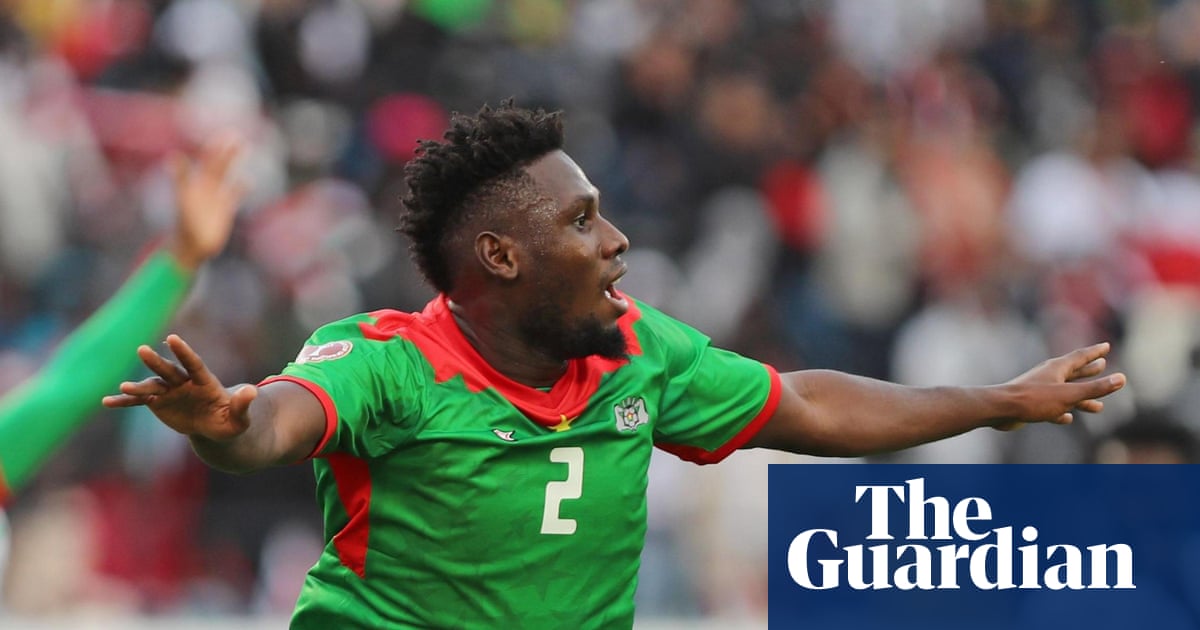
Afcon roundup: Burkina Faso sink Sudan to book place in knockouts
Sudan also qualify as one of best third-placed teams
3 months ago
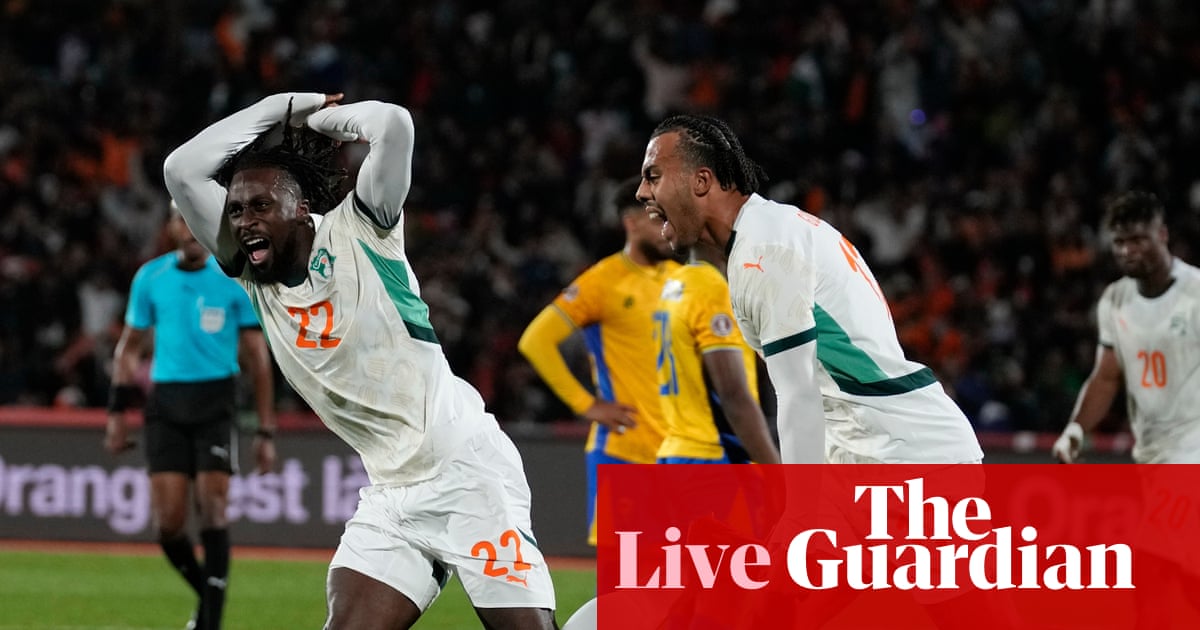
Côte d’Ivoire’s 3-2 comeback victory over Gabon in their Africa Cup of Nations qualifier in Marrakech is consistently described as a dramatic turnaround in which the Ivorians overturned a two-goal deficit within the first 21 minutes. Across outlets, reports agree that Gabon raced into a 2-0 lead before Côte d’Ivoire rallied, scoring three unanswered goals to secure the win and finish top of Group F, while other group results saw Burkina Faso beat Sudan 2-0 to clinch second in Group E and Algeria defeat Equatorial Guinea 3-1 to maintain a perfect record. Coverage also notes that Cameroon mounted a separate comeback, beating Mozambique 2-1 and taking second in their group on goal difference, helping frame Côte d’Ivoire’s win as part of a broader round of high-stakes, late-turnaround fixtures.
Liberal and conservative-leaning sports and general news outlets situate the match within the wider AFCON qualifying landscape, agreeing that the result solidifies Côte d’Ivoire’s status as a regional powerhouse and underscores the competitiveness of the group stage. They highlight the institutional significance of AFCON qualifiers as pathways to continental prestige and economic upside, emphasizing the importance of group rankings, knockout berths, and the role of host venues like Marrakech in accommodating neutral-site fixtures. Both sides frame the comeback as emblematic of the resilience expected of top African national teams, tying it to ongoing investments in football infrastructure, player development pipelines, and the growing global visibility of African competitions.
Match narrative emphasis. Liberal-aligned outlets tend to frame the match as a feel-good, attacking showcase and emotional comeback story, foregrounding Côte d’Ivoire’s resilience and the entertainment value of high-scoring AFCON ties, while giving limited attention to Gabon’s defensive collapse. Conservative-leaning coverage is more likely to stress tactical lapses and game management failures, underscoring how Gabon squandered a commanding lead and critiquing defensive organization and discipline. Where liberal sources dwell on the spectacle and momentum swing, conservative sources focus more on technical analysis and what the game reveals about both teams’ structural strengths and weaknesses.
Political and economic subtext. Liberal outlets are more inclined to weave in references to the broader symbolism of AFCON success for West African nations, mentioning soft power, national unity, and the inclusive potential of continental tournaments. Conservative-leaning coverage, when it touches politics at all, tends to underline cost-benefit questions around stadium investments, security, and the financial sustainability of frequent qualifiers and expanded tournaments. Thus, liberals cast the victory primarily as an uplifting regional narrative, while conservatives more often place it in a prudential frame of resource allocation and governance.
Player and federation accountability. Liberal coverage generally spotlights the heroics of Ivorian players and coaching staff while largely absolving individuals on the Gabonese side, treating the defeat as an unfortunate but exciting twist in a competitive group. Conservative sources more readily assign responsibility to specific defenders, goalkeepers, or coaching decisions on substitutions and tactics, and extend that scrutiny to football federations for preparation and squad depth. This produces a softer, celebratory tone on the left versus a more judgmental, performance-auditing tone on the right.
Continental vs global framing. Liberal outlets frequently situate the match within a narrative of African football’s growth and the importance of AFCON as a premier continental event that deserves parity of esteem with European tournaments. Conservative coverage, by contrast, is more likely to compare the standard and style of play to European or World Cup benchmarks, sometimes portraying AFCON qualifiers as stepping stones or auditions for global competitions and club transfers. As a result, liberals stress intrinsic continental significance, whereas conservatives emphasize how this match fits into a hierarchy of global football prestige.
In summary, liberal coverage tends to celebrate Côte d’Ivoire’s comeback as a vibrant symbol of African football’s dynamism and social value, while conservative coverage tends to treat the match as a case study in tactical execution, resource priorities, and how AFCON performances stack up against global football standards.