


liberal
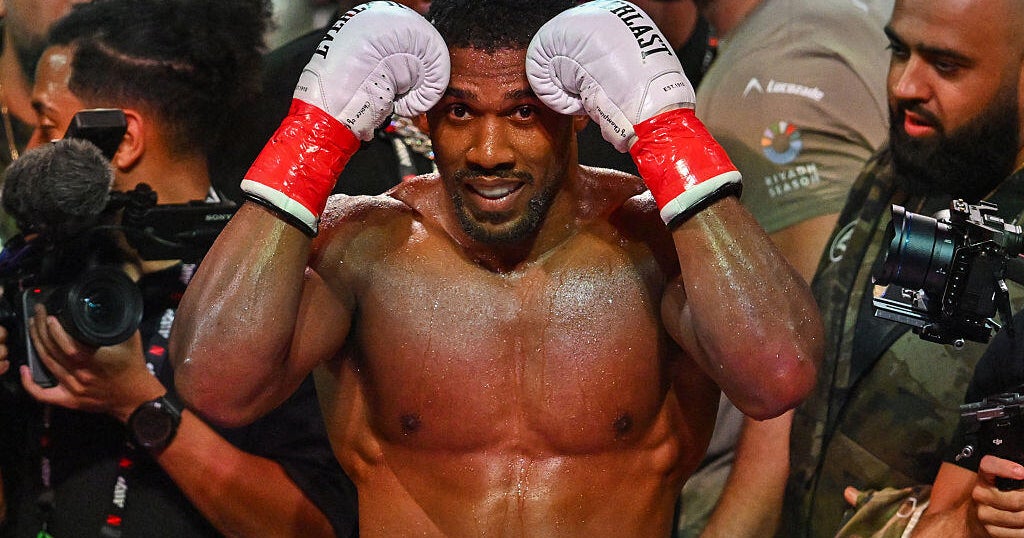
Anthony Joshua, British heavyweight champion boxer, released from hospital after fatal crash in Nigeria
British boxer Anthony Joshua was released from the hospital, Nigerian authorities said late Wednesday night.
3 months ago
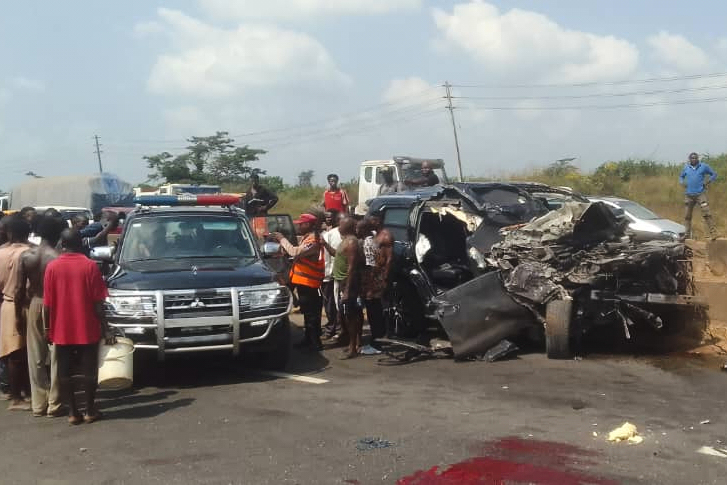
British heavyweight boxer Anthony Joshua has been released from a hospital in Lagos, Nigeria, after being treated for minor injuries sustained in a fatal road crash near Lagos in late December. Across both liberal and conservative coverage, reports agree that two of Joshua’s close associates, strength and conditioning coach Sina Ghami and trainer Latif Ayodele, died in the crash, while Joshua’s injuries were not life‑threatening. Both sides place the incident in Nigeria, note that authorities and hospital staff confirmed his discharge, and state that he was admitted only briefly before being cleared to leave.
Coverage from both liberal and conservative outlets also aligns in describing Joshua’s movements and the official handling of the aftermath: he was treated locally in Lagos, visited a funeral home to pay his respects, and the bodies of his associates were scheduled for repatriation shortly after his discharge. Both sides treat the crash as part of Nigeria’s broader struggle with frequent and often deadly road accidents, implicitly linking the tragedy to systemic road safety problems without disputing the basic institutional roles of Nigerian authorities, hospitals, and funeral services in managing the crisis.
Framing and emphasis. Liberal-aligned outlets frame the story primarily as a human tragedy that underscores Nigeria’s chronic road safety problems, devoting more space to the victims’ identities and the emotional toll on Joshua. Conservative outlets more tightly frame it as an official update on a high-profile athlete’s condition, leading with statements from Nigerian authorities and offering fewer narrative details. While liberals use the crash to segue into broader social concerns, conservatives treat it as a discrete news event anchored in official confirmation and timelines.
Systemic road safety context. Liberal coverage explicitly links the crash to rising road accident fatalities in Nigeria, invoking statistics and prior incidents to suggest structural failures in infrastructure, enforcement, and public safety policy. Conservative coverage mentions the frequency of Nigerian road accidents more briefly, focusing instead on the specific crash and the logistics of hospital discharge and repatriation. As a result, liberal narratives situate Joshua’s crash as symptomatic of a national crisis, whereas conservative narratives treat the systemic context as background rather than a central theme.
Role of Nigerian authorities. Liberal outlets tend to present Nigerian authorities as part of an underperforming system, implicitly questioning the adequacy of government responses to recurring road fatalities and using the incident to highlight long-standing governance gaps. Conservative sources, by contrast, spotlight authorities mainly as reliable sources of information, quoting their confirmation of Joshua’s release and their role in coordinating formal steps like repatriation without overt criticism. Where liberal coverage leans toward scrutinizing institutional responsibility, conservative coverage emphasizes procedural order and official communication.
Focus on victims versus celebrity. Liberal reporting devotes relatively more attention to Joshua’s deceased associates, naming them repeatedly and emphasizing their professional roles and the personal loss around them, while also noting Joshua’s minor injuries. Conservative reporting is more centered on Joshua himself as a global sports figure, briefly acknowledging the deaths but foregrounding his health status and his actions, such as visiting the funeral home. Thus liberals balance the star’s recovery with the human cost borne by lesser-known victims, whereas conservatives prioritize the celebrity update that is likely to drive international interest.
In summary, liberal coverage tends to embed Joshua’s release and the fatal crash in a wider critique of Nigeria’s road safety record and institutional shortcomings, while conservative coverage tends to highlight the official confirmation of Joshua’s condition and movements, treating systemic issues and critical commentary as secondary.