

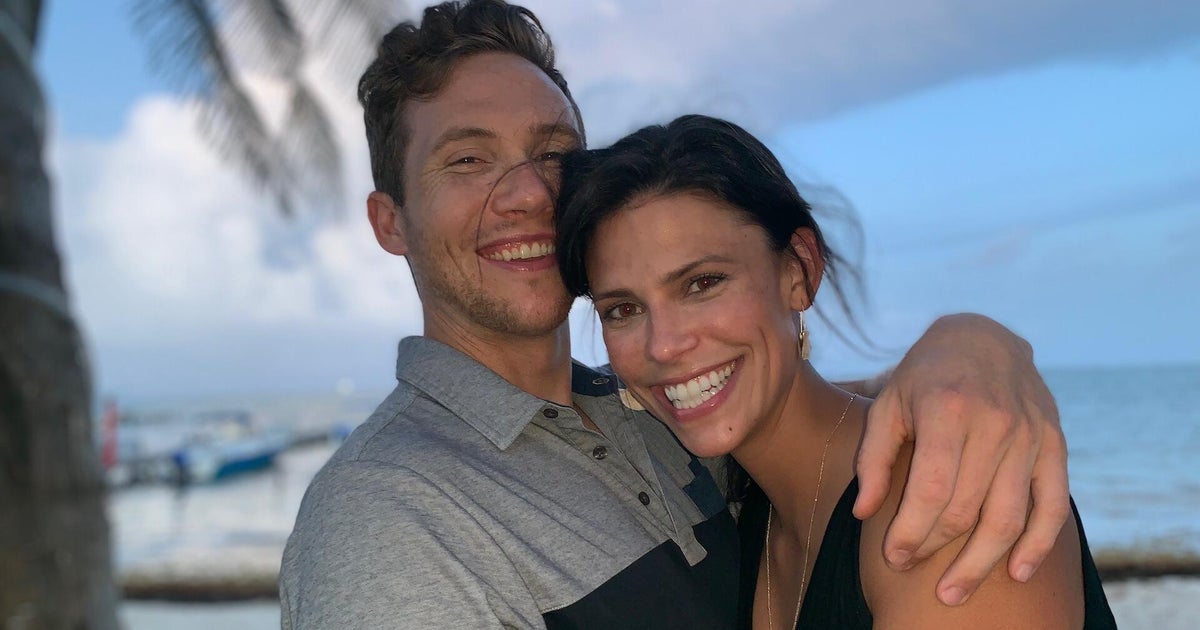
Police in Columbus, Ohio, are investigating the fatal shootings of dentist Dr. Spencer Tepe, 37, and his wife, Monique Tepe, 39, who were found dead in their home during a welfare check after he failed to show up for work. Officers discovered both victims with apparent gunshot wounds, classified the case as a double homicide, and reported that the couple’s two young children were found unharmed inside the residence. Authorities say there was no obvious sign of forced entry and no weapon recovered at the scene, and they are seeking help from the public to identify a suspect and reconstruct the couple’s final hours.
Coverage across the spectrum notes that investigators are canvassing the neighborhood, collecting digital evidence, and reviewing surveillance footage from nearby homes and businesses to determine who might have entered the house and when. Outlets emphasize that the case remains active and unresolved, with police offering limited details on potential motives or relationships between the victims and any suspect, and they stress the role of community cooperation and modern investigative tools—such as doorbell cameras and other digital recordings—in attempting to solve the crime.
Areas of disagreement
Framing of the crime. Liberal-leaning outlets tend to frame the case as a community tragedy and an example of the broader problem of gun violence, highlighting the vulnerability of families and the shock to neighbors and coworkers, while conservative outlets are more likely to present it as an isolated yet horrific homicide, focusing on the specific facts of the investigation rather than tying it to systemic issues. Liberal coverage is prone to situating the killings within conversations about public safety and firearms, whereas conservative coverage, where it appears, generally keeps a tighter focus on the who-what-when-where details and avoids drawing policy-related implications at this early stage.
Law enforcement and public cooperation. Liberal-aligned reporting emphasizes the importance of police-community collaboration and digital evidence, describing how neighbors can help by sharing security footage and stressing transparency in the investigation, while conservative sources tend to underscore the central role of law enforcement expertise and procedural rigor, portraying officers as methodically working the case. The liberal framing is more likely to question what else authorities can do to reassure residents and prevent similar incidents, while conservative coverage generally foregrounds the competence of investigators and urges patience until they release confirmed information.
Broader context and policy links. Liberal outlets are more inclined to gesture toward broader discussions about gun access, domestic safety, and urban crime patterns, even while acknowledging that motive and circumstances are not yet clear, whereas conservative outlets usually refrain from connecting this case to policy debates until more facts emerge. Liberal coverage may subtly raise issues like background checks or community support systems for at-risk families, while conservative coverage, where present, tends to resist such extrapolations and warns against politicizing a still-unfolding investigation.
Speculation and restraint. Liberal-aligned reporting often includes careful caveats against speculation but still explores possible angles—such as whether the absence of forced entry suggests the victims might have known the assailant—while adding human-interest elements about the couple’s lives and community roles, whereas conservative outlets typically exhibit stronger rhetorical restraint, repeating official statements and avoiding theorizing about motives or suspects. Liberal coverage may offer more narrative detail and emotional context, while conservative coverage focuses on verified information and limits conjecture out of concern for compromising the investigation or misdirecting public opinion.
In summary, liberal coverage tends to embed the double homicide in discussions of public safety, gun violence, and community-police relations, while conservative coverage tends to treat it as a discrete criminal case, emphasizing confirmed facts, investigative procedure, and a reluctance to extend the story into broader political or policy debates.
