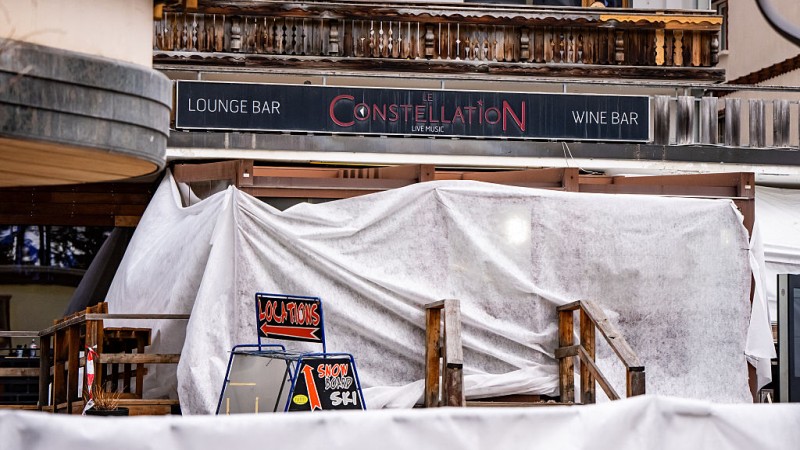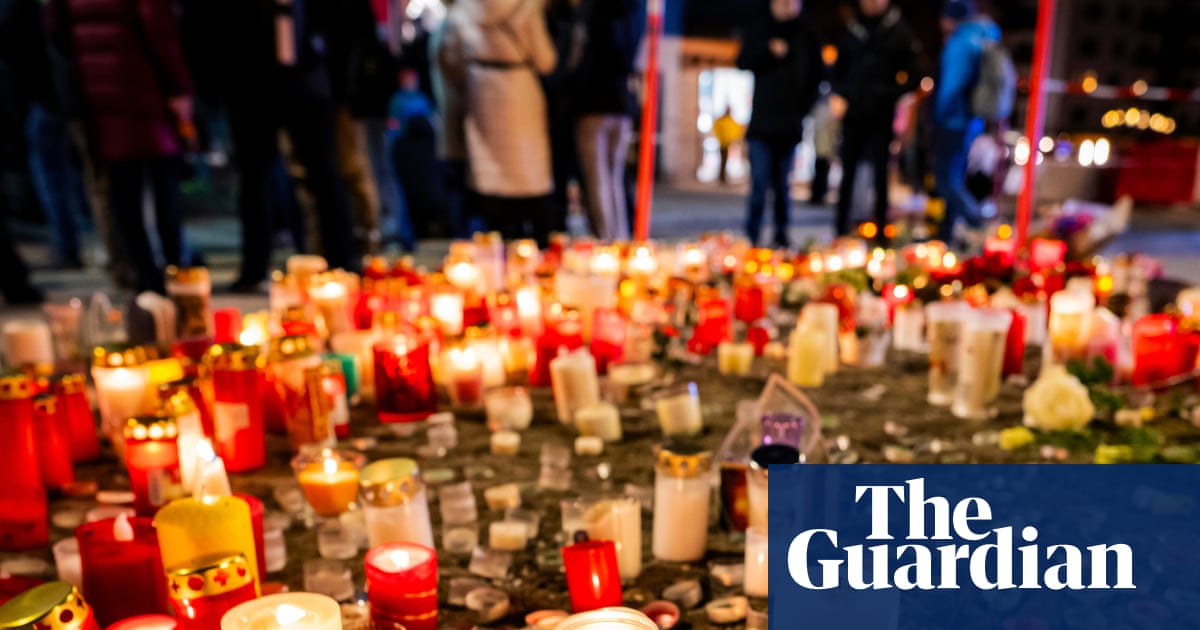



A devastating fire broke out at the Le Constellation bar in the Swiss ski resort of Crans-Montana during New Year's Eve celebrations, killing around 40 people and injuring roughly 100 to 120 more, many of them critically. Both liberal- and conservative-aligned outlets agree that the blaze began during a packed party with many young revellers, including teenagers and foreign visitors, that emergency services mounted a large-scale response with helicopters and ambulances, and that authorities are treating it as a tragic accident rather than terrorism. Coverage on both sides highlights the anguish of families waiting to learn the fate of missing loved ones, the heavy toll on the local community, and the fact that some victims remain unidentified days after the incident.
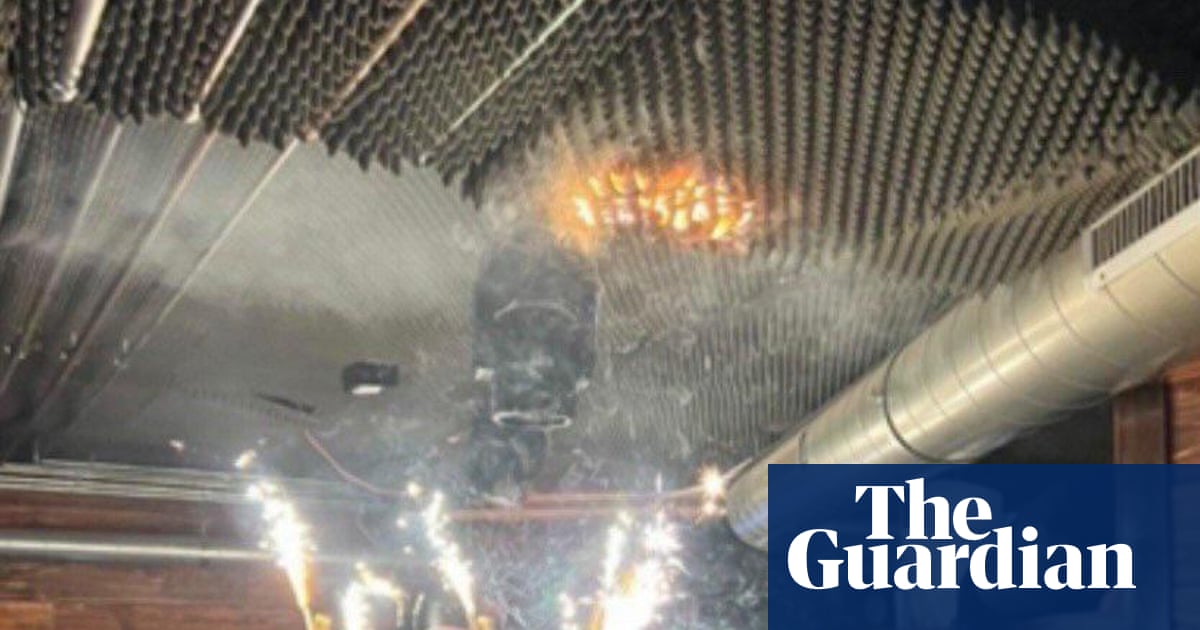
Reports from across the spectrum concur that investigators believe the fire likely started when sparklers or sparkling candles placed in or on champagne or wine bottles were held too close to the ceiling, igniting soundproofing or decorative material and causing the blaze to spread extremely quickly. Both liberal and conservative sources describe the bar as having undergone recent renovation, note that prosecutors are probing the flammability of ceiling foam and the venue’s safety setup, and emphasize that this is being called one of the worst peacetime tragedies in Switzerland in recent years. There is shared attention to the national mourning, religious services such as Masses for the victims, and the international dimension of the catastrophe, including foreign nationals among the dead and wounded and cross-border cooperation in medical care and victim identification.
Areas of disagreement
Emphasis on systemic safety failures. Liberal-aligned coverage places stronger emphasis on potential regulatory and structural shortcomings, detailing questions about fire inspections, building materials, and whether the bar complied with all safety norms. Conservative outlets acknowledge the investigation into materials and sparklers but spend less time scrutinizing regulatory oversight and more time recounting the event sequence and emergency response. While liberals frame the tragedy partly as a failure of enforcement and venue design that may require reforms, conservatives largely present it as a horrific but exceptional accident pending factual clarification.
Human stories and which victims are highlighted. Liberal sources foreground specific individuals like the British-educated 15-year-old girl and groups of young Italians, weaving these profiles into broader discussions of youth nightlife culture and cross-border tourism. Conservative coverage also tells intimate stories, such as a grieving Swiss mother and her missing teenage son, but generally keeps them within a more traditional community-grief narrative and national frame. The liberal press more frequently connects these personal stories to questions of responsibility and public safety, whereas conservative outlets stress mourning, faith services, and resilience with fewer explicit policy linkages.
Discussion of broader political or social implications. Liberal-aligned reporting tends to situate the fire within a wider debate on venue safety standards in Europe, sometimes hinting at parallels with past nightclub disasters and the need for stricter regulation or better enforcement. Conservative sources avoid extrapolating to broad political critiques and instead underscore the prosecutor’s assurance that terrorism has been ruled out, framing the incident as tragic but not symptomatic of a wider security or governance crisis. Where liberal outlets use the event to raise forward-looking questions about reforms, conservative ones focus more on closure, commemoration, and awaiting investigatory findings.
Tone toward authorities and legal accountability. Liberal coverage often adopts a more questioning tone toward local authorities and bar owners, highlighting whether prior inspections missed dangers and what legal consequences might follow if negligence is proven. Conservative reporting, while not dismissing potential accountability, tends to portray officials, prosecutors, and first responders in a more uniformly sympathetic light, emphasizing their efforts under pressure rather than interrogating past decisions. As a result, liberal articles more frequently anticipate lawsuits, regulatory changes, or official resignations, whereas conservative pieces emphasize orderly procedure and caution against premature blame.
In summary, liberal coverage tends to treat the fire not only as a human and national tragedy but also as evidence of possible systemic safety and regulatory failures that warrant scrutiny and reform, while conservative coverage tends to frame it more narrowly as a catastrophic accident, focusing on communal grief, official reassurances, and the ongoing investigation without broad political extrapolation.
Story coverage