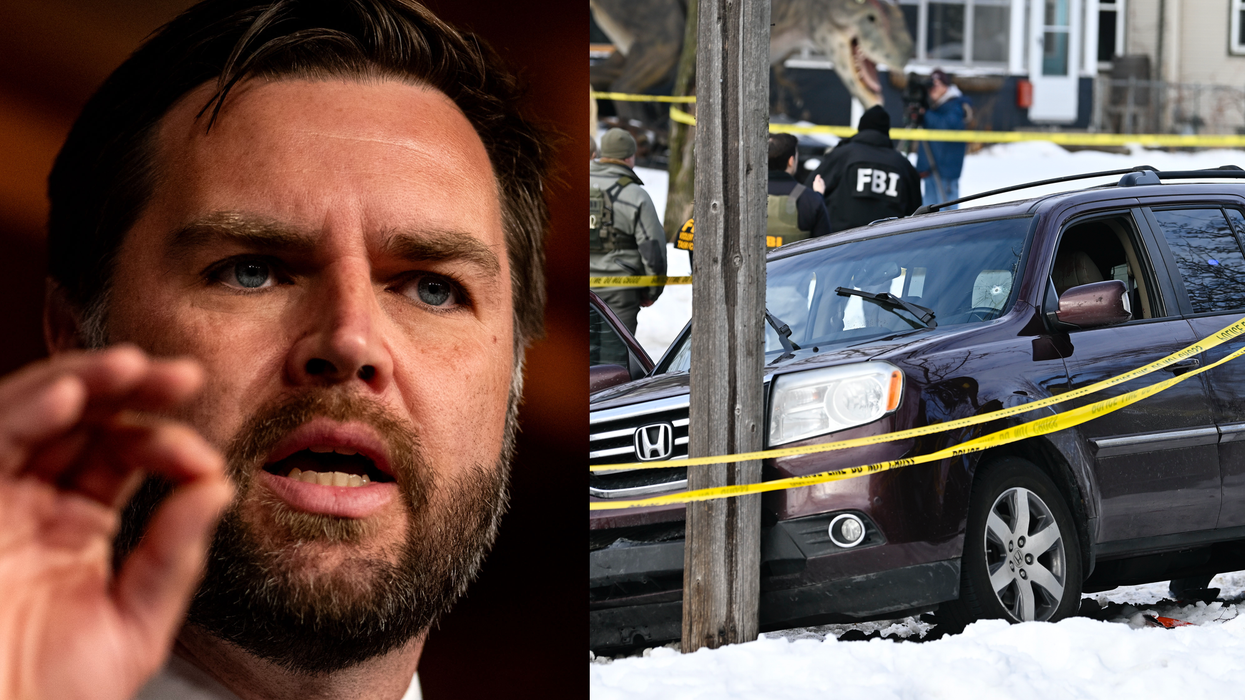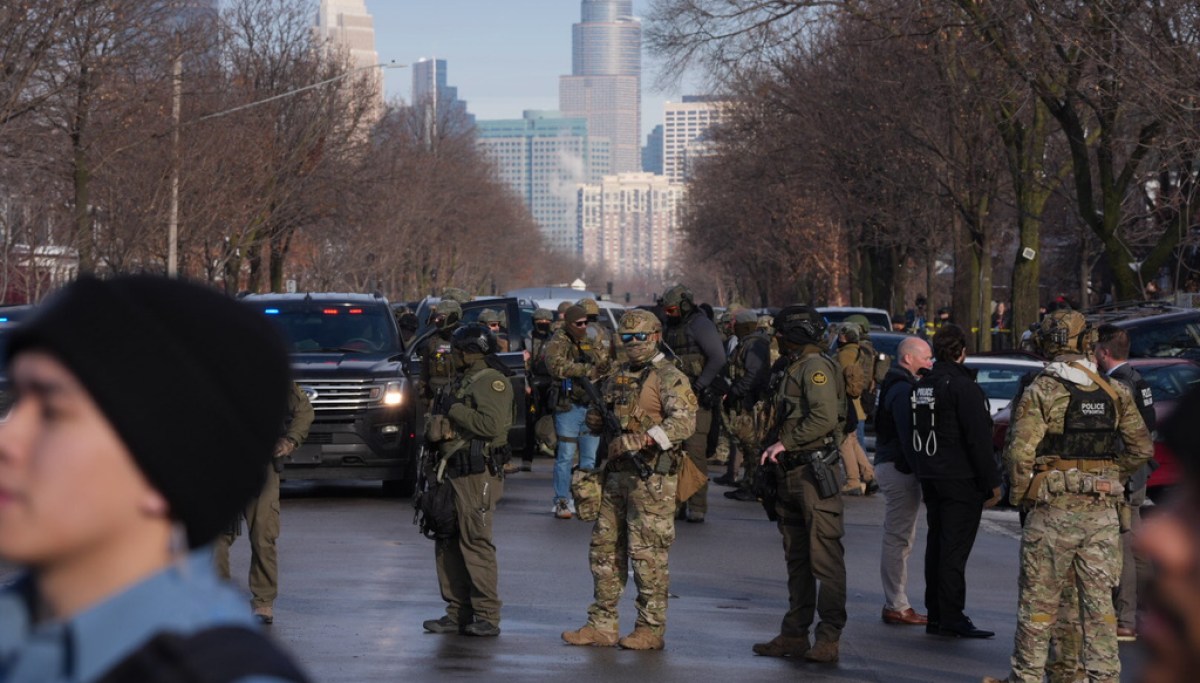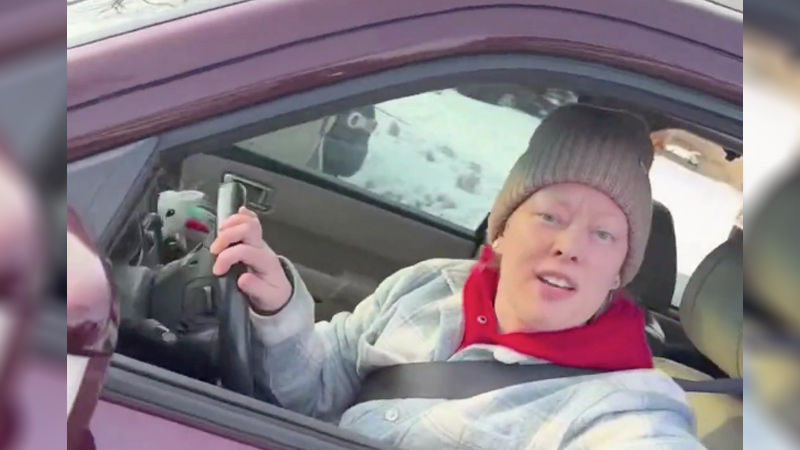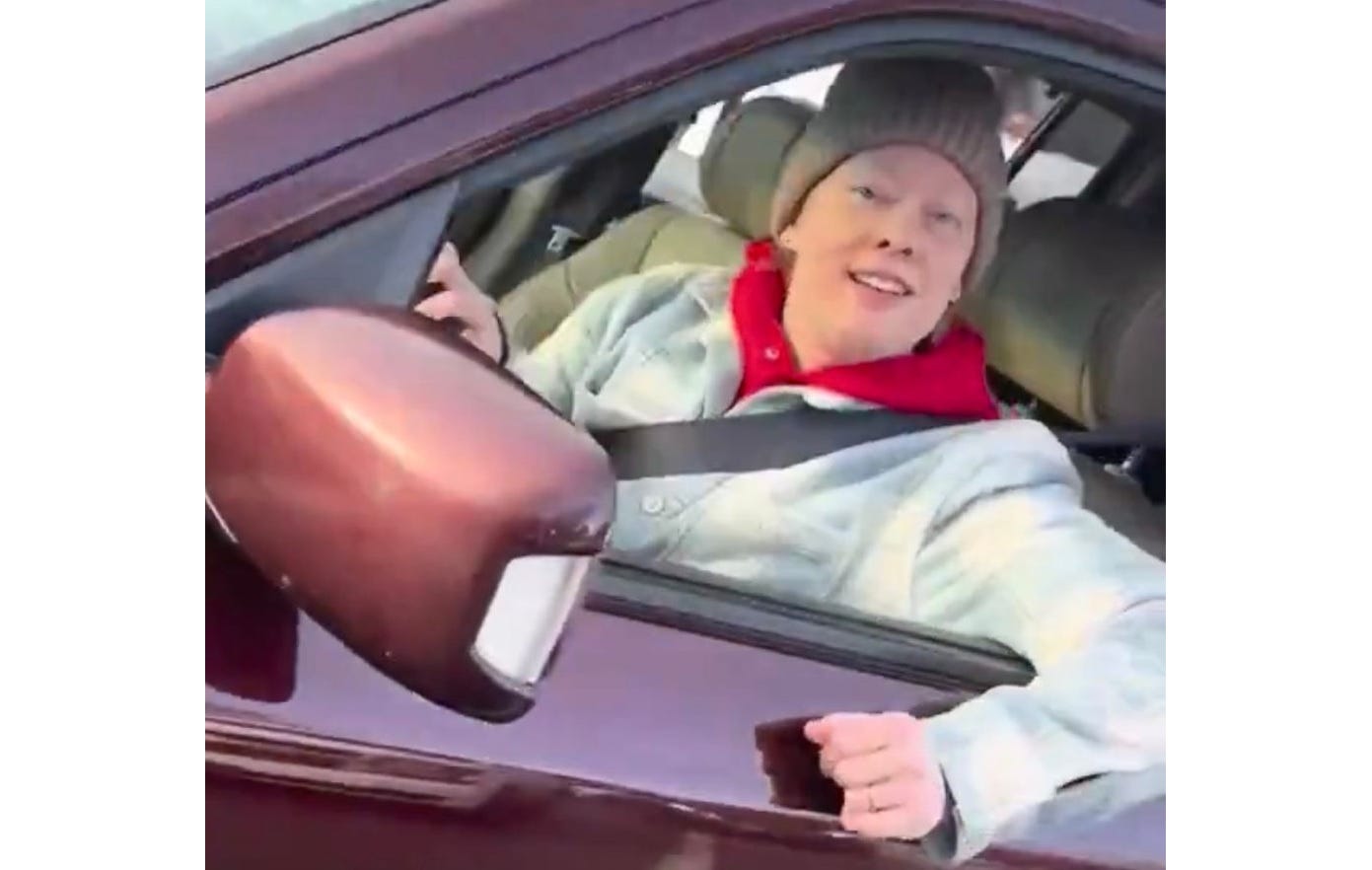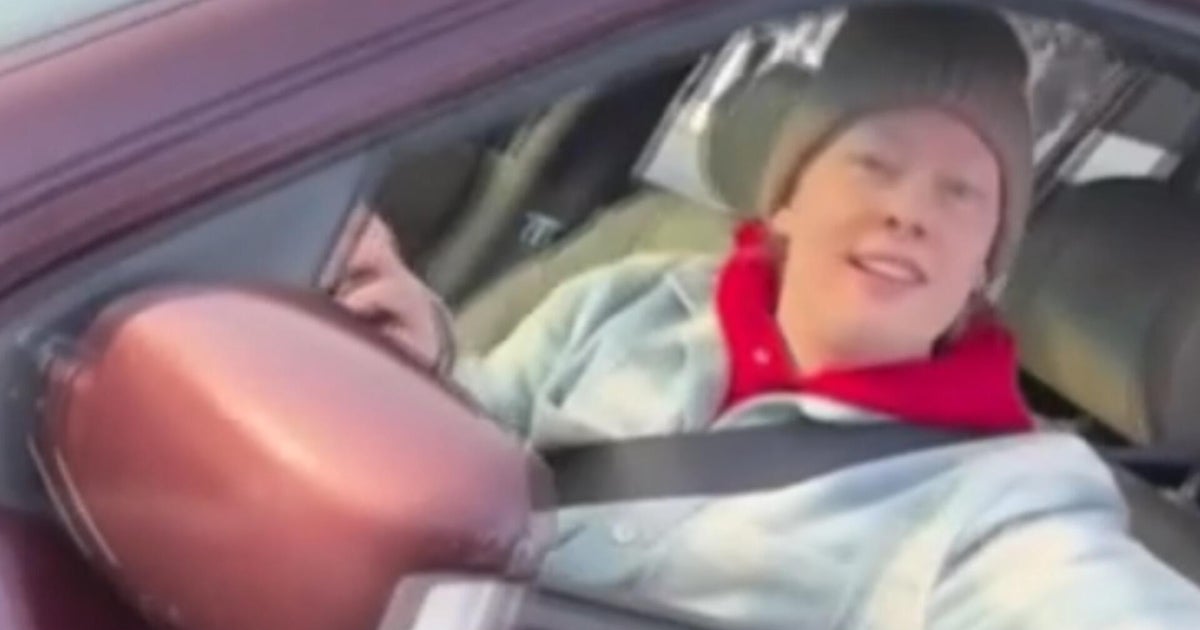




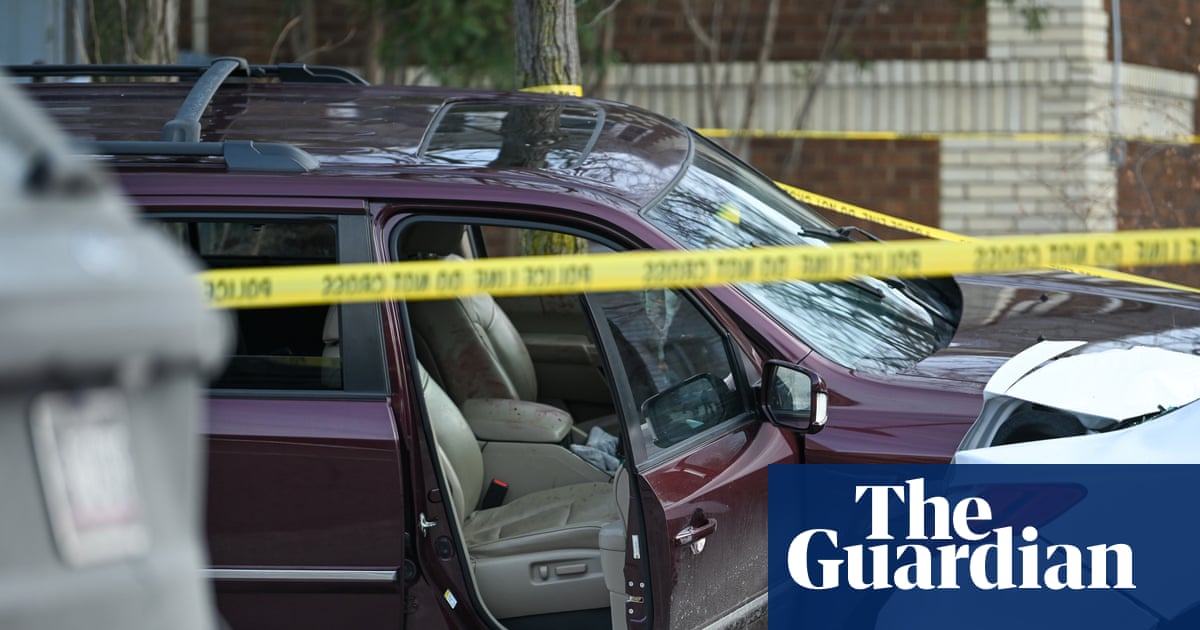
Cellphone video from the perspective of Immigration and Customs Enforcement agent Jonathan E. Ross, released publicly in early January 2026, shows the moments leading up to the fatal shooting of 33‑year‑old Renee Nicole Good during an ICE protest in Minneapolis. Across both liberal- and conservative-leaning outlets, coverage agrees that Good was in the driver’s seat of an SUV with her wife/partner beside her, that agents ordered her to exit the vehicle, that the SUV made contact with at least one agent as it reversed and then moved forward, and that Ross fired multiple shots at close range, killing Good as the vehicle moved away and collided with another car. Both sides acknowledge that a second woman loudly taunted or challenged the agents, that Good spoke calmly at points and said things like “That’s fine, dude. I’m not mad at you,” and that the agent can be heard cursing after the shooting. They also agree that the new video has become the central piece of evidence in an ongoing federal and local investigation and that it has intensified political and public debate rather than settled it.
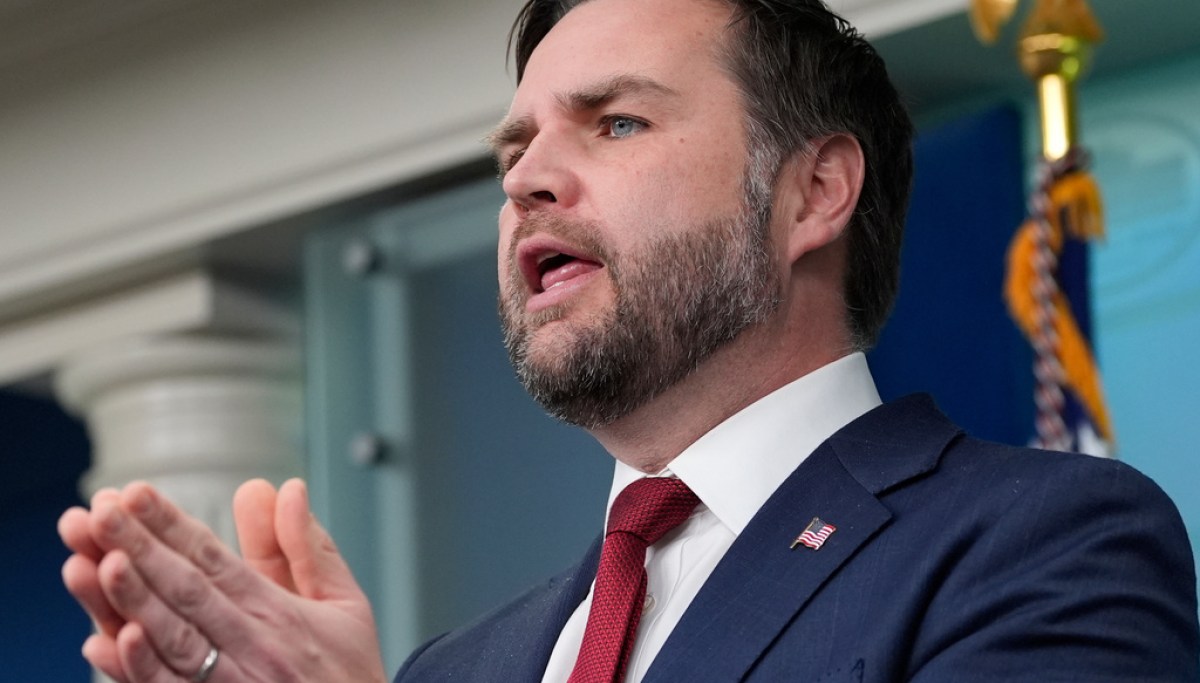
Liberal and conservative reports concur that the Department of Homeland Security and the Trump White House are framing the incident as a self-defense shooting in the course of immigration enforcement duties, with Vice President JD Vance and Press Secretary Karoline Leavitt publicly asserting that the video vindicates the agent. Outlets on both sides note that Minnesota officials, including the governor and Minneapolis mayor, have questioned federal accounts and that the release of the video followed days of protests and heated commentary over ICE’s presence and tactics in Minneapolis. There is agreement that Good was a known activist or protester engaged in opposing immigration enforcement operations, that her death has been quickly folded into broader national arguments over policing, federal authority, and the treatment of protesters, and that calls for additional transparency, independent investigation, and potential policy reform around use of force by federal officers have grown since the video surfaced.
Areas of disagreement
Nature of the threat. Liberal-aligned outlets emphasize that the vehicle appears to be moving slowly, that the agent keeps his footing when brushed by the SUV, and that Good seems to be maneuvering around rather than directly at him, suggesting the level of danger was low and the shooting excessive. Conservative outlets assert that the same video clearly shows Good reversing and then driving straight at an agent as her partner shouts “Drive! Drive! Drive!”, portraying the SUV as a deadly weapon and the officer as acting in immediate self-defense. Liberals highlight Good’s calm tone and nonthreatening words seconds before the shots, while conservatives stress her refusal to comply with commands and the vehicle’s trajectory as decisive evidence of a lethal threat.
Characterization of Renee Good and the agent. Liberal coverage tends to describe Good as a local Christian activist and protester, sometimes highlighting her kindness and humanity and framing her as a victim of an aggressive, dehumanizing ICE operation. Conservative outlets frequently label her a leftist agitator or protester who obstructed agents for minutes, implying she escalated the confrontation by blocking officers and using her car as leverage. Liberals portray the agent as an armed federal officer who needlessly escalated and then killed a civilian, pointing to his post-shooting expletive as revealing contempt, whereas conservatives depict him as a professional under siege by hostile protesters who was forced into a split-second life-or-death decision.
Interpretation of the video’s evidentiary value. Liberal-leaning sources argue that the new footage undercuts DHS and White House claims by showing no obvious moment when the agent’s life was clearly in imminent danger, and they present the video as “damning” for the official narrative. Conservative outlets frame the same clip as “shocking” proof that demolishes what they call a Democratic or media “murder” narrative, saying it confirms that Good weaponized her SUV and tried to run over a federal officer. While liberals call for independent investigation and suggest the video raises serious questions about use-of-force standards, conservatives cite it as near-conclusive justification and criticize previous coverage for allegedly ignoring or downplaying such visual evidence.
Broader political framing. Liberal coverage situates the killing within a pattern of militarized immigration enforcement and abusive policing, stressing structural issues with ICE, federal overreach in cities like Minneapolis, and the dangers faced by protesters who challenge state power. Conservative reporting embeds the incident in a narrative about biased “legacy media” and Democratic politicians, claiming they reflexively vilify law enforcement and manipulate high-profile cases for political gain. Liberals use the case to push for constraints on federal agents and reforms to reduce lethal encounters, while conservatives use it to argue for backing law enforcement, condemning anti-ICE protests, and warning about the risks posed by activist confrontations with officers.
In summary, liberal coverage tends to treat the video as evidence that federal force was disproportionate and that official self-defense claims are suspect, while conservative coverage tends to treat the same footage as validating the ICE agent’s actions and exposing what they see as a partisan rush to condemn law enforcement.