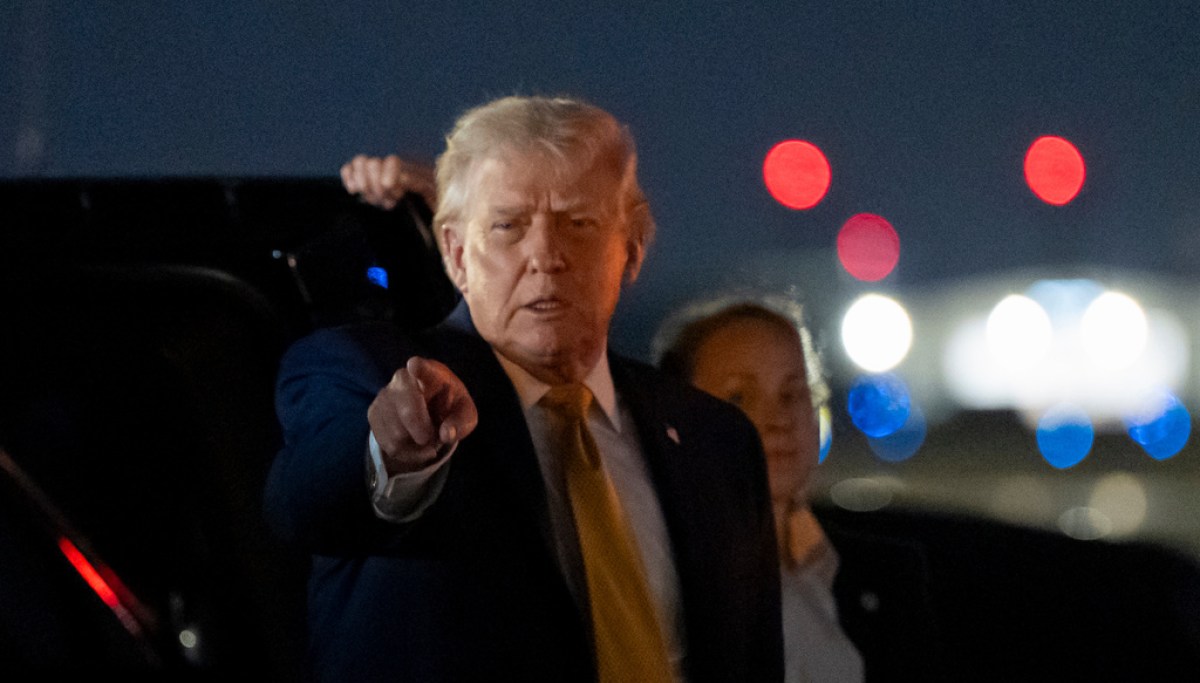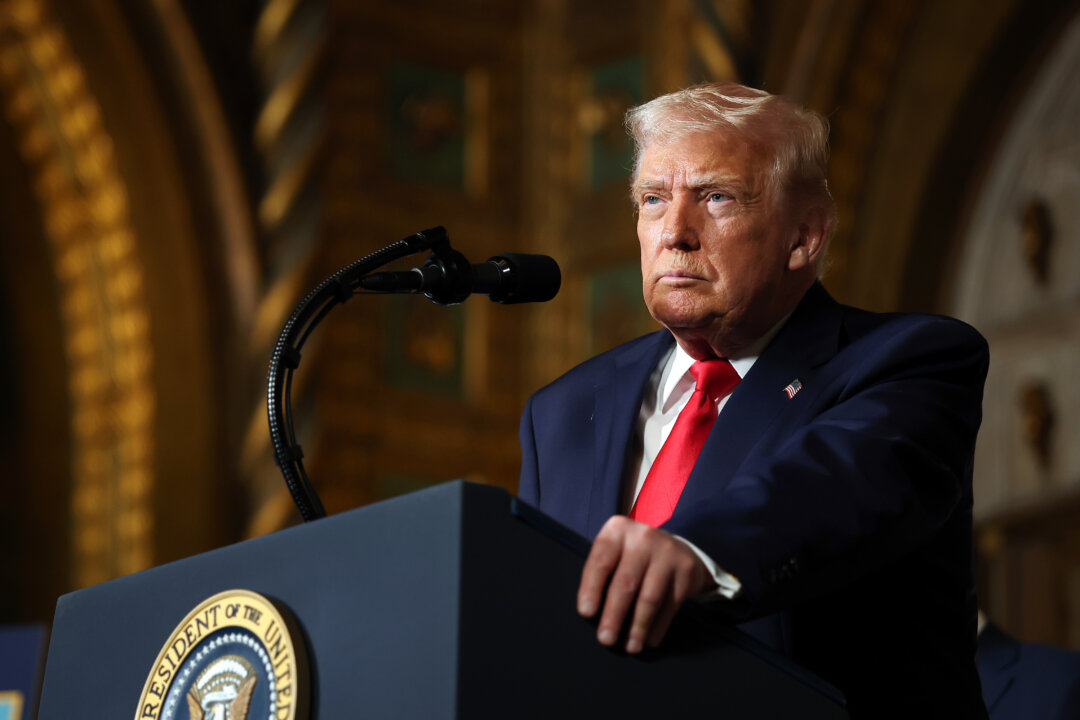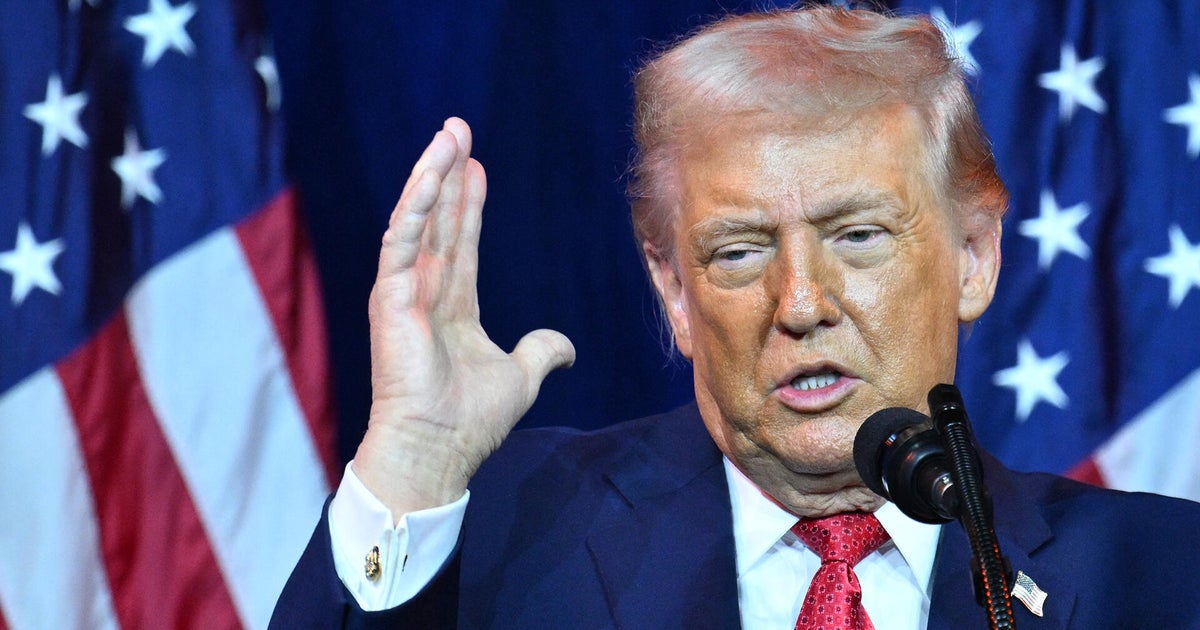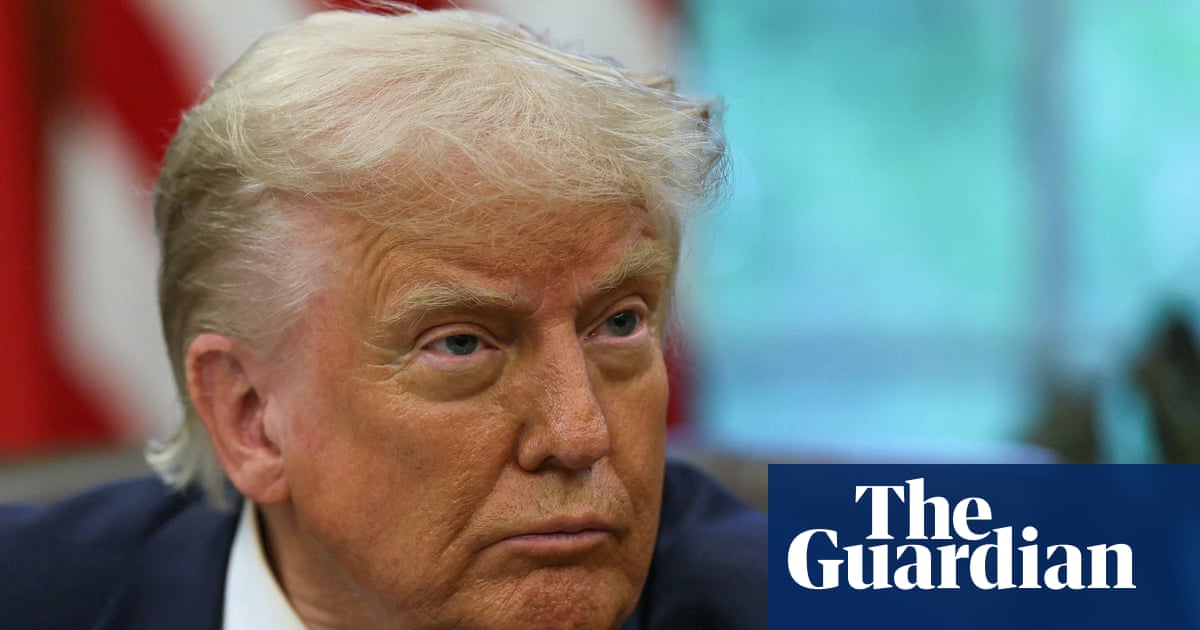





Trump is reported across both liberal and conservative outlets to have canceled a planned "second wave of attacks" or additional U.S. military strikes on Venezuela after Venezuelan authorities, described in conservative outlets as an interim government and in liberal coverage as cooperating officials in Caracas, began releasing political prisoners. All sides agree the announcement was made publicly by Trump, including via Truth Social, that the release of a significant number of political prisoners was framed by Trump as a key gesture toward peace, and that this decision marks a shift away from immediate further military action and toward diplomatic and economic engagement with Venezuela.
Liberal and conservative sources also converge on the context that previous U.S. military operations led to the capture of Nicolas Maduro, who has pleaded not guilty to drug trafficking charges, and that the current phase involves talks with Venezuelan authorities and regional leaders, including Colombia's president. They broadly agree that Venezuela’s oil and gas infrastructure is central to the next steps, noting Trump’s promotion of large-scale investment by major energy firms and cooperation on rebuilding the sector, alongside efforts to restore or normalize diplomatic missions and frame the prisoner release as part of a broader process of national unity and coexistence in Venezuela.
Areas of disagreement
Motives and framing of Trump’s decision. Liberal-aligned outlets tend to frame Trump’s cancellation of the second wave of attacks as a transactional move tied to oil interests and U.S. control over Venezuelan exports, highlighting his meetings with oil executives and references to "Big Oil" investing at least $100 billion. Conservative sources, by contrast, largely cast the decision as a statesmanlike response to positive developments by Venezuela’s interim authorities, emphasizing peace, de-escalation, and progress rather than economic opportunism. Liberal coverage is more likely to underscore power politics and leverage, while conservative coverage stresses prudence and effective pressure yielding constructive concessions.
Role of oil and economic control. Liberal reporting foregrounds Trump’s assertion that the U.S. will manage Venezuelan oil exports and investment, portraying the situation as a pivot from military intervention to economic dominance backed by corporate energy interests. Conservative outlets acknowledge cooperation on rebuilding oil and gas infrastructure but frame it as a mutually beneficial step to stabilize Venezuela and support its reconstruction, rather than as resource exploitation. This leads liberal sources to question who ultimately benefits from the shift, while conservatives highlight strategic partnership and market-based recovery.
Characterization of Venezuelan authorities and process. Liberal sources describe Venezuela’s side in more institutional and diplomatic terms, referencing the Venezuelan government’s confirmation of talks and efforts to restore diplomatic missions, and placing Colombia’s president’s comments about potential military operations within a broader regional power context. Conservative coverage instead leans into the language of an interim government making good-faith reforms, stressing the release of political prisoners as a genuine move toward national unity and coexistence. As a result, liberal coverage tends to see a complex, negotiated process involving multiple actors, while conservative coverage presents a clearer narrative of a reformist interim leadership responding to U.S. pressure.
Assessment of risks and prior use of force. Liberal-leaning outlets more explicitly connect the current decision to the earlier U.S. operation that captured Maduro, raising questions about the escalation trajectory and the implications of previously authorized force in the region. Conservative outlets mention prior actions mainly as background and move quickly to emphasize de-escalation and success in achieving policy aims without a new round of strikes. This yields a liberal emphasis on the risks of militarization and the precedent of regime-change-style interventions, versus a conservative emphasis on deterrence having worked and the prudence of stopping short of further attacks.
In summary, liberal coverage tends to portray the canceled second wave of attacks as a calculated trade-off blending military leverage, oil-sector control, and high-stakes diplomacy, while conservative coverage tends to depict it as a principled de-escalation rewarded by reforms from an interim Venezuelan leadership and meaningful steps toward peace.
Story coverage